
The price hike has hit the catering industry hard. The main supply centre for Kaima rice is the Bardhaman region of West Bengal.
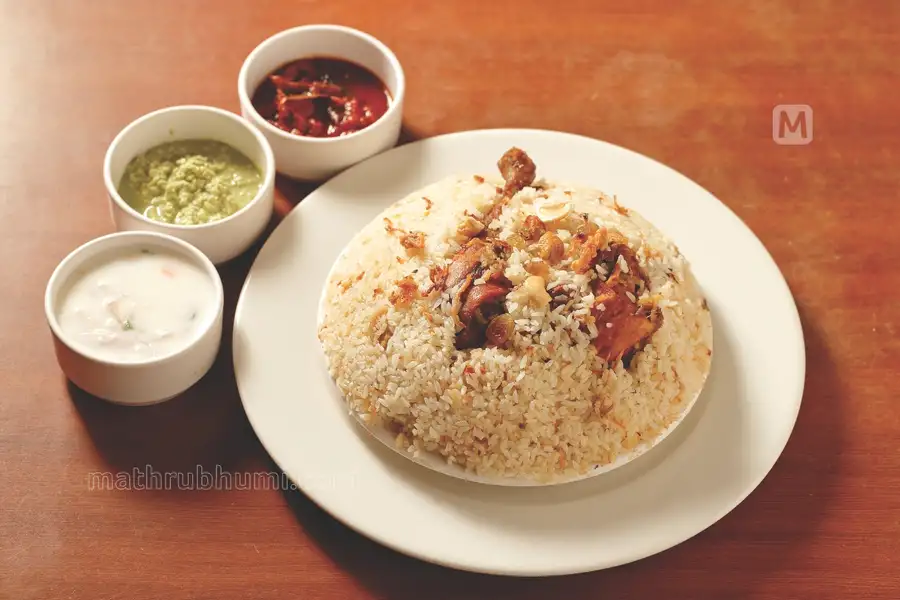
Malappuram: The price of Kaima rice, which adds flavour and aroma to biryani, has shot up sharply. A kilo of unbranded Kaima rice now costs Rs 195-200, while branded packets are priced at over Rs 215. The price has more than doubled in just a few months. Rates vary depending on the quality and brand. Until a few months ago, Kaima rice was available for less than Rs 100 a kg.
Kerala is estimated to consume around 1.75 lakh tonnes of Kaima rice annually. Based on this, the market for the rice is estimated to be worth around Rs 3,500 crore. Kaima rice is considered essential for preparing Malabar biryani. Its smaller grains and shorter cooking time make it different from other varieties of rice.
Its distinctive taste and aroma add to the flavour of biryani. Kaima rice is a must for biryani served at weddings and other celebrations.
The price hike has hit the catering industry hard. The main supply centre for Kaima rice is the Bardhaman region of West Bengal. A decline in production there, along with climate variations, is believed to be behind the price rise.
Kaima rice is particularly popular in areas from Kasaragod to Malappuram. It is also widely used in Palakkad, Thrissur and Ernakulam districts. South of Ernakulam, basmati rice is more commonly used to prepare biryani.
Price rise puts industry under pressure
The sharp increase in Kaima rice prices has created a crisis for the industry, said Manaf Anappadikkal, owner of Al Manar Enterprises, a wholesale distributor in the Malabar region. He said he had not purchased fresh stock for the past 11 months. Rice aged for two years has a better taste, he added.
Restaurants forced to sell biryani at a loss
Kaima rice has become prohibitively expensive, making it difficult for restaurants to increase biryani prices accordingly. Hotels and restaurants are now being forced to sell biryani at a loss to maintain its quality.
— G. Jayapal, State President, Kerala Hotel and Restaurant Association
Published: 15 Nov 2026, 11:40 am IST


Related Topics
Disclaimer: Kindly avoid objectionable, derogatory, unlawful and lewd comments, while responding to reports. Such comments are punishable under cyber laws. Please keep away from personal attacks. The opinions expressed here are the personal opinions of readers and not that of Mathrubhumi.
