
KSRTC launches a strict monthly fuel-efficiency test for drivers to combat rising fuel costs, but broken odometers and crew shortages threaten the plan.
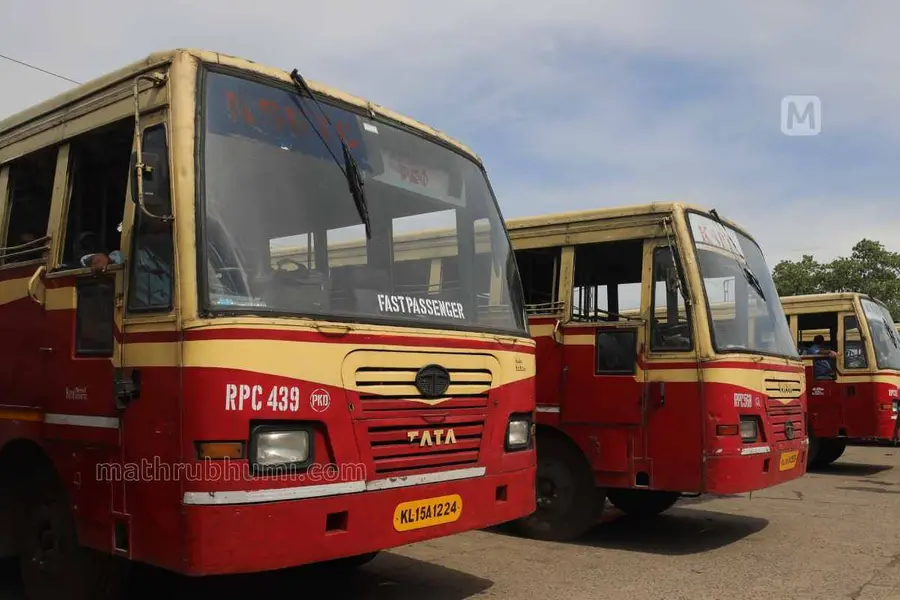
Kochi (Kerala): Struggling against the financial impact of the state's free-travel scheme for women and anticipating an imminent spike in fuel prices, the Kerala State Road Transport Corporation (KSRTC) has launched an aggressive fuel-efficiency drive. Under a new directive issued by the Managing Director, all operating units have been ordered to systematically audit vehicle mileage, reward highly efficient drivers, and send poor performers back to training school. However, inside sources warn the plan could trigger a severe staff shortage and face immediate technical hurdles due to dilapidated fleet conditions.
Monthly rewards and the "Wall of Shame"
According to the official executive order, every 5th day of every month. The evaluation will weigh fuel economy alongside safe, accident-free driving and overall ticket collection records.
- The top 3: The three best-performing drivers in each unit will have their names prominently displayed and will be publicly honoured by the corporation.
- The bottom 10: Conversely, the 10 drivers with the lowest recorded mileage scores will also see their names posted on a public list. These individuals will be pulled from active duty and sent for mandatory correctional training at the corporation's specialised instruction centres in Edappal and Thiruvananthapuram.
The mileage trials will apply universally across all service tiers, including Ordinary, Fast Passenger, Superfast and Air-Conditioned (AC) operations. Depots are required to log daily updates regarding driver selections, mileage improvements, fuel consumption and mechanical repairs straight to the central KSRTC Fuel Cell.
Staff shortages and technical roadblocks
While the policy aims to slash the corporation’s massive fuel bill, trade experts have pointed out massive systemic flaws. With 93 functional depots and sub-depots across Kerala, sending 10 low-performing drivers from each unit to training simultaneously means pulling 930 drivers off the road every single month. In an agency already plagued by crew shortages, this could lead to widespread service cancellations.
Furthermore, calculating accurate mileage across the KSRTC fleet is a mathematical nightmare.
- Broken equipment: A vast majority of the "Ordinary" local buses are currently operating without functional odometers or speedometers.
- Aging fleet: Dozens of buses that have passed their maximum 15-year service lifespan are still actively running on public roads under special government dispensations.
- Data guesswork: The official order remains silent on how to uniformly test these aging vehicles. At present, fuel efficiency is calculated by dividing the morning diesel volume by the distance travelled. For buses lacking an odometer, depot staff will be forced to rely on verbal driver estimates or Google Maps data.
- Refuelling chaos: Depots that do not possess their own internal diesel pumps frequently refuel mid-journey at separate regional units, making it nearly impossible to consistently track single-bus fuel data under the current administrative framework.
Published: 09 Jun 2026, 12:29 pm IST
Related Topics
Disclaimer: Kindly avoid objectionable, derogatory, unlawful and lewd comments, while responding to reports. Such comments are punishable under cyber laws. Please keep away from personal attacks. The opinions expressed here are the personal opinions of readers and not that of Mathrubhumi.
