
The child had initially sought treatment for fever in Chelari before being transferred to the Kozhikode Medical College Hospital.
Kozhikode: An 11-year-old girl from Chelari in Malappuram has been diagnosed with amoebic meningoencephalitis and is currently receiving treatment on a ventilator at Kozhikode Medical College Hospital. The infection was confirmed following a fluid examination conducted on Tuesday.
The child had initially sought treatment for fever in Chelari before being transferred to the medical college.
Also Read

With this latest case, the number of patients receiving treatment for amoebic meningoencephalitis at Kozhikode Medical College has risen to three. Previously, a three-month-old infant and a man in his 40s had also tested positive and continue to receive intensive care.
What is amoebic encephalitis?
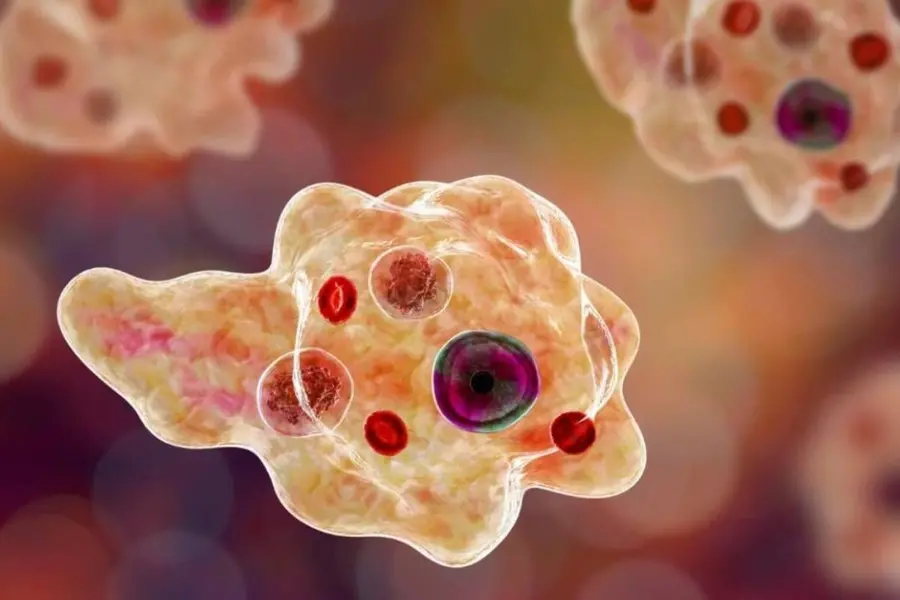
Amoebic encephalitis, or amoebic meningoencephalitis, is a very rare disease that affects one in 10,000 people. The disease occurs when the amoeba, a pathogen of the ''Naegleria fowleri'' genus, affects the brain. It is not transmitted from person to person.
The amoeba, which lives in stagnant water, enters the human body through the thin skin of the nose and causes encephalitis, seriously affecting the brain. Amoebae, which live freely in water, are generally found in stagnant water bodies. By bathing in a stream or pool, these pathogens enter the human body through the thin skin of the nose and seriously affect the brain, causing encephalitis.
Symptoms
Symptoms appear within one to 9 days of infection. Initial signs include severe headache, fever, nausea, vomiting, and difficulty turning the neck. Later, as the condition worsens, symptoms such as epilepsy, fainting, and memory loss may occur. Diagnosis is made by taking a spinal fluid sample and examining it.
Prevention
The amoeba enters the body through bathing in stagnant or unclean water, or by rinsing the nose. To prevent the disease, avoid bathing in stagnant water or streams and avoid rinsing the nose with untreated water.
If you notice any symptoms, do not ignore them and see a doctor as soon as possible. Children can safely bathe in properly chlorinated swimming pools.
Published: 20 Aug 2025, 01:12 pm IST
Disclaimer: Kindly avoid objectionable, derogatory, unlawful and lewd comments, while responding to reports. Such comments are punishable under cyber laws. Please keep away from personal attacks. The opinions expressed here are the personal opinions of readers and not that of Mathrubhumi.