
Kochi Metro faces a potential fleet crunch for its upcoming Kakkanad expansion, as only three of the required eight new trains have received financial clearance so far.
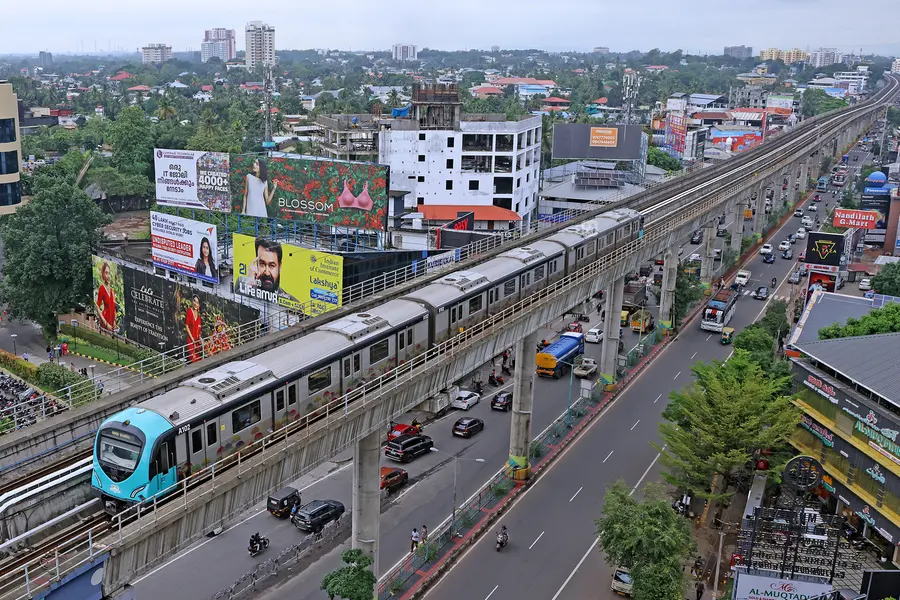
Kochi: Upon full completion of its Phase 2 expansion to Kakkanad, Kochi Metro will require eight new train sets to ensure smooth operations. However, approval has currently been granted to purchase only three trains. This limited fleet will be insufficient to maintain peak-hour service frequencies of six to seven minutes.
The metro line connecting Jawaharlal Nehru Stadium in Kaloor to Kakkanad is expected to become operational next year. While the limited number of trains may not pose an immediate issue at launch, additional rolling stock will become essential as passenger numbers grow. Securing the necessary funding to purchase these extra trains remains the primary challenge.
Kochi Metro currently operates a fleet of 25 trains, 16 of which serve the existing Aluva-Thrippunithura corridor. The remaining trains will be deployed on the Phase 2 route. Nevertheless, an additional eight trains are required to manage maintenance schedules and prevent operational disruptions. Without these extra trains, service intervals will have to be increased, making it difficult to handle peak passenger demand.
Funding the three newly approved trains presents no immediate financial obstacle. However, with each train costing approximately ₹60 crore, procuring the full requirement will demand an investment of nearly ₹300 crore. This cost must be borne by the Kerala State Government, as the Central Government does not directly fund rolling stock purchases -though it has done so as a special case for certain other states, a model stakeholders are urging Kerala to pursue.
Approval to purchase the remaining five trains rests with the Kochi Metro Board of Directors. Although the board has discussed the matter twice, no decision has been finalised. Project officials indicated that the proposal will be re-examined at the next board meeting, after which it will be submitted to the state government for formal review.
Loan financing for Phase 2 is being provided by the Asian Infrastructure Investment Bank (AIIB), which could potentially cover the train procurement costs. However, securing this funding requires explicit authorization from both the Central and State Governments. While the first-phase trains were supplied by Alstom, metro authorities are currently in discussions with other manufacturers.
Officials emphasised the urgency of the matter, noting that manufacturing and delivering new trains takes at least two years.
Published: 04 Sept 2026, 08:35 am IST
Related Topics
Disclaimer: Kindly avoid objectionable, derogatory, unlawful and lewd comments, while responding to reports. Such comments are punishable under cyber laws. Please keep away from personal attacks. The opinions expressed here are the personal opinions of readers and not that of Mathrubhumi.
