
Having successfully established metro rail and water metro systems in Kochi, KMRL (Kochi Metro Rail Limited) is now preparing to replicate this model in Thiruvananthapuram and Kozhikode.
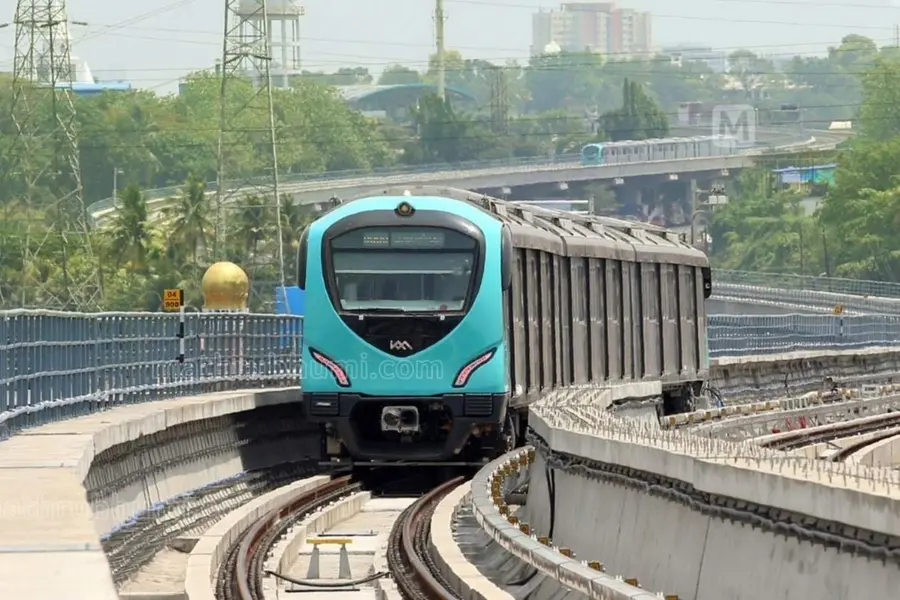
Kochi: Kochi Metro has entered its eighth year of operations, evolving from a city transport service provider to a strong brand in infrastructure development, both within Kerala and at the national level. Having successfully established metro rail and water metro systems in Kochi, KMRL (Kochi Metro Rail Limited) is now preparing to replicate this model in Thiruvananthapuram and Kozhikode. A feasibility study is also underway to explore the possibility of launching water metro services in 21 other locations across the country. What began in Kerala is today a recognised national brand in sustainable urban mobility.
KMRL has also expanded its city service by introducing 15 buses owned by the agency, connecting key points across Kochi. With the launch of e-feeder buses from Vyttila and Tripunithura to Infopark, metro circular journeys are becoming more feasible. A feasibility study for an elevated tram service from the High Court to Thevara is also in the works. As part of the second phase of development, metro construction is progressing along the Palarivattom–Kakkanad Infopark route. Preparatory work has also begun for drafting a detailed project report for the proposed third phase between Aluva and Angamaly.
Over 1 lakh daily commuters
On all working days, over 1 lakh passengers travel on the Kochi Metro. Last year, the total passenger count was 3.5 crore, and this year, the expectation is to cross 3.65 crore. In 2017–18, the year services began, the annual ridership was 1,00,71,036. By 2022–23, that number rose to 2,48,81,600.
Sharp rise in operational profit
Kochi Metro is among the top Indian metro companies to achieve operational profit within a short span of time. In the financial year 2023–24, it recorded an operational profit of ₹22.5 crore. Officials estimate that this figure will be even higher in 2024–25. Kochi Metro is also setting a new benchmark in the country by developing non-ticket revenue streams such as fuel stations.
Just two reels away
Young commuters make up a relevant portion of Kochi Metro’s ridership. World-class stations, clean and hygienic premises, air-conditioned trains, punctual service and affordable fares are key factors drawing youth to the metro. It’s said that within the time it takes to watch two Instagram reels or listen to two songs, passengers can reach their destination—underscoring the metro’s speed and convenience.
Published: 17 Jun 2025, 11:08 am IST
Related Topics
Disclaimer: Kindly avoid objectionable, derogatory, unlawful and lewd comments, while responding to reports. Such comments are punishable under cyber laws. Please keep away from personal attacks. The opinions expressed here are the personal opinions of readers and not that of Mathrubhumi.
