
The push is closely linked to changing requirements in international seafood markets.
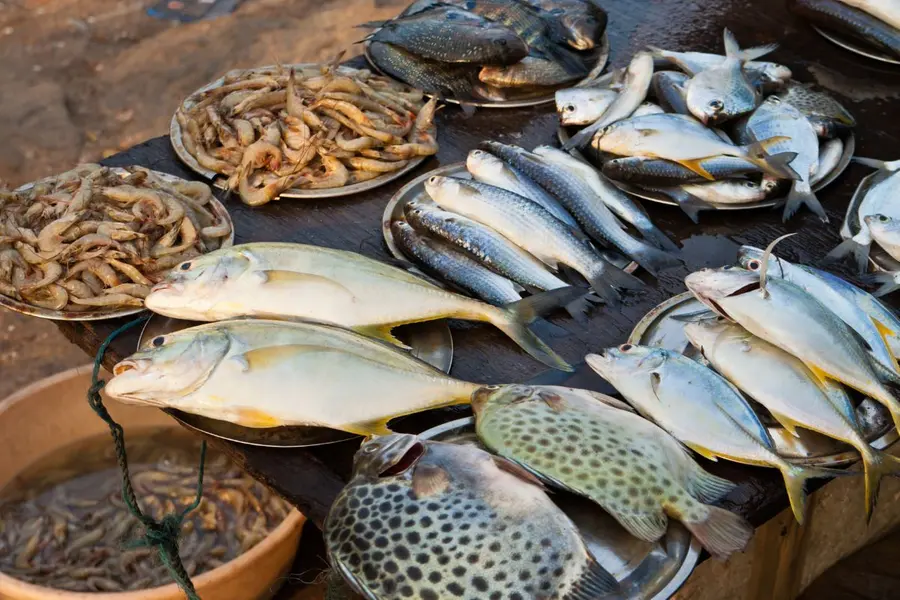
Kerala’s seafood sector is moving towards stricter, science-based fishing practices and digital tracking, with the aim of protecting marine resources while strengthening the state’s position in global seafood markets.
A draft state fisheries management plan, a digital traceability framework and measures to promote sustainable fishing were unveiled at an annual stakeholder consultation hosted by the Seafood Exporters Association of India (SEAI) at Willingdon Island on Saturday. Government officials, marine scientists, seafood exporters and sustainability organisations attended the meeting.
Also Read

The initiatives are expected to have implications not only for seafood exporters but also for fishing practices, vessel operations and the way fish and shrimp are tracked from landing centres to processing plants.
What is the new fisheries management plan?
The Draft Kerala State Fisheries Management Plan, prepared by scientists at the ICAR-Central Marine Fisheries Research Institute (CMFRI), seeks to bring greater scientific control to fishing activity.
According to SEAI, the plan proposes science-based harvest control rules and gear restrictions. The measures are intended to prevent juvenile overfishing and improve the long-term productivity of marine resources.
In simple terms, the plan aims to ensure that fishing does not reduce fish stocks to levels that could threaten future catches. Restrictions on fishing gear and controls on harvesting could therefore become an important part of managing Kerala’s marine resources.
The draft plan will now be submitted to the Kerala government for final policy endorsement.
Why does sustainability matter to Kerala’s seafood exports?
The push is closely linked to changing requirements in international seafood markets.
SEAI said stakeholders had agreed on a roadmap to seek Marine Stewardship Council (MSC) certification for Kerala’s key shrimp and cephalopod fisheries.
MSC certification is intended to demonstrate that seafood comes from fisheries following recognised sustainability standards. For exporters, such certification can help meet the requirements of international retailers that increasingly demand evidence of responsible fishing.
SEAI CEO K N Raghavan said international retailers were increasingly demanding certified sustainable seafood.
"International retailers are increasingly demanding certified sustainable seafood. This unified framework ensures that Keralam seafood remains highly competitive, fully compliant, and recognised globally for responsible practices," he said.
For Kerala, the broader objective is to make its seafood more competitive in markets where sustainability and traceability are becoming increasingly important purchasing considerations.
What will digital tracking change?
One of the key changes will be greater digital traceability in the seafood supply chain.
The Marine Products Export Development Authority (MPEDA) announced that mandatory online registration for local fish dealers and aggregators would be introduced next month, according to the SEAI statement.
The system is expected to create a digital audit trail linking coastal landing centres with seafood processing plants.
That means more information about seafood moving through the supply chain can be recorded digitally. Such traceability can help establish where seafood came from and how it moved through the supply chain before reaching a processing facility.
The Kerala Fisheries Department is also deploying digital trawl-footprint tracking and a mobile enforcement application.
Together, these measures are intended to strengthen monitoring and enforcement of fishing activity.
What changes are proposed for fishing gear?
The sustainability measures will also affect fishing gear.
SEAI said square-mesh codends would be made mandatory to protect juvenile fish stocks. The design allows smaller fish to escape from trawl nets, reducing the capture of young fish before they reach breeding age.
Research presented by the ICAR-Central Institute of Fisheries Technology (ICAR-CIFT), with support from the MSC Ocean Stewardship Fund, also highlighted modified trawl gear.
According to SEAI, the innovations could help the deep-sea fleet reduce fuel consumption, carbon emissions and non-target bycatch.
The focus, therefore, is not only on how much is caught but also on how fishing is carried out and what unintended impact it has on marine ecosystems.
Why are Turtle Excluder Devices important?
Another priority identified at the consultation was faster adoption of Turtle Excluder Devices (TEDs).
TEDs are designed to allow marine turtles to escape from trawl nets while retaining the targeted catch. Their wider adoption is being sought to bring Kerala’s fishing fleet closer to international benchmarks.
SEAI said this would also help facilitate full access to the US market for wild-caught shrimp.
For Kerala’s shrimp sector, this makes the adoption of such equipment more than an environmental measure. It could also affect the ability of exporters to meet market requirements and maintain access to an important overseas market.
What support will fishermen and vessels get?
The transition to more sustainable fishing practices could involve additional costs, particularly for vessel upgrades, certification and awareness programmes.
SEAI said corporate social responsibility (CSR) funds from public sector enterprises such as Cochin Shipyard, along with support under the Pradhan Mantri Matsya Sampada Yojana (PMMSY), would be mobilised for these purposes.
The proposed support will cover vessel upgrades, certification costs and community outreach.
This is significant because sustainability measures will require participation across the fishing and seafood supply chain, rather than being limited to exporters or government agencies.
What happens next?
The draft fisheries management plan is now set to move towards government consideration.
At the same time, a multi-agency scientific data-sharing agreement and coastal capacity-building programmes are scheduled to be launched next month, according to SEAI.
The proposed system brings together several strands — scientific assessment of fish stocks, fishing regulations, digital monitoring, traceability, improved gear and international certification.
The stated goal is to balance two priorities: protecting Kerala’s marine resources for the future while ensuring that its seafood can continue to compete in demanding global markets.
Published: 22 Aug 2026, 10:10 pm IST
Related Topics
Disclaimer: Kindly avoid objectionable, derogatory, unlawful and lewd comments, while responding to reports. Such comments are punishable under cyber laws. Please keep away from personal attacks. The opinions expressed here are the personal opinions of readers and not that of Mathrubhumi.