
Kerala reports new amoebic encephalitis case, patient on ventilator in Thrissur Medical College.
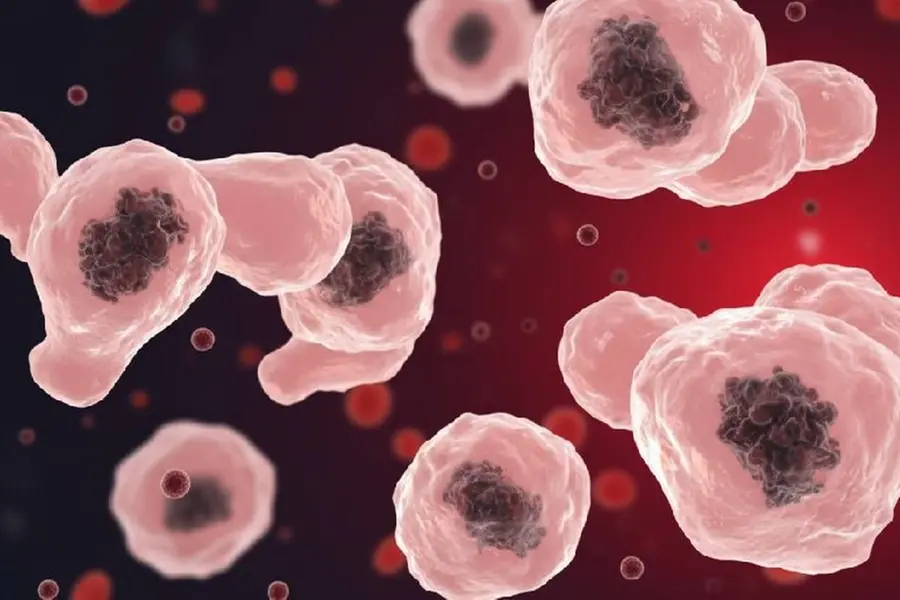
Palakkad, Kerala: A fresh case of amoebic encephalitis (brain fever) has been confirmed in a 62-year-old man from Kodumbu here on Sunday. The patient was admitted to the hospital last Sunday after suffering a high fever. When seizure-like symptoms appeared, samples were sent for testing, confirming amoebic brain fever. He has been transferred to Thrissur Medical College for specialised care and is currently on a ventilator.
State Health Minister Veena George stated earlier in the day that Kerala has recorded a total of 104 amoebic encephalitis cases, resulting in 23 deaths. This fresh case marks the latest addition to the ongoing public health concern.
Kerala is battling the rare and often fatal brain infection caused by the “brain-eating amoeba” Naegleria fowleri. Kollam and Thiruvananthapuram districts have been most affected, while cases are also rising in Kozhikode and Malappuram.
“Following the Nipah outbreak in Kozhikode in 2023, it was decided and directed that all cases of encephalitis (brain fever) must be mandatorily reported and that the causes behind such cases should be identified. As a result, from 2024 onwards, encephalitis cases began to be officially reported, and some of them were found to be amoebic encephalitis,” George said in a post on Facebook.
Early detection helps reduce fatalities
In 2024, the Health Department issued general and technical guidelines for diagnosing and treating the disease. George highlighted that globally, the fatality rate for Naegleria fowleri infection is 98 per cent, while for Acanthamoeba-related cases it exceeds 70 per cent. “Despite such high global mortality rates, Kerala has managed to significantly reduce the death rate by detecting and treating the disease at an early stage,” she said.
Preventive measures underway
An action plan based on the One Health approach was prepared and implemented in 2025 to prevent amoebic encephalitis.
“Based on the decisions taken at a joint meeting chaired by Chief Minister Pinarayi Vijayan, various departments are working together to ensure scientific chlorination and other preventive measures are carried out continuously across the state,” the minister said.
Published: 12 Oct 2025, 09:18 pm IST
Disclaimer: Kindly avoid objectionable, derogatory, unlawful and lewd comments, while responding to reports. Such comments are punishable under cyber laws. Please keep away from personal attacks. The opinions expressed here are the personal opinions of readers and not that of Mathrubhumi.
