
The Ernakulam–Shoranur section, Kerala’s busiest rail corridor, is set for a transformative upgrade. Indian Railways will implement automatic signalling and the Kavach safety system to increase speed, enhance safety, and run more trains with greater efficiency
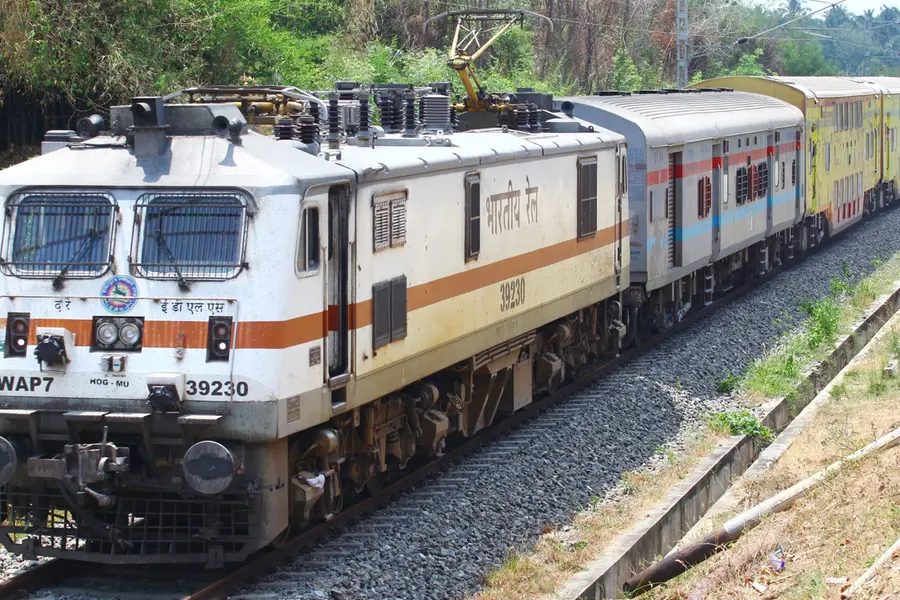
Thrissur: The Indian Railways is set to modernise the Ernakulam Junction–Shoranur section, the busiest and most curved railway stretch in Kerala. Following the implementation of automatic signalling, the introduction of the Kavach system will allow more trains to operate at higher speeds while maintaining safety standards.
A detailed project report for the proposed third line between Ernakulam and Shoranur, estimated to cost Rs 12,000 crore, has been finalised. The project will gain momentum with the award of a contract to K-Rail for the installation of both the automatic block signalling system and Kavach.
This section will be the first in the state to be equipped with an Automatic Block Signalling System (ABS), and installation work is already underway. Kavach, India’s indigenous Train Collision Avoidance System (TCAS), will be activated once the ABS is fully operational.
Using sensors and GPS-based communication, Kavach can detect potential collisions and automatically halt the trains to prevent accidents.
The contract has been awarded to a joint venture between K-Rail and SS Rail. The project is valued at Rs 105.87 crore and is expected to be completed within 18 months. As part of the system setup, optical fibre cables and towers will be installed along the track.
Kavach uses a combination of GPS and radio technologies to alert loco pilots of signal statuses. If a red signal is mistakenly passed, the system will automatically apply emergency brakes to stop the train. It also provides warnings for speed violations, track obstructions, and attempts to pass danger signals. The system involves the installation of equipment under the trains and between the rails.
The introduction of ABS will significantly enhance the line’s capacity, up to three times the current level. Train intervals will be shorter, enabling more services to operate. Signal posts are now being installed at intervals of 1 to 1.5 kilometres to support the new signalling system.
Under the existing system, a train can only proceed after the preceding train has cleared the next station, typically about 7 kilometres away. With automatic signalling, up to three trains can run safely within the same distance.
Published: 19 Jul 2025, 09:21 am IST
Disclaimer: Kindly avoid objectionable, derogatory, unlawful and lewd comments, while responding to reports. Such comments are punishable under cyber laws. Please keep away from personal attacks. The opinions expressed here are the personal opinions of readers and not that of Mathrubhumi.
