
While the LDF banks on welfare schemes, the UDF eyes anti-incumbency, and the BJP hopes for urban breakthroughs in this high-stakes grassroots battle.
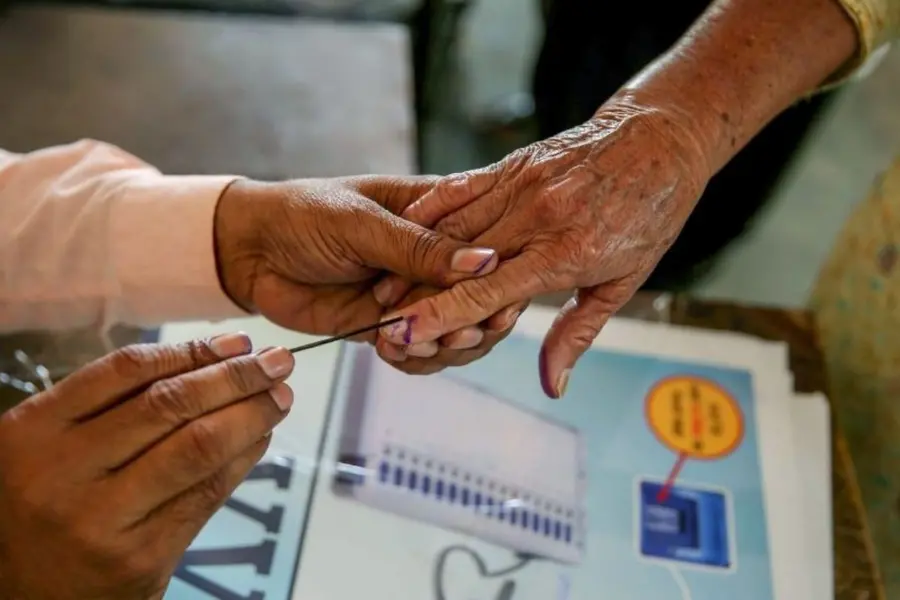
Kozhikode: The State Election Commission on Monday announced that the Kerala local body elections 2025 will be held in two phases, on December 9 and December 11, with counting of votes scheduled for December 13.
With the polls around the corner, Mathrubhumi takes a look at the major issues at the ward level, primary contenders, expected results and what’s next for the state.
Key issues at the ward level
Among the many themes bubbling beneath the surface, three stand out as decisive: basic civic services, welfare measures, and electoral transparency.
On the civic front, voters across gram panchayats, municipalities, and municipal corporations repeatedly cite drainage failures, recurring flooding, inadequate solid-waste disposal, and water-supply disruptions as top concerns. These are not abstract issues: they are neighbourhood liabilities that reflect immediate local-body performance.
At the same time, the state government’s announcement of sweeping welfare measures ahead of polling has injected high-stakes economic promise into the campaign.
Among them: a significant hike in monthly welfare pensions from ₹1,600 to ₹2,000, a new “Women’s Safety Pension” for millions of women aged 35-60, and monthly skill-support scholarships for youth.
Voters will observe closely whether local-body incumbents are able to deliver these promised benefits — or whether the opposition can turn delivery failures into electoral gain.
Electoral roll revision and polling-arrangement concerns are also in the spotlight. A petition in the Kerala High Court alleges that thousands of eligible voters were omitted from the final list released for these elections.
Separately, most parties — both the ruling Left Democratic Front and the main opposition United Democratic Front — jointly passed a resolution opposing the Election Commission of India’s proposed Special Intensive Revision (SIR) of the electoral rolls ahead of the polls. The transparency and fairness of the process is feeding voter unease.
Main contenders:
The political battle remains anchored by the traditional alliances, but with important shifts underway.
The Left Democratic Front (LDF) retains a strong organisational base in rural panchayats and has the benefit of incumbency in many wards.
The United Democratic Front (UDF) is positioning itself as the alternative in urban and semi-urban constituencies where service deficits (for example drainage and waste management) are acutely felt.
The Bharatiya Janata Party (BJP), contesting under the National Democratic Alliance (NDA) banner, is making a determined push to build urban-ward presence — for example, it has fielded senior leaders such as former DGP R. Sreelekha and sports-medallist Padmini Thomas in its first phase of candidate announcements in the capital region.
What results are expected?
Analysts believe the contest will be tightly contested, but give the incumbent LDF a modest edge — especially in rural wards where welfare-scheme roll-out and local structures favour the front.
In urban wards — municipalities and city corporations — the opposition has scope to make inroads on performance issues where drainage, roads, water, and waste management have been visibly weak.
Meanwhile, the BJP’s main strategic challenge remains converting improved vote shares into actual seat wins at the ward level.
Given the heterogeneity of Kerala’s 1,200+ local-body wards, the outcome is too fragmented to produce a “wave” for any single front — instead, incremental shifts in contested wards, especially in swing districts or municipalities, will signal which way the political wind is blowing ahead of state and national elections.
What to watch next:
The coming weeks are critical. The SEC’s final announcement of poll dates and release of ward-wise reserved-seat lists (scheduled between October 13–21) mark the formal countdown.
Model-Code-of-Conduct will kick in, limiting welfare announcements, while candidate lists and local alliances will begin to crystallise. How each front positions itself on the delivery of services, implementation of welfare promises, and integrity of the electoral roll will influence both turnout and margins.
In essence, though the electoral war-cry may be loud, this fight is being decided in clogged drains, delayed pensions, and the credibility of local governance. Voters in Kerala know that in local-body polls, the “small” issues are very large.
Published: 10 Nov 2025, 11:47 am IST
Disclaimer: Kindly avoid objectionable, derogatory, unlawful and lewd comments, while responding to reports. Such comments are punishable under cyber laws. Please keep away from personal attacks. The opinions expressed here are the personal opinions of readers and not that of Mathrubhumi.
