
The RRTS is planned to be integrated with the existing Kochi Metro and the proposed metro projects in Thiruvananthapuram and Kozhikode.
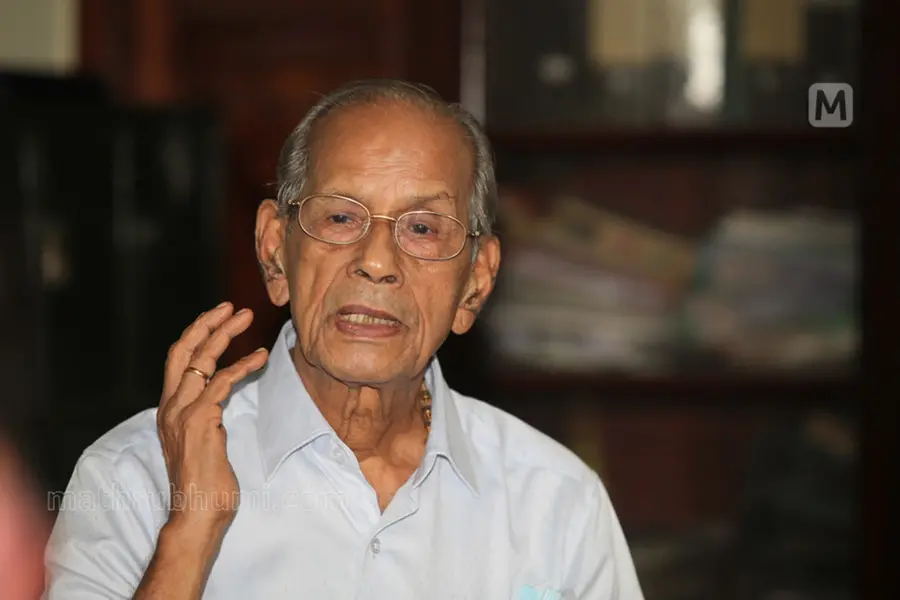
Thiruvananthapuram, Kerala: “Metro Man” E Sreedharan, on Friday, criticised the Kerala government’s newly proposed Regional Rapid Transit System (RRTS) project, alleging that it was an attempt to undermine the high-speed rail corridor proposed by him.
Sreedharan said the RRTS is not an approved railway system and cannot be implemented under the Railway Act, pointing out that the concept is meant exclusively for metropolitan regions.
“Regional rail caters to passenger services within a larger urban agglomerate or metropolitan area, connecting the outskirts to the city centre. Such services have a greater number of halts at shorter distances. RRTS systems are common in large metropolitan cities and help decongest city centres by providing safe and speedy access. In short, it is nothing but a Mass Rapid Transit System (MRTS),” said a statement issued by him on the letterhead of the Delhi Metro Rail Corporation (DMRC) office in Ponnani. The statement also noted that the RRTS was introduced by the Government of India for the first time under the New Metro Rail Policy of 2017.
Earlier, Sreedharan had opened an office in Ponnani, claiming that he had been asked by the Union Railway Minister to prepare a detailed project report (DPR) for a high-speed rail corridor in Kerala. It was in this context that the state government came forward with the RRTS proposal as an alternative to the SilverLine project, which subsequently received cabinet approval. The transport department later issued an order formalising the decision.
The proposed RRTS project is planned along a 583-km stretch from Thiruvananthapuram to Kasaragod and is expected to be completed over 12 years in four phases. The first phase, the 284-km Thiruvananthapuram–Thrissur (Travancore line), has already received approval. Construction of this phase is slated to begin in 2027 and be completed by 2033.
The total cost of the project has been estimated at ₹1.92 lakh crore.
According to the state government, the project aims to reduce travel time, improve regional connectivity and enhance employment and educational opportunities, taking into account Kerala’s unique geography and high population density.
The government has said it opted for the RRTS after the SilverLine project faced technical objections from Indian Railways and public protests in several areas. To minimise land acquisition and environmental impact, most of the corridor is proposed to be built as elevated tracks using a viaduct model.
The RRTS is planned to be integrated with the existing Kochi Metro and the proposed metro projects in Thiruvananthapuram and Kozhikode. Funding is proposed on the lines of the Delhi–Meerut RRTS model, with 20 per cent each from the state and central governments, and the remaining 60 per cent through long-term loans from international financial institutions.
Published: 06 Feb 2026, 09:20 pm IST
Related Topics
Disclaimer: Kindly avoid objectionable, derogatory, unlawful and lewd comments, while responding to reports. Such comments are punishable under cyber laws. Please keep away from personal attacks. The opinions expressed here are the personal opinions of readers and not that of Mathrubhumi.
