
Ammini's social media post came days after the Kerala government and the Travancore Devaswom Board (TDB) announced preparations to host the first-ever Global Ayyappa Sangamam in the third week of September at Pampa.
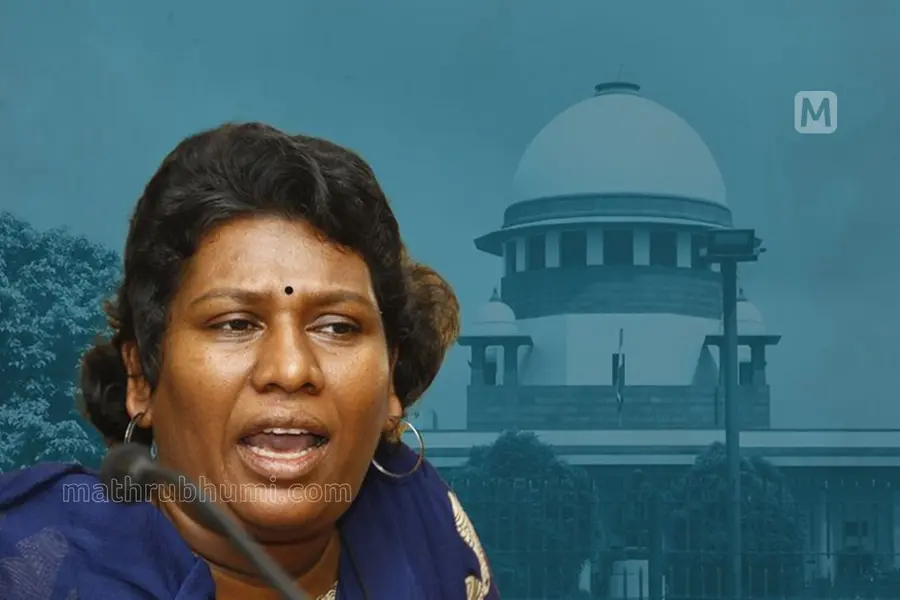
Dalit activist and academic Bindhu Ammini on Saturday shared a news card about the upcoming Global Ayyappa Sangamam in Kerala on her official social media page. Her caption in Malayalam roughly translated to, “I too, as an Ayyappa devotee, will attend. Will you?”
Known as one of the first two women to enter the Sabarimala shrine after the Supreme Court’s 2018 verdict allowed women of menstruating age to worship there, her message has special relevance and left many wondering whether she genuinely intends to participate in the event or was making a different point.
Bindhu Ammini’s post has drawn comments, with many users mocking or criticising her. It may be noted that Ammini was subjected to repeated attacks, apparently due to her attempts and successes in entering the Sabarimala temple.
Government plans a grand spiritual gathering
Ammini's post came days after the Kerala government and the Travancore Devaswom Board (TDB) announced preparations to host the first-ever Global Ayyappa Sangamam in the third week of September at Pampa. The event marks the TDB’s 75th anniversary and aims to present Sabarimala as a global pilgrimage centre.
Around 3,000 delegates are expected to attend. Although the exact date is yet to be confirmed, the gathering is planned between September 16 and 21. Delegates will be able to offer prayers at the temple before taking part in discussions on improving facilities for pilgrims.
Minister for Devaswoms V.N. Vasavan has pledged to enhance infrastructure at Sabarimala. The conclave will allow participants to share their experiences and suggestions. A reception committee will be formed with the Chief Minister as chief patron, ministers as patrons, and officials and community leaders as members. Preparations were reviewed at a meeting attended by ministers, MLAs and senior government officials.
A history of controversy
The Sabarimala issue has long been sensitive. For centuries, women aged 10 to 50 were barred from entering the temple. In 2018, the Supreme Court ruled the restriction unconstitutional, sparking protests from devotees who saw the decision as interference in their faith. Implementation was met with resistance, and the Kerala government struggled to ensure women’s safe entry amid demonstrations, some of them violent.
In 2019, the court referred the matter to a larger bench for review. While the final decision is still pending, the 2018 verdict remains in effect.
Published: 10 Aug 2025, 07:39 am IST
Related Topics
Disclaimer: Kindly avoid objectionable, derogatory, unlawful and lewd comments, while responding to reports. Such comments are punishable under cyber laws. Please keep away from personal attacks. The opinions expressed here are the personal opinions of readers and not that of Mathrubhumi.
