
Rajendra Arlekar sent the recommendation to the President roughly a week before his tenure as Kerala Governor ended.
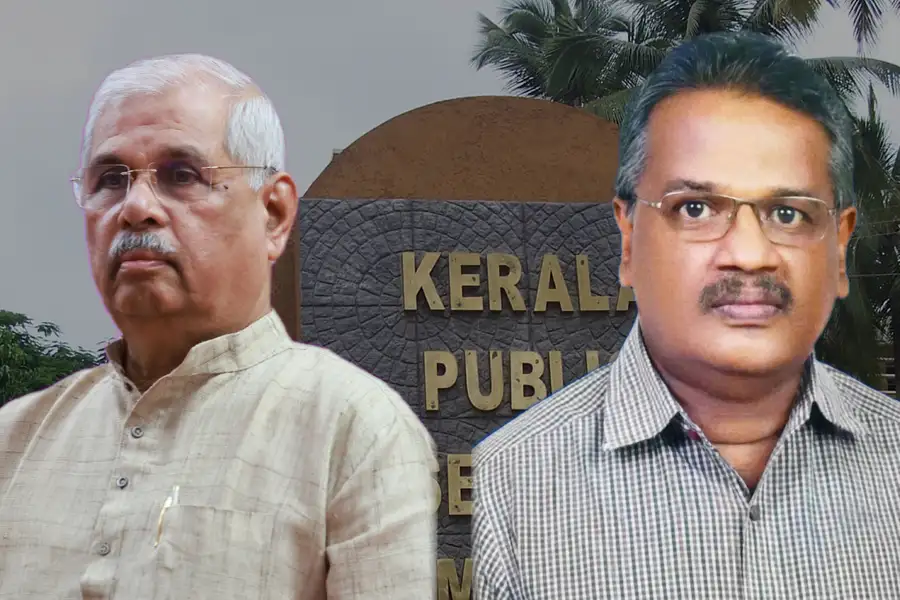
Thiruvananthapuram: Former Kerala Governor Rajendra Vishwanath Arlekar has recommended the removal of Kerala Public Service Commission (PSC) chairman Dr M.R. Baiju, citing allegations of irregularities against the recruitment body. The recommendation was submitted to President Droupadi Murmu about a week before Arlekar left office as Kerala Governor.
The move, which is being considered as rare and unprecedented in the state’s history, followed complaints against the commission, including those filed by the BJP’s youth wing, Yuva Morcha, and the Akhil Bharatiya Vidyarthi Parishad (ABVP).
Arlekar reportedly sought a report from the PSC’s internal vigilance wing after receiving the complaints. He also examined the police investigation report into the allegations before sending a letter to the President detailing the grounds for recommending Baiju’s removal.
The development comes amid a Crime Branch investigation into alleged irregularities in the PSC examination for the post of chief of the State Planning Board. The probe was later expanded to cover alleged irregularities in other PSC examinations as well.
The state government had ordered the Crime Branch investigation into the allegations. The Kerala High Court recently criticised the government over what it described as a lacklustre investigation into the case.
Arlekar also referred the matter to the Supreme Court, according to Lok Bhavan sources. He was relieved of his duties as Kerala Governor on October 23 after being transferred to Tamil Nadu. Om Prakash Mathur has since succeeded him.
What the Constitution says
The Kerala PSC is an independent constitutional body responsible for recruitment to government services in the state. Its chairman and members are appointed for a six-year term.
The Governor cannot directly dismiss the PSC chairman or its members. Under the constitutional process, the President can refer a removal matter to the Supreme Court for an inquiry. If an inquiry is initiated, the Governor can suspend the chairman or members concerned while the proceedings are pending.
The President can order their removal after the Supreme Court completes the inquiry and reports grounds warranting such action. The recommendation, therefore, does not by itself remove the chairman or members from office.
Published: 25 Oct 2026, 11:33 am IST


Related Topics
Disclaimer: Kindly avoid objectionable, derogatory, unlawful and lewd comments, while responding to reports. Such comments are punishable under cyber laws. Please keep away from personal attacks. The opinions expressed here are the personal opinions of readers and not that of Mathrubhumi.
