
Farmers are required to present their Aadhaar card and verify their fingerprint—similar to ration shop procedures—to purchase fertilisers.
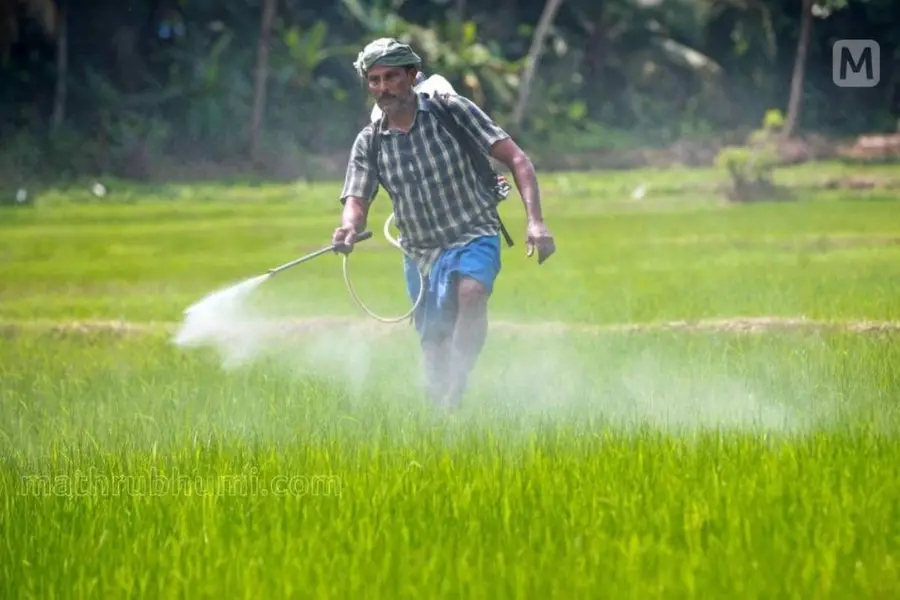
Kalpetta: Farmers are struggling to source chemical fertilisers during the crucial application period for crops such as coffee, paddy, pepper and banana. For the past three months, the market has been facing a severe shortage of fertilisers, with prices of most varieties rising by ₹250 to ₹300.
Despite the urgency of the season, farmers are prepared to pay the increased rates—but are met with scarcity. Fertilisers such as urea, potash, ammonia, DAP (Di-Ammonium Phosphate) and compound blends like 16:16:16, 10:26:26, and 15:15:15 are all in short supply.
According to traders, the shortage and price hike are caused by limited availability of raw materials required for fertiliser production. The price of 10:26:26 fertiliser, which previously cost ₹1,450, has surged to ₹1,850. Potash, once available at ₹1,500 per kilo, now sells for ₹1,800. Similar price increases are seen across other fertiliser types. In addition to the price hike, traders are burdened by the lack of transport support from fertiliser companies to deliver stock to local depots. Although companies were expected to supply fertilisers directly to depots in each taluk, they are now offloading stock at Kozhikode railway station, leaving traders responsible for onward transport.
Traders also complain of pressure from companies to sell non-subsidised combination fertilisers alongside subsidised varieties. Farmers, meanwhile, are required to present their Aadhaar card and verify their fingerprint—similar to ration shop procedures—to purchase fertilisers. However, there is no cap on the quantity they can buy.
M Surendran, a farmer and district president of Haritha Sena, stated that farmers have been facing fertiliser shortages for the past month. Typically, coffee and paddy cultivation require up to 150 kg of fertiliser per acre. The price hike has remarkably increased overall farming costs. With erratic weather already affecting agriculture, the lack of fertiliser and rising costs are adding further strain on farmers.
Agriculture department officials clarified that the quantity of fertiliser allocated to Wayanad district was based on previous years’ demand. However, they believe that last year’s high prices for coffee and the expectation of similar returns this season have prompted farmers to invest more in cultivation, thereby increasing market demand for fertilisers. Officials assured that there is no crisis-level shortage and that new stock will arrive within the next few days.
Published: 20 Sept 2025, 08:45 pm IST
Related Topics
Disclaimer: Kindly avoid objectionable, derogatory, unlawful and lewd comments, while responding to reports. Such comments are punishable under cyber laws. Please keep away from personal attacks. The opinions expressed here are the personal opinions of readers and not that of Mathrubhumi.
