
Kerala Government mandates a minimum of four years of service for ministers' personal staff to qualify for lifelong pensions.
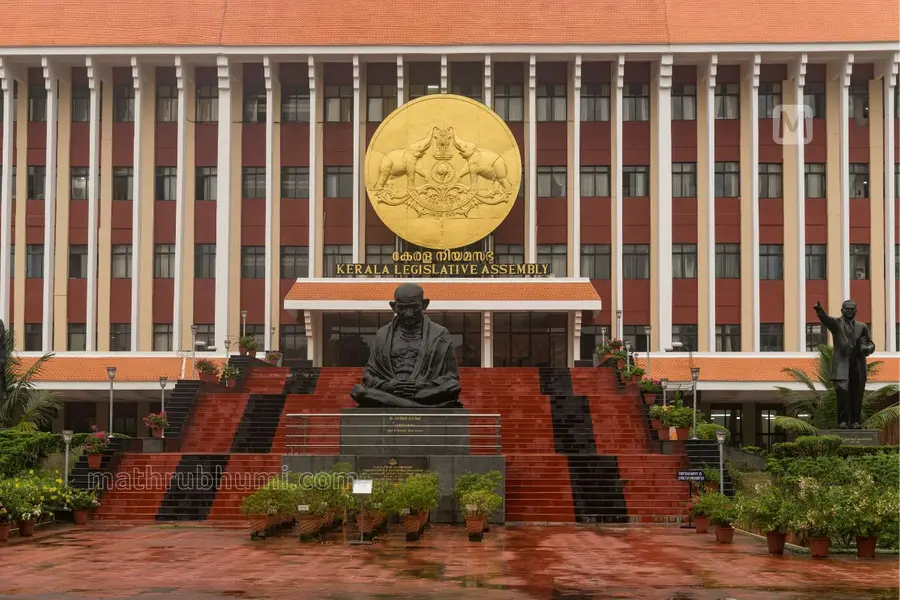
Thiruvananthapuram: A minimum of four years of service has now been made mandatory for the personal staff of ministers to receive a pension. Previously, individuals were eligible for a pension after just two years of service. Furthermore, if the service exceeded two years, it was rounded up and calculated as three years for pension distribution. Through this decision, the new government intends to grant pensions only to those who have served for the majority of a ministry's tenure.
This move will also put an end to the practice of dismissing existing staff after two years to appoint new personnel, thereby making both sets of individuals eligible for pensions. Chief Minister V D Satheesan has issued instructions regarding this to the ministers.
The new regulation will not be implemented with retrospective effect. Those currently receiving pensions for less than four years of service will continue to receive them.
Kerala is the only state where the personal staff of the Chief Minister, Ministers, and the Chief Whip receive a pension. The Supreme Court and the Comptroller and Auditor General (CAG) have previously criticised this system. Although the last Pay Revision Commission recommended implementing a minimum service requirement of at least four years, the previous government did not accept it.
At the Centre, Union Cabinet Ministers can only appoint up to 15 people to their personal staff. In Tamil Nadu, only one person can be appointed by personal choice, while the rest must be from the government service. In Karnataka, 14 people can be appointed independently. Meanwhile, in Kerala, up to 25 people can be appointed to the personal staff, out of which 17 can be chosen based on personal preference.
Currently, the minimum pension received is at least ₹4,750. Around 400 people are politically appointed to the personal staff of various ministers. The system has faced public criticism because individuals join the personal staff at a young age and secure a lifelong entitlement to a pension.
It was the K Karunakaran Government in 1994 that decided to introduce pensions for ministers' personal staff, applying it with retrospective effect from 1982.
Published: 22 May 2026, 08:13 am IST
Disclaimer: Kindly avoid objectionable, derogatory, unlawful and lewd comments, while responding to reports. Such comments are punishable under cyber laws. Please keep away from personal attacks. The opinions expressed here are the personal opinions of readers and not that of Mathrubhumi.
