
Amoebic meningoencephalitis, a rare brain infection with a 97 per cent fatality rate, has claimed five lives in Kerala in recent weeks, raising public health concerns.
Malappuram: A 56-year-old woman from Wandoor has died of Amoebic meningoencephalitis, health officials said Sunday, marking the fifth fatality from the rare brain infection reported in Kerala within a month.
The victim, identified as Shobhana, succumbed while under treatment.
Last week, Ratheesh, a native of Bathery in Wayanad, died while undergoing treatment at Kozhikode Medical College Hospital. Other recent victims include the three-month-old baby of a couple from Omassery in Kozhikode, Kanneth Ramla, 52, of Kannamangalam, Cherur, Malappuram, and Anaya, 9, of Thamarassery, Kozhikode.
What is Amoebic meningoencephalitis?
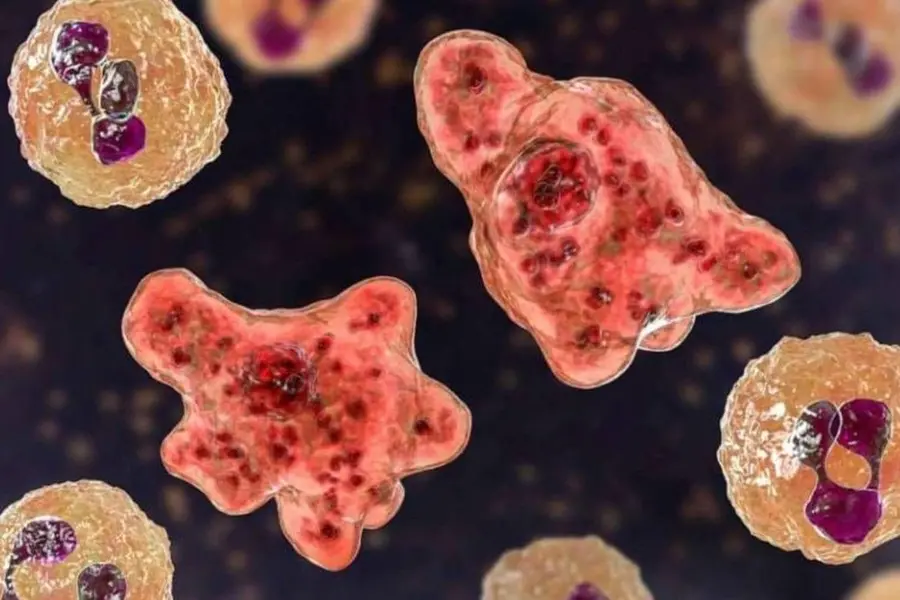
Amoebic meningoencephalitis is a rare infection that affects people who swim or bathe in stagnant water. The disease is caused when amoeba species such as 'Naegleria fowleri', 'Acanthamoeba', 'Sapinia' and 'Balamuthia mandrillaris' enter the brain. The amoeba reaches the brain through the nasal passages or via a perforated eardrum, causing meningoencephalitis. The illness has a mortality rate of more than 97 per cent.
The disease is not spread from person to person. Infection occurs when amoebae living in mud or sediment mix with water and enter the body through the nose. Symptoms typically appear one to nine days after exposure.
Precautions
Health experts advise avoiding bathing in unclean pools, muddy water, or water used by animals. Extra caution is urged when using reservoirs that have not been cleaned for years. People who have undergone nasal surgery, sustained head injuries, or had cranial operations should take particular care. Those with ear infections or pus in the ears should not bathe in stagnant ponds or streams.
Bathing or diving in stagnant water should be avoided whenever possible. Water in swimming pools and theme parks should be chlorinated and kept clean. People are advised not to pour or inhale water through the nose; nasal clips can help prevent water entry.
Symptoms
Initial signs include severe headache, fever, nausea, vomiting, stiff neck and sensitivity to light. Children may show reluctance to eat, inactivity and unusual behaviour.
In severe cases, seizures, fainting and memory loss occur. Doctors urge anyone with symptoms who has swum in stagnant water to seek immediate medical attention. Diagnosis is confirmed with a spinal fluid swab and PCR test. Treatment involves a combination of five drugs believed to act against the amoeba, and early intervention improves the chances of recovery.
Published: 08 Sept 2025, 11:37 am IST
Related Topics
Disclaimer: Kindly avoid objectionable, derogatory, unlawful and lewd comments, while responding to reports. Such comments are punishable under cyber laws. Please keep away from personal attacks. The opinions expressed here are the personal opinions of readers and not that of Mathrubhumi.
