
Kerala 2026-27 budget faces ageing population, rising pensions, climate risks, and high welfare expectations.
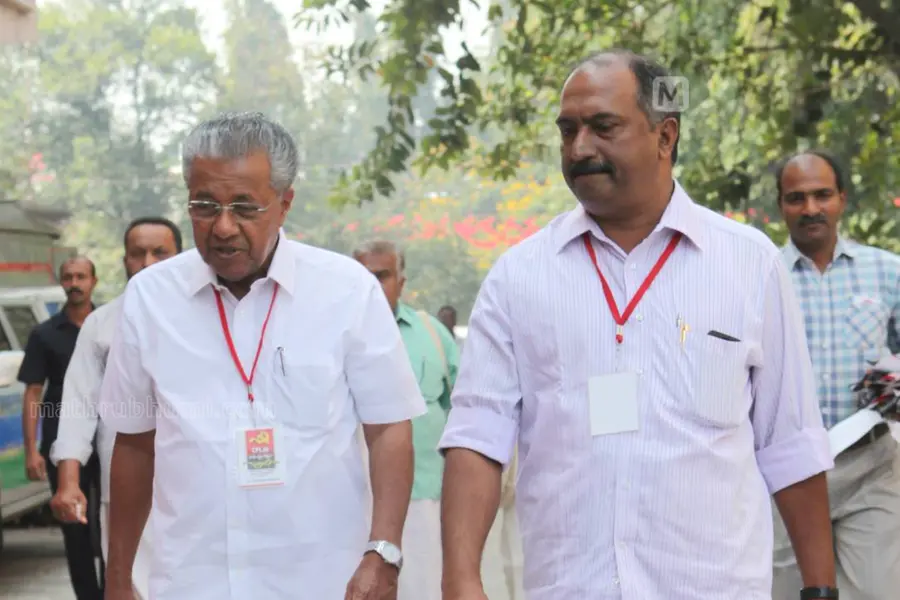
Kerala Finance Minister K N Balagopal is set to present the 2026-27 State Budget tomorrow, Thursday, 29 January, amid warnings from the Reserve Bank of India (RBI) over the fiscal strain of a rapidly ageing population. While the state government is expected to focus on pre-election welfare expansions, the central bank report highlights shrinking tax bases and rising pension obligations as major concerns.
Tomorrow’s budget marks the final fiscal plan of the second Pinarayi Vijayan government. The RBI’s annual study, State Finances: A Study of Budgets of 2025-26, notes that Kerala has reached a "demographic turning point" demanding a fundamental shift in fiscal strategy.
The report, themed Demographic Transition in India – Implications for State Finances, identifies Kerala as the national leader in the move towards an older population. It warns that "The national-level indicators conceal large inter-State divergences in demographic parameters".
Key figures from the report:
- Median age: Kerala – 37 years (India’s highest) versus Bihar – 23 years.
- Old-age dependency ratio: Kerala – 30.1; Bihar – 14.0.
- Population over 60: Expected to rise from 16.5% in 2021 to 18.7% in 2026, reaching 22.8% by 2036.
Fiscal pressure: taxes shrink as pensions rise
The RBI cautions that ageing states face narrowing fiscal opportunities. "The window is getting narrower for the ageing States, facing fiscal pressure arising out of shrinking tax bases and rising obligations from committed expenditure," the report notes.
Younger states benefit from expanding workforces, but Kerala risks lower long-term growth and falling tax receipts. The cost of supporting its older population is already high: "The ageing States on average allocate close to 30 per cent of their total social sector spending to pensions," the RBI adds.
Climate and debt risks compound challenges
Kerala is also flagged as one of nine Indian states among the top 50 regions globally most vulnerable to climate-related damage. This risk is projected to rise sharply by 2050, potentially straining fiscal reserves.
While consolidated state liabilities have fallen from pandemic highs, several states’ debt-to-GSDP ratios remain above 35%, exceeding the 20% recommended by the 2018 FRBM Review Committee. Kerala has issued government securities with tenors over 20 years to manage debt maturity.
High expectations for welfare in 2026-27
Despite structural warnings, tomorrow’s budget is expected to emphasise social security, ahead of Assembly elections. Anticipated measures include:
- Pensions: Potential increase to ₹2,500 per month.
- Government employees: Possible revision of dearness allowance (DA).
- Silver economy: Framework to position Kerala as a hub for elderly care and services.
- Infrastructure & disaster management: Funding for catastrophe bonds, geo-tubes for coastal protection, Sabarimala railway, and AIIMS.
RBI policy advice for Kerala
To maintain fiscal sustainability, the RBI recommends ageing states adopt state-specific strategies:
- Workforce reforms: Adjust retirement ages to match life expectancy.
- Health reforms: Strengthen healthcare financing, preventive systems, and public-private partnerships.
- Migration integration: Use interstate migration to supplement the shrinking workforce.
- Revenue mobilisation: Rationalise subsidies and non-merit spending to fund geriatric care.
Finance Minister Balagopal has called the upcoming budget "grounded in realism and practical assessment," though balancing fiscal prudence with voter expectations remains a key challenge.
Published: 28 Jan 2026, 06:16 pm IST
Related Topics
Disclaimer: Kindly avoid objectionable, derogatory, unlawful and lewd comments, while responding to reports. Such comments are punishable under cyber laws. Please keep away from personal attacks. The opinions expressed here are the personal opinions of readers and not that of Mathrubhumi.
