
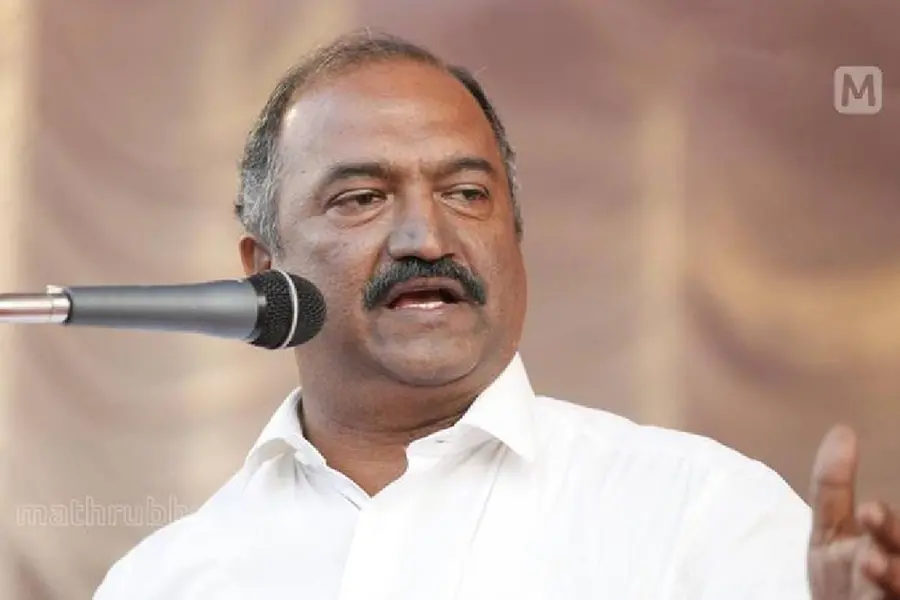
Thiruvananthapuram: Finance Minister K N Balagopal has declared that the ‘Jeevanandam’ scheme, announced in the budget, will not be enforced compulsorily. The scheme aims to provide government employees with a fixed monthly amount upon retirement, operating as an insurance plan, he said.
The minister's statement follows concerns raised about the scheme being perceived as a means to forcibly withhold salaries amidst financial difficulties. 'Jeevanandam' is designed to offer employees the option to invest a desired amount, guaranteeing a fixed monthly income post-retirement through the State Insurance Department, said the minister. The government intended not to implement, but to appoint experts to assess and outline the plan of the project, according to the minister.
He also stated that similar annuity schemes exist in the private sector. He also highlighted the distinctiveness of the project, asserting its increased interest rates and investment security compared to other ones. The scheme also aims to facilitate installment payments as well, added the minister.
Currently, the State Insurance Department administers two schemes for State employees: the State Life Insurance Scheme (SLI) and the Group Insurance Scheme (GIS). However, both terminate with retirement, offering no post-retirement benefits. It is in this situation that the Insurance Department has put forward a proposal to implement an insurance scheme for retirees to receive fixed amounts every month.
In response to the proposed ‘Jeevanandam’ project, the Secretariat Action Council staged a protest, burning the order in front of the Secretariat.
Kerala NGO Association State President Chavara Jayakumar criticized the government's approach, alleging an attempt to reduce salaries and pensions without consulting employees or service organizations.
Opposition Leader V D Satheesan criticized the scheme, comparing it to ‘picking the pockets’ of government employees.
Congress leader Ramesh Chennithala condemned the ‘Jeevanandam’ scheme's imposition of deductions from government employees' salaries without consent, likening it to government exploitation of employee wages.
Published: 02 Jun 2024, 09:11 am IST
Related Topics
Disclaimer: Kindly avoid objectionable, derogatory, unlawful and lewd comments, while responding to reports. Such comments are punishable under cyber laws. Please keep away from personal attacks. The opinions expressed here are the personal opinions of readers and not that of Mathrubhumi.
