
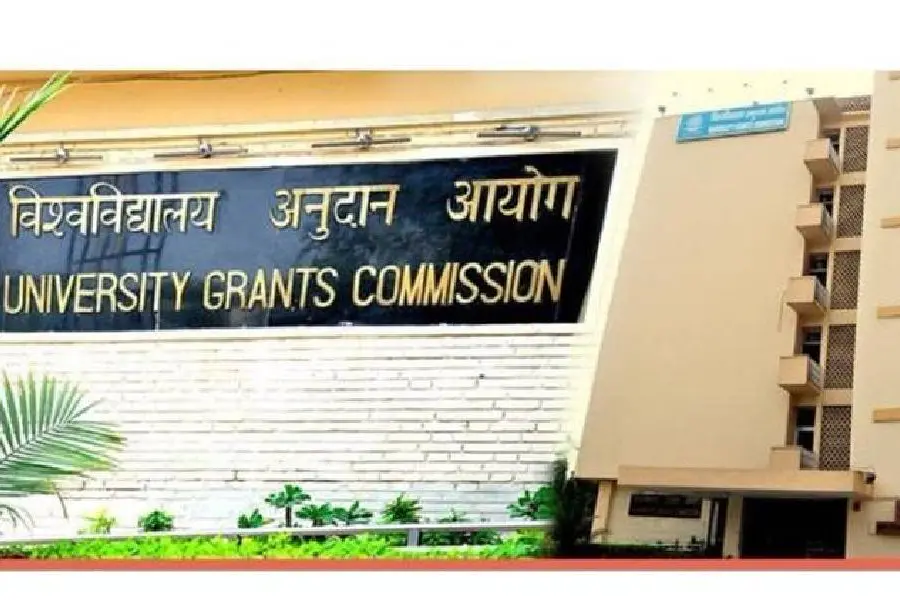
Thrissur: The UGC has introduced new criteria for assessing the quality of higher education institutions in the country. These criteria will also be considered for various developmental aid programs. The guidelines place a greater emphasis on the implementation of the National Education Policy (NEP). States hesitant to implement the policy may face challenges due to this shift.
As of now, NAAC accreditation is the standard method for determining the quality of colleges and universities. The new system will introduce an additional framework for assessment. This system evaluates institutions in two stages. The first stage, called the "Eligibility Qualifier," involves determining basic qualifications. In this stage, 11 mandatory criteria are included, such as UGC approval, NAAC accreditation, AISHE portal registration, student grievance redressal committees, internal complaints committees, and Academic Bank of Credit registration.
Only institutions that meet the requirements in the first stage can proceed to the second stage. In this stage, responses are recorded in a simple "yes" or "no" format.
The first question is whether at least 75% of the approved faculty positions are filled with permanent staff. Guest, visiting, and part-time teachers are not to be counted under permanent staff. Another criterion requires that 75% of the faculty must have undergone training under the Malaviya Mission.
Other questions include whether the institution has admitted at least 3,000 students in the current academic year, holds a NIRF ranking, and follows the multiple entry and exit system in four-year undergraduate programs. In total, there are 49 questions, of which 30 apply to all higher education institutions, while 13 are specifically for universities and autonomous institutions.
The questions for universities include whether the appointment of vice-chancellors complies with UGC norms and whether the curriculum incorporates elements of Indian Knowledge Systems and environmental studies.
The UGC has also invited opinions and complaints regarding the guidelines within 30 days.
Published: 07 Jan 2025, 09:50 am IST
Related Topics
Disclaimer: Kindly avoid objectionable, derogatory, unlawful and lewd comments, while responding to reports. Such comments are punishable under cyber laws. Please keep away from personal attacks. The opinions expressed here are the personal opinions of readers and not that of Mathrubhumi.
