
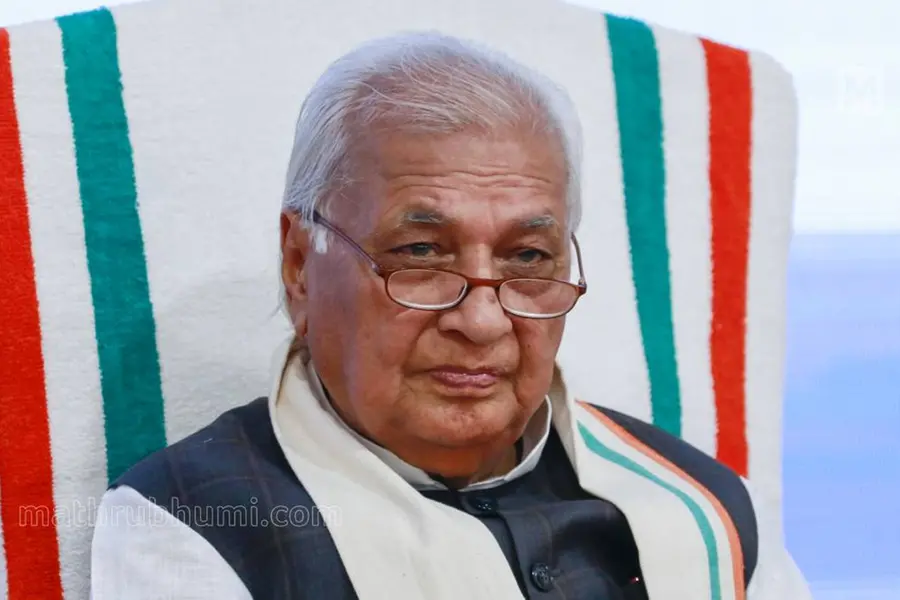
Thiruvananthapuram: Kerala Governor Arif Mohammed Khan is set to visit Kerala University on Tuesday for the first time in two years, amid ongoing tensions with the state government and left-wing organisations over vice-chancellor appointments.
The Governor, who also serves as the Chancellor of universities in Kerala, will inaugurate an international Sanskrit seminar at 11:30 a.m. in the Senate Hall of the university's Palayam campus. The seminar, titled "Global Issues and the Sanskrit Knowledge System", is organised by the university's Sanskrit Department and spans three days.
Also Read

Dr Mohanan Kunnummal, the Vice-Chancellor of Kerala University, will preside over the inaugural event. Prominent participants include Dr Rani Sadasiva Murty, Vice-Chancellor of Tirupati's Sri Venkateswara Vedic University; Dr Sachchidananda Mishra, Member Secretary of the Indian Council of Philosophical Research (ICPR); and Dr K.K. Geethakumary, Vice-Chancellor of Kalady Sanskrit University.
Protests loom amid tensions
The visit comes against the backdrop of heightened protests by left-wing organisations, including the CPM, which have been critical of the Governor's approach to VC appointments. Alleging unilateral decisions, these groups have boycotted preparatory meetings for the event and are expected to stage protests during his visit.
Kerala University has taken precautionary measures to ensure the smooth conduct of the programme. Two years ago, the university had invited the Governor to a programme commemorating the 75th anniversary of Indian Independence, but the event was cancelled due to opposition from left-leaning syndicate members.
Seminar highlights
In addition to the Governor’s address, the seminar will feature discussions by prominent academics, including P.S. Gopakumar, Kerala Syndicate member; Dr C.N. Vijayakumari, Head of the Sanskrit Department; and Dr P.C. Muraleemadhavan, former Head of the Department at Kalady Sanskrit University.
The event’s organisers hope the seminar will foster meaningful academic discussions, even as the political climate around the university remains charged.
Published: 14 Dec 2024, 08:55 am IST
Disclaimer: Kindly avoid objectionable, derogatory, unlawful and lewd comments, while responding to reports. Such comments are punishable under cyber laws. Please keep away from personal attacks. The opinions expressed here are the personal opinions of readers and not that of Mathrubhumi.