
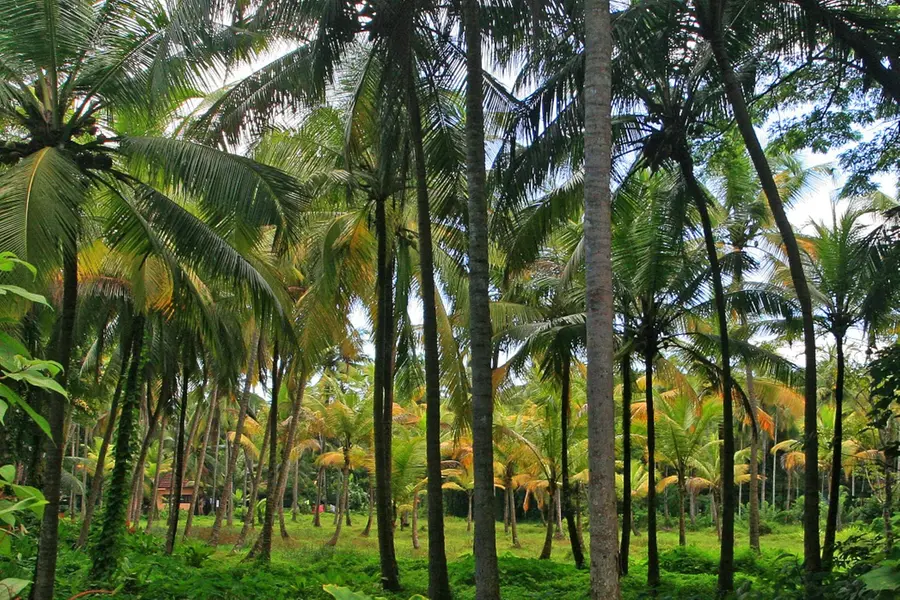
Every year on November 1, Kerala celebrates 'Kerala Piravi', marking the anniversary of its establishment as a state in 1956. Known for its scenic landscapes along the Malabar Coast, Kerala has grown into a beacon of progress with high literacy rates, advanced healthcare, low infant mortality, and high life expectancy.
Historical Roots and Formation
The story of Kerala's formation began in the early 20th century, when the region was divided into four distinct princely states: Travancore, Kochi, British Malabar, and the Kasaragod taluk. Despite these divisions, the people shared a strong cultural and linguistic bond, which fueled the United Kerala Movement led by the Kerala Pradesh Congress Committee (KPCC).
The movement gained momentum in 1928, with calls for a unified Kerala at significant meetings, including the Natturajya Praja Sammelan in Ernakulam and the Congress conference in Payyannur. Under the leadership of figures like Jawaharlal Nehru, support grew for a separate state that would encompass the culturally homogenous regions of Kochi, Travancore, and Malabar.
The United Kerala Convention and Tiru-Kochi State
In 1947, the United Kerala Convention held in Thrissur, with Kelappaji as its president, marked a milestone in the campaign for unity. The Maharaja of Kochi, Kerala Varma, inaugurated the event, earning the title "Aikyakeralathumpuran" for his role in the movement. After independence, Kelappaji led a delegation to Prime Minister Nehru, pressing for Kerala’s official formation.
The merger of the princely states of Kochi and Travancore in 1949 created the Tiru-Kochi State, with the King of Travancore appointed as Rajapramukh. Opposition arose against the inclusion of Malabar, leading to the KPCC's split and the creation of the Malabar Pradesh Congress Committee. The push for linguistic states gained traction nationwide, and in 1953, the States Reorganisation Commission recommended the formation of Kerala.
Celebrating Unity and Progress
On November 1, 1956, Kerala officially became a state, bringing together Travancore, Kochi, Malabar, and Kasaragod under a single administration. Since then, Kerala Piravi has symbolized the cultural and historical journey of the state, celebrated annually with parades, cultural performances, and community events.
Kerala Piravi is a day to honour the unity and resilience of the people of Kerala, highlighting the state’s progress and its journey from a diverse region to a cohesive state renowned for its achievements in literacy, healthcare, and quality of life.
Published: 01 Nov 2024, 12:25 pm IST
Related Topics
Disclaimer: Kindly avoid objectionable, derogatory, unlawful and lewd comments, while responding to reports. Such comments are punishable under cyber laws. Please keep away from personal attacks. The opinions expressed here are the personal opinions of readers and not that of Mathrubhumi.
