
An Ebola scare in Kerala has ended after a 52-year-old woman who had returned from South Sudan tested negative at Kottayam Medical College.
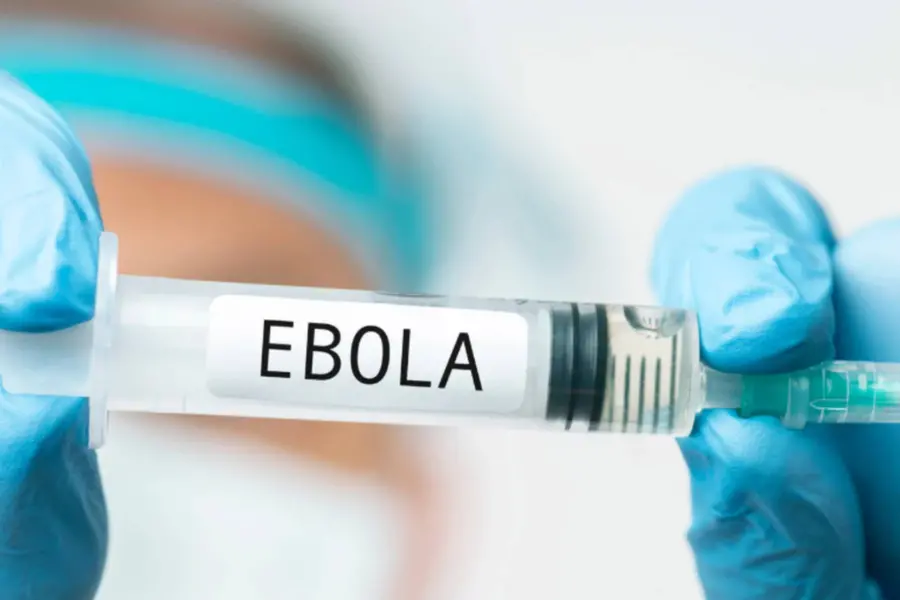
Kottayam: Fears of a potential Ebola outbreak in Kerala have eased after a woman who recently returned from South Sudan tested negative for the virus. The patient had been undergoing isolation and treatment under suspicion of the disease at the Kottayam Medical College Hospital. Her test results, processed by the National Institute of Virology in Pune, came back negative, and she has subsequently been discharged.
The 52-year-old woman reached Kerala from South Sudan via Uganda, where she had boarded a connecting flight. Upon her arrival, she experienced severe vomiting and extremely high blood sugar levels. She was initially admitted to a private hospital, but given her travel history through Uganda, Health authorities promptly transferred her to the isolation facility at Kottayam Medical College.
The global context of Ebola outbreaks
Ebola transmissions have previously claimed numerous lives across Uganda and the Democratic Republic of the Congo (DRC). Recent outbreaks have been driven by the Bundibugyo virus, a rare variant of Ebola for which there is no specific treatment or targeted vaccine. This strain is one of six known variants of the Ebola virus, alongside Zaire, Sudan, Tai Forest, Reston and Bombali.
The most devastating outbreak in history occurred between 2014 and 2016 in West Africa, infecting more than 28,600 people. Prior to recent concerns, Congo last reported an Ebola outbreak in August of the previous year, resulting in 34 fatalities, while an earlier outbreak between 2018 and 2020 claimed over 2,300 lives in the same region.
Transmission, symptoms and prevention
Ebola is a highly severe viral infection. It transmits through direct contact with the blood, secretions, organs or other bodily fluids of infected individuals or those who have succumbed to the disease. The virus also circulates among animals such as monkeys, deer, porcupines and pigs. Humans can contract the virus via contact with infected animal fluids or by consuming improperly cooked bushmeat.
Symptoms: Incubation lasts between 2 and 21 days. Initial signs mirror common viral ailments, including fever, headache, muscle pain and sore throat, sometimes accompanied by vomiting and skin rashes. While generally healthy individuals may recover within days, severe cases develop internal and external bleeding 5 to 7 days into the illness, eventually leading to multi-organ failure involving the liver and kidneys. Pre-existing conditions like malnutrition, liver disease, chronic alcohol consumption or the improper use of NSAIDs can sharply aggravate the severity.
Prevention: The virus is not airborne and does not spread through municipal water or standard food supplies. Effective containment relies heavily on early isolation, avoiding physical contact with patients, and providing immediate supportive clinical care. Ensuring all meat products are thoroughly and safely cooked completely eliminates zoonotic food-borne risks.
Published: 20 Jun 2026, 12:26 pm IST
Related Topics
Disclaimer: Kindly avoid objectionable, derogatory, unlawful and lewd comments, while responding to reports. Such comments are punishable under cyber laws. Please keep away from personal attacks. The opinions expressed here are the personal opinions of readers and not that of Mathrubhumi.
