
CPM to conduct house visits across Kerala to understand reasons behind local poll losses and strengthen party organisation.
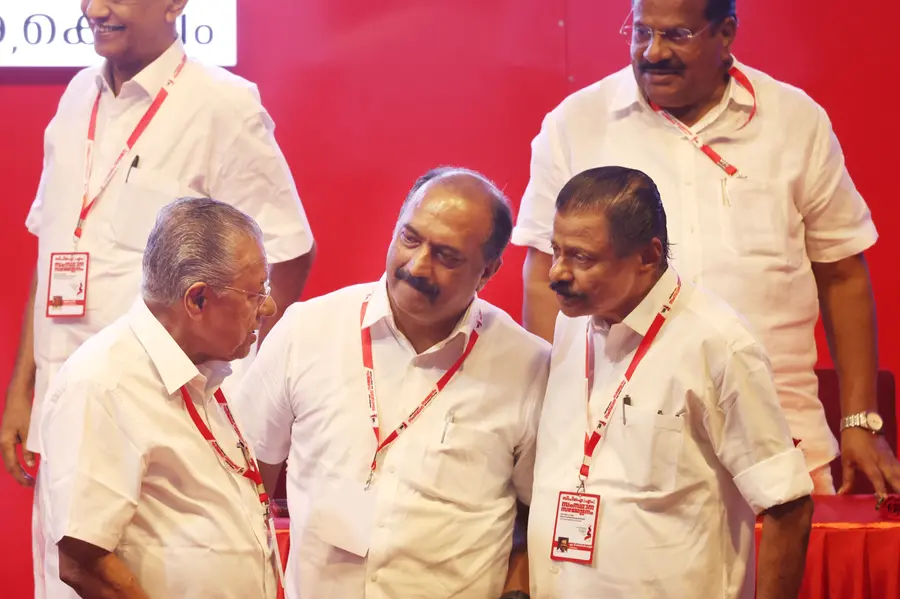
Kochi: In an effort to investigate the reasons behind its severe losses in the recently held local body elections, the CPM is reaching out directly to the public. Despite multiple discussions at various levels, the party’s state leadership believes it has not yet identified the true causes of the defeat.
The state leadership has also decided not to accept reports from party committees that attribute the loss merely to public dissatisfaction with the government. According to their assessment, there was no widespread anti-government sentiment during the local polls. To understand the actual reasons, it is crucial to engage with the people directly, and the central leadership has instructed the party to do so through house visits. These visits are scheduled from January 15 to 22.
Participants will include members from the central committee down to branch committee members. If household members are unavailable, teams will return until they meet and interact with them personally. The instruction is to conduct the visits with seriousness, not merely as a formality. This initiative comes after the party observed widespread changes in voting patterns, prompting a careful review of public feedback for corrective measures.
State leadership evaluations have been discussed with district committees and communicated to lower-level structures. As part of this, the CPM Ernakulam District Committee conducted a detailed discussion of the state committee report, which was presented by Minister P Rajeev.
From January 8 to 9, branch secretaries and higher-level members will present the approved report in a consolidated session.
The party has also decided to investigate local complaints regarding the defeat. Any organisational weaknesses that may have contributed to failures will be examined, with leaders assigned to follow up on such issues.
Instructions have also been issued to commence preparatory work ahead of the upcoming legislative assembly elections. Ward committees formed for local elections will continue functioning as branch committees to update membership and complete organisational tasks quickly, ensuring that booth committees can operate efficiently. Area committees will function as mandalam committees, and in regions with more than one legislative assembly constituency, leaders will work as two committees until the assembly elections.
Published: 03 Jan 2026, 11:25 am IST
Related Topics
Disclaimer: Kindly avoid objectionable, derogatory, unlawful and lewd comments, while responding to reports. Such comments are punishable under cyber laws. Please keep away from personal attacks. The opinions expressed here are the personal opinions of readers and not that of Mathrubhumi.
