
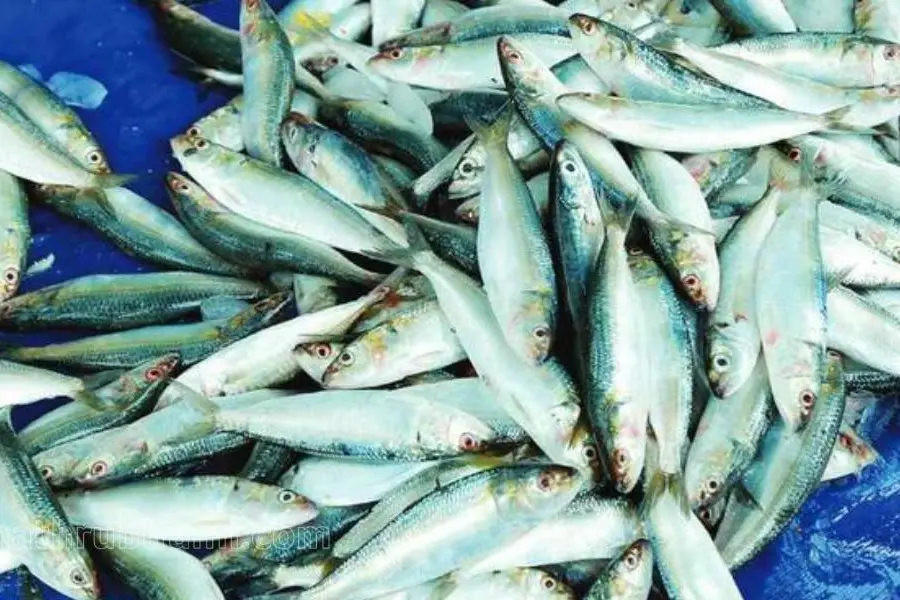
Kochi: The implementation of the Minimum Legal Size (MLS) regulation, which bans juvenile fishing, has resulted in a 41 per cent increase in the yield of threadfin breams in Kerala, according to a study by the ICAR-Central Marine Fisheries Research Institute (CMFRI).
The study found that enforcing the MLS led to an increase in spawning stock biomass, standing stock biomass, yield, and recruitment of threadfin breams, one of the species most affected by juvenile fishing. These findings were presented at a stakeholder workshop organised by CMFRI, where various research outcomes were discussed with representatives of fishermen and those working in allied sectors.
To enhance the effectiveness of the regulation, CMFRI recommended extending the MLS enforcement across the entire value chain and strictly regulating the mesh size of fishing nets.
“Curbing juvenile fishing could be more beneficial to the marine fisheries sector and would save the species from the threat of extinction,” the report noted. Over the past seven years, it is estimated that the sector incurred a loss of Rs 1,777 crore due to juvenile fishing of five key species: threadfin breams, oil sardines, lizardfish, squid, and groupers. The estimated average annual loss from fishing young ones of these species amounts to Rs 216 crore.
Additionally, the report revealed that 70 per cent of sharks caught along the Kerala coast, which are not covered under the MLS, are below breeding size. IANS
Published: 21 Jul 2024, 06:37 am IST
Related Topics
Disclaimer: Kindly avoid objectionable, derogatory, unlawful and lewd comments, while responding to reports. Such comments are punishable under cyber laws. Please keep away from personal attacks. The opinions expressed here are the personal opinions of readers and not that of Mathrubhumi.
