
A child in Kerala is battling for life after reportedly contracting rabies despite undergoing vaccination following a stray dog bite
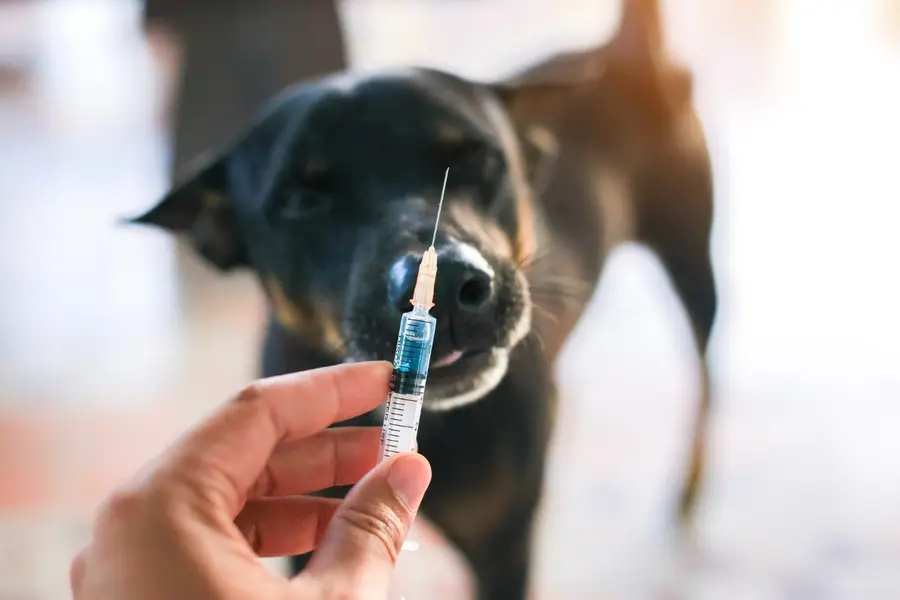
Kollam: A young child from Vilakkudy in Kerala’s Kollam district is in critical condition after reportedly contracting rabies despite receiving multiple doses of rabies vaccine.
The case has sparked concern among health officials and the public about the effectiveness of post-exposure treatment in certain high-risk situations.
The child was bitten by a stray dog on 8 April. Following the incident, the family took the child to the Vilakkudy Primary Health Centre, where the first dose of the intradermal rabies vaccine (IDRV) was administered, along with the anti-rabies serum. According to the family, there were no lapses in follow-up care, and the child was on schedule to receive the final dose when symptoms such as fever began to develop.
As the child’s condition deteriorated, the parents sought treatment at Punalur Taluk Hospital. The situation worsened further, leading to the child being referred to the SAT Hospital in Thiruvananthapuram. Doctors at the facility confirmed that the child is currently in a critical state.
Health officials are monitoring the situation closely. Experts said that while the IDRV regimen is generally effective when administered properly and promptly, certain factors can still lead to vaccine failure.
These include the location and depth of the bite wounds, particularly those sustained on or near the head and neck. The virus in such cases can travel rapidly to the central nervous system, reducing the time available for the vaccine to act.
This incident follows a similar tragedy in Malappuram, where a five-and-a-half-year-old girl died from rabies last week after being bitten by a stray dog. In that case, the child had reportedly received the full course of the rabies vaccine at Kozhikode Medical College Hospital.
However, doctors later confirmed that the severity of her injuries — including 13 wounds and four deep lacerations on the head — may have overwhelmed the vaccine’s protective effects. They also mentioned possible delays or inadequacies in the initial treatment provided.
Medical experts emphasise that rabies remains almost universally fatal once symptoms appear, but it is highly preventable through timely and correct medical intervention.
They now urge renewed attention to the assessment and management of dog bite wounds, particularly those involving the face, head, and neck. Enhanced training for primary care staff and quicker referrals to tertiary care centres are also being recommended.
Published: 03 May 2025, 12:50 pm IST
Related Topics
Disclaimer: Kindly avoid objectionable, derogatory, unlawful and lewd comments, while responding to reports. Such comments are punishable under cyber laws. Please keep away from personal attacks. The opinions expressed here are the personal opinions of readers and not that of Mathrubhumi.
