
SSK funding suspension halts tribal education in Kerala, affecting thousands in forest and remote areas.
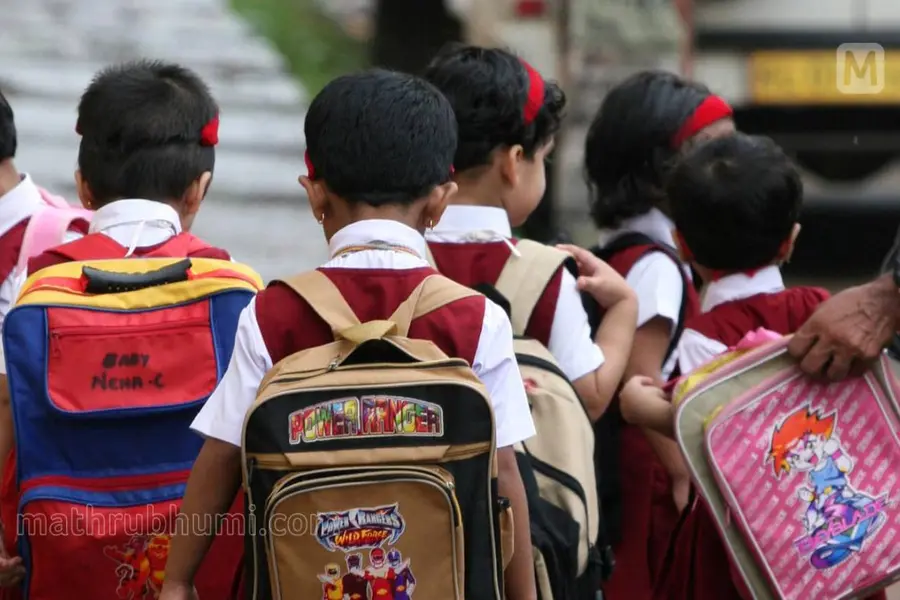
Thiruvananthapuram: The suspension of central funding for Samagra Shiksha Kerala (SSK) under the PM-SHRI School Scheme has brought the education of tribal and other marginalised children in forest regions to a complete standstill. While the state government, which initiated the Gunamenma Varsham programme ('comprehensive quality improvement' programme), failed to adequately include the ‘children of the forest’.
Education of tribal children is carried out under the SSK scheme. The commute of students from geographically challenging areas is managed with the help of volunteers, and free lunches were provided to keep them on track. Other than providing free textbooks, no additional support has been given by the government. For the past two years, a grant of ₹1,500 crore has remained withheld by the Central government.
Vehicle transportation to bring a child to school costs about ₹600. With the funds blocked, student attendance has come to a halt. Stipends have not been provided for the past three years.
According to the Right to Education Act, children who do not attend school should be identified, and proper learning must be ensured for them. Despite thousands of students being out of school, the government remains at a standstill.
Closure of local resource centres
Ooru Vidya Kendrams (local resource centres in tribal hamlets) were established to ensure that children in tribal settlements attended school and received learning support. Kerala once had 60 such centres, but all have been shut down due to lack of central approval.
Talent centres disbanded
Across all districts, there were 336 local Prathibha Kendras (Talent Centres), each catering to around 15–20 children from forest, plantation, and coastal areas, as well as children of migrant labourers. With the halt in SSK funding, all these centres have been closed.
Learning gap in tribal language project
The Padippurasi project aimed to teach tribal children in their mother tongue first, gradually transitioning them to Malayalam for mainstream education. It was implemented in Attappadi, Nilambur, Sulthan Bathery, Edamalakkudy, Bison Valley, and Chempakathozhu. Although Edamalakkudy LP School was upgraded to a UP School, teacher posts were never sanctioned, forcing children from Classes 5 to 7 to study in the same classroom as fourth graders under LP teachers.
Published: 13 Aug 2025, 07:00 pm IST
Related Topics
Disclaimer: Kindly avoid objectionable, derogatory, unlawful and lewd comments, while responding to reports. Such comments are punishable under cyber laws. Please keep away from personal attacks. The opinions expressed here are the personal opinions of readers and not that of Mathrubhumi.
