
Kozhikode (Kerala): A 13-year-old boy, who was afflicted by amoebic meningoencephalitis, a rare brain infection caused by a free-living amoeba found in contaminated waters, passed away while undergoing treatment at a hospital here.
The deceased has been identified as Mridul, hailing from Farook, Kozhikode. He was undergoing treatment at a private hospital in Kozhikode. He passed away on Wednesday, marking the third death from the disease in the state.
Mridul, a student in the seventh grade at Farook Higher Secondary School, was admitted to the hospital on June 24. His condition had worsened rapidly by Wednesday evening. The boy had reportedly bathed in Achamkulam Pond near Farook College. He began experiencing severe headaches and vomiting, prompting a referral to the Medical College, and from there, he was shifted to a private hospital.
Mridul is survived by his parents, Ajith Prasad and Jyothi, and his brother Milan. The last rites are scheduled for Thursday at 1 p.m.
Amoebic meningoencephalitis
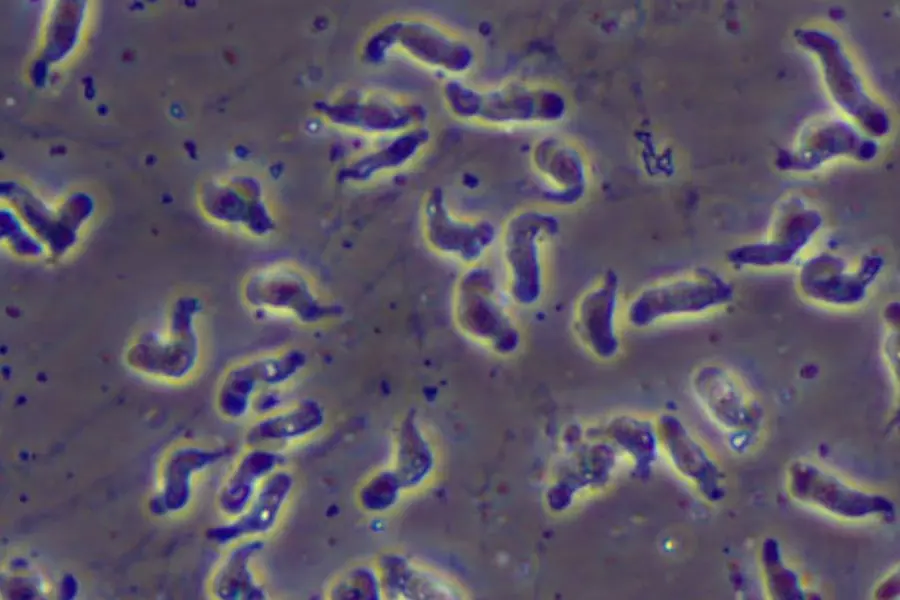
Notably, Amoebic meningoencephalitis is a very rare disease in people who have contact with standing or running water sources. There are very few scientific studies and study results about this rare disease. Statistics indicate that only 2.6 out of 10 lakh people who come in contact with such water in the world get this disease. The disease usually occurs when Naegleria fowleri, a type of amoeba, infects the brain.
This disease is not transmitted from human to human. The amoeba that lives in stagnant water enters the human body through the thin skin of the nose and causes encephalitis, which seriously affects the brain. Free-living amoebas are generally found in stagnant water bodies. Bacteria from the amoeba family are transmitted through the fine pores in the nose by bathing in drains or pools. Enters the human body and severely affects the brain and causes encephalitis.
Symptoms appear within one to nine days of infection. The primary symptoms are severe headache, fever, nausea, vomiting and difficulty turning the neck. Later, when it reaches a critical condition, there are symptoms like epilepsy, loss of consciousness and memory loss. Diagnosis is made by taking fluid from the spinal cord and testing it. People who bathe in stagnant water should report these symptoms and seek treatment.
Published: 04 Jul 2024, 07:33 am IST
Related Topics
Disclaimer: Kindly avoid objectionable, derogatory, unlawful and lewd comments, while responding to reports. Such comments are punishable under cyber laws. Please keep away from personal attacks. The opinions expressed here are the personal opinions of readers and not that of Mathrubhumi.
