
Areca nut prices surge in Kerala, with old-grade nuts crossing ₹500 per kg, giving relief to growers amid crop losses.
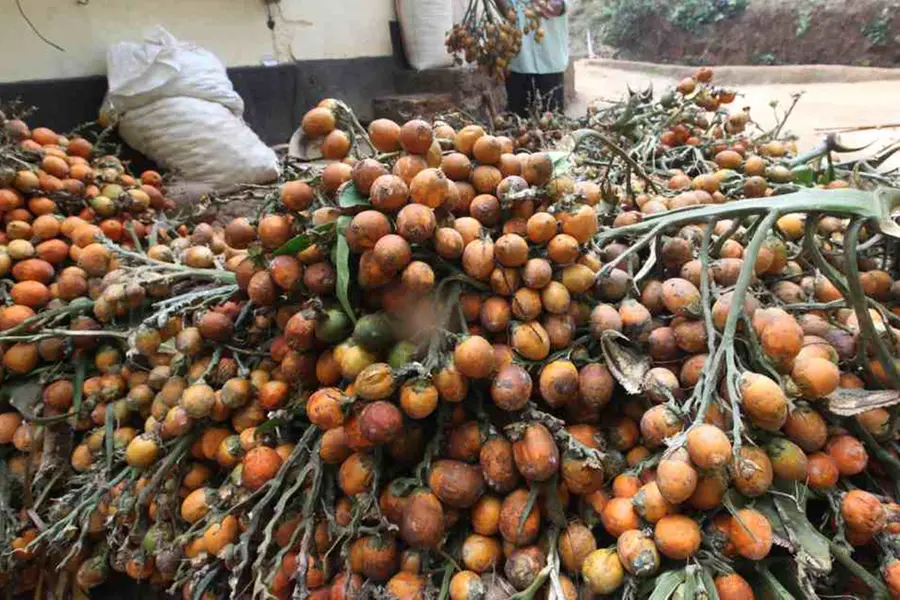
Kanhangad: Following a rise in coconut prices, areca nut (adakka) prices have also climbed hugely. Amid crop losses caused by leaf blight and Mahali disease in areca plantations, growers harvesting old-grade nuts are seeing price increases, bringing hope and relief.
In the past year, the price of old-grade (premium) areca nuts has risen by ₹90 per kg. This increase is also reflected in the prices of new-grade nuts.
In January 2024, premium old-grade nuts were priced at ₹390–410 per kg. By January 2025, they had increased slightly to ₹425–450. Ten months later, the price has surged to ₹495–520. By contrast, between January 2023 and 2024, the price of premium nuts had dropped by around ₹100 per kg.
Other varieties (secondary grades) have also seen major fluctuations. Last year, lower-quality types such as Karinkott, Ulli and Fottor recorded steep price drops. Compared to 2023, Karinkott and Ulli fell by more than ₹100 per kg, but recently prices have returned to previous levels, providing relief to growers.
The rise in prices of commonly used Chemman nuts has contributed to the increase in Karinkott and Ulli varieties.
Until recently, areca nut growers were primarily troubled by Mahali disease during the rainy season. Proper use of fungicides was necessary to control it. Currently, leaf blight is the major threat to plantations.
Old-Grade, Ulli, Fottor and Karinkott varieties
Premium old-grade nuts are prepared by carefully drying harvested nuts for over a year without moisture retention. From the harvested crop, different grades—old-grade, Ulli, Fottor and Karinkott—are sorted. Nuts harvested in the current season are considered new-grade. Nuts with fully intact outer skin are called Ulli, those with split skin are Fottor, and dark, thin, lower-quality nuts are Karinkott.
Published: 17 Nov 2025, 09:39 am IST
Related Topics
Disclaimer: Kindly avoid objectionable, derogatory, unlawful and lewd comments, while responding to reports. Such comments are punishable under cyber laws. Please keep away from personal attacks. The opinions expressed here are the personal opinions of readers and not that of Mathrubhumi.
