
Although electric fences are commonly installed to prevent crop damage and deter wild animals, prior approval from the Electrical Inspectorate is mandatory.
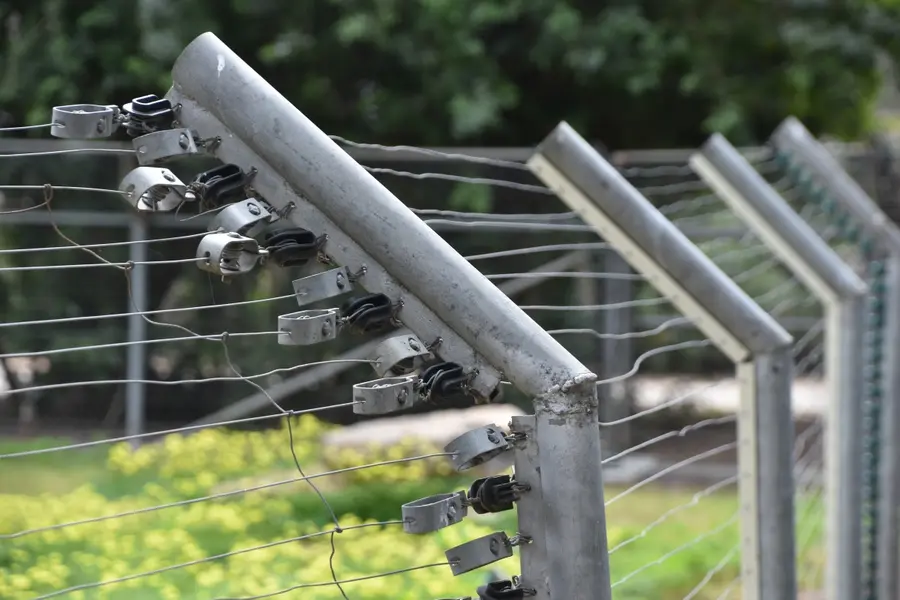
Electric shock accidents from unauthorised electric fences are on the rise in Kerala, with 24 deaths reported over the past two years. In several cases, including recent child deaths, electricity was illegally diverted from Kerala State Electricity Board (KSEB) lines or household connections.
Though electric fences are often installed to deter wild animals and crop damage, they require prior approval from the Electrical Inspectorate. As per IS-302-2-76 (1999) standards, only battery-operated electric fence energisers with impulse generators are permitted. Diverting power from KSEB lines—either directly or indirectly—is strictly prohibited.
Such unauthorised use of electricity for fencing is a criminal offence under Section 135(1)(e) of the Electricity Act, 2003, inviting up to three years’ imprisonment, fines, or both.
Class 10 student electrocuted in Nilambur
A 15-year-old student, Ananthu alias Jithu, died after being electrocuted by an illegal fence meant to trap wild boars. The incident occurred in Nilambur, Malappuram district, just days before the Assembly by-election. Of the four boys who encountered the fence, three were seriously injured and one survived to alert locals. Ananthu was declared dead upon arrival at hospital.
Outraged by the death, United Democratic Front (UDF) activists staged protests, blocked roads, and clashed with police, demanding arrests and action against KSEB. “This is not an isolated incident,” local residents claimed, citing numerous similar traps in the area.
UDF candidate Aryadan Shoukath accused the state government and KSEB of negligence. “The KSEB has shown shocking indifference to public safety,” he said, threatening intensified protests unless stern action is taken.
Left Democratic Front (LDF) candidate M Swaraj termed the incident “deeply unfortunate” and called for a thorough investigation. Forest Minister A.K. Saseendran, meanwhile, alleged a political conspiracy. “This is the election season, and one must ask who benefits from this tragedy,” he said, asserting the Forest Department and KSEB had no role in the fence installation.
KSEB refuted claims that officials were warned earlier about the electric trap. “No such complaint was received at the KSEB Vazhikkadavu section office,” it stated. According to the board, the illegal connection was drawn from a power line in a remote, forest-fringe area, making detection difficult—especially at night, when such thefts usually occur.
“It was electricity theft,” the board said, affirming that such acts are punishable under the Electricity Act. If violators admit guilt and pay penalties, legal action may be waived—but only once.
Crackdown on power theft continues
In the last financial year, KSEB’s Anti-Power Theft Squad uncovered 4,252 misuse cases and 288 confirmed thefts, levying fines totalling Rs 41.14 crore. During April and May 2025 alone, 30 thefts were found among 4,149 inspections, resulting in Rs 9.38 crore in penalties.
Citizens are urged to report suspicious activity to KSEB section offices, the Anti-Power Theft Squad, or via the emergency number 9496010101, which is strictly for emergencies. Informants’ identities remain confidential, and location-specific details help expedite action.
Published: 22 Jun 2025, 06:38 pm IST
Disclaimer: Kindly avoid objectionable, derogatory, unlawful and lewd comments, while responding to reports. Such comments are punishable under cyber laws. Please keep away from personal attacks. The opinions expressed here are the personal opinions of readers and not that of Mathrubhumi.
