
Remembering the 104th anniversary of the tragic Wagon Tragedy, a dark chapter of the Malabar Rebellion. Learn about the 70 lives lost
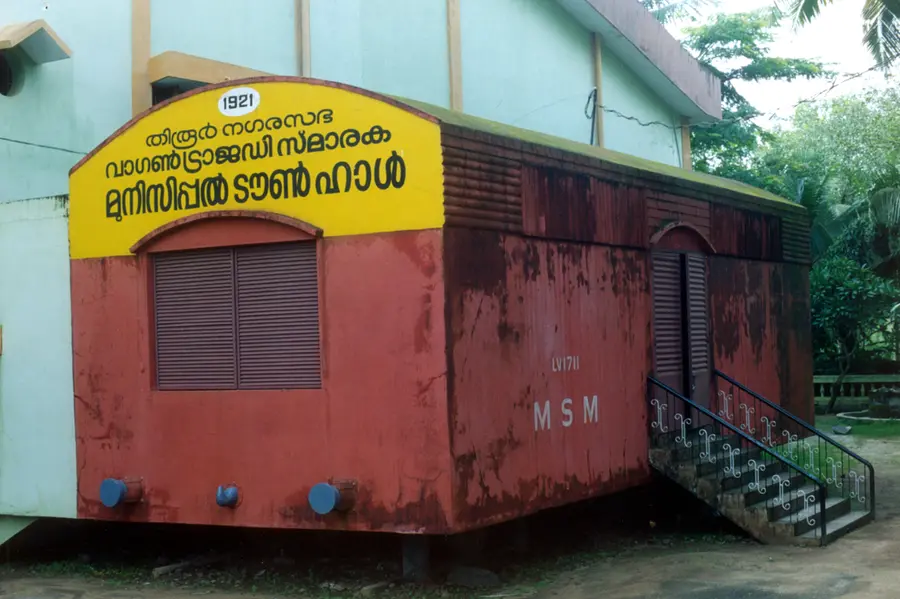
Malappuram: One of the most tragic incidents in the history of the Malabar Rebellion was the Wagon Tragedy that took place on November 19, 1921. The uprising had spread across more than 220 villages in Malabar. In the name of the rebellion, thousands of people were arrested from these areas.
When the local jails became full with those arrested since November 10, many detainees were sent to prisons in Tamil Nadu. The British police decided to transport 100 prisoners at a time to the Bellary jail.
To prevent others from seeing the rebels, Sergeant Andrews decided to lock them inside freight wagons for transport. At Tirur, a wagon was attached to Train No. 77, which was travelling from Kozhikode to Coimbatore. Among the 100 prisoners were four Hindus and 96 Muslims.
The train departed from Tirur at 7:15 pm. The wagon had air-tight shutters. When the military checked the wagon upon its arrival at Pothanur at 12:30 am, 56 people had already suffocated to death. Their bodies were sent back to Tirur in the same wagon. The train continued to Coimbatore with the remaining 44 prisoners at 4:30 am. By the time they reached the hospital, six more had died. In the following days, eight more succumbed. In total, 70 people died.
The 100 prisoners included those accused of crimes such as destroying the Pulamanthole bridge. The bodies were buried at Korangath Mosque, Juma Masjid, and Muthurkkunnu in Tirur.
AR Knapp, Special Commissioner for Malabar Affairs, was appointed to investigate the tragedy. It is from Knapp’s name that the Malayalam term “Knappan” originated.
The inquiry stated that 2,500 detainees had been transported in similar wagons on 32 occasions earlier without any mishap.
Although the company that manufactured the wagons, the traffic inspector who permitted their use, and others were found responsible, the British court acquitted all of them. The Wagon Tragedy Memorial Hall in Tirur stands today as a monument to this massacre that drew widespread global attention.
Published: 19 Nov 2025, 10:38 am IST
Related Topics
Disclaimer: Kindly avoid objectionable, derogatory, unlawful and lewd comments, while responding to reports. Such comments are punishable under cyber laws. Please keep away from personal attacks. The opinions expressed here are the personal opinions of readers and not that of Mathrubhumi.
