
While India faces a difficult economic choice, experts warn the US could also experience higher prices and slower growth
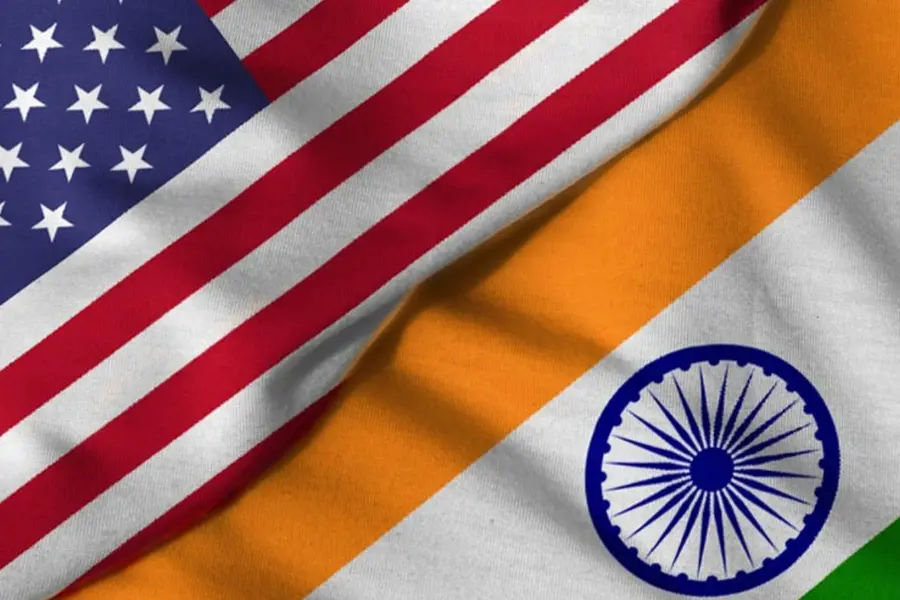
Indian exporters are bracing for a storm as the United States tightens its trade grip. From 27 August, Washington will impose a 50 percent duty on a wide basket of goods from India. The move threatens to disrupt billions in exports, hitting small businesses, jobs, and price competitiveness in American markets.
What is the reason behind the new tariff?
A 25 percent punitive duty is already in place. It was first introduced during the Trump administration as a response to India’s continued imports of Russian crude oil and defence equipment. Washington is now increasing this to 50 percent , signalling stronger retaliation.
How big will the impact be on Indian exports?
The economic think tank GTRI has estimated that nearly two-thirds of Indian exports to the US, worth close to $60 billion, will now fall under this new tariff regime. This will make Indian products significantly more expensive in the American market and erode their competitiveness against rival exporters.
India currently exports around $86.5 billion worth of goods to the US. With the new tariff, this figure is expected to drop to $49.6 billion by FY26. While 30 percent of exports will remain duty-free and 4 percent will face the 25 percent duty, a massive 66 percent (about $60.2 billion) covering key sectors will be charged the 50 percent duty.
Why does India continue to buy Russian oil?
Former ICAI President Ved Jain explained that India faces a difficult balancing act. He said India imports Russian oil because it is economically viable. If the country were to stop buying from Russia, the economy would become inefficient and suffer. On the other hand, continuing these imports keeps India economically efficient but invites penalties in the form of tariffs on exports. He described this as a choice between “two evils”.
Which industries will be affected the most?
The labour-intensive sectors are expected to take the hardest hit. These include textiles, gems and jewellery, carpets, shrimp, and furniture. Small and medium-sized exporters will be particularly vulnerable, with job losses looming as a likely consequence.
A textile factory owner, Bhadresh Dodhia, pointed out that the supply chain in the textile industry already works on very thin margins.
With such a sharp tariff increase, he said it would be impossible for importers to absorb the costs. Instead, American consumers would eventually bear the higher prices. He also noted that in the short term, exporters are left hoping for the additional 25 percent tariff to be rolled back.
Could the US also feel the pressure?
Analysts believe the move may also backfire on the American economy. Economist SP Sharma argued that the higher tariffs are unlikely to benefit the US. Instead, they will push up inflation, which is already uncomfortably high. He explained that inflation above 2 percent is not tolerable in the US and could harm growth.
Sharma pointed out that during Trump’s earlier tenure (2017–2020), the US economy grew only around 1.4 percent , which was not an impressive rate. He warned that a similar slowdown could occur again if tariffs of 25 percent or 50 percent are placed on major suppliers.
Who are the likely winners?
As India’s market share shrinks, competitors such as China, Vietnam, Mexico, and Turkey are expected to step in and fill the gap. American buyers are likely to source more goods from these countries.
The US currently makes up 18 percent of India’s total goods exports, which means Washington’s decision will cause major disruptions across Indian industries.
(With agency inputs)
Published: 26 Aug 2025, 10:58 pm IST
Related Topics
Disclaimer: Kindly avoid objectionable, derogatory, unlawful and lewd comments, while responding to reports. Such comments are punishable under cyber laws. Please keep away from personal attacks. The opinions expressed here are the personal opinions of readers and not that of Mathrubhumi.
