
A major revision of voter lists in West Bengal has led to lakhs of names being deleted, raising questions about how the process works and who is affected
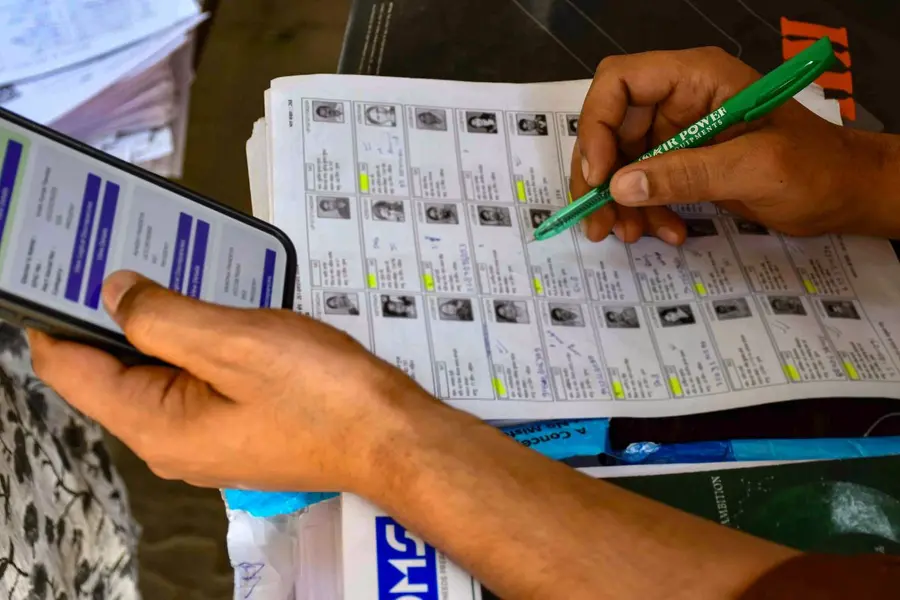
With lakhs of names being removed from voter lists, the Special Intensive Revision in West Bengal has drawn both attention and concern. For many voters, the process may seem complex, making it important to understand what is happening and how to check your status.
How was the verification process carried out?
The entire process has been detailed and heavily dependent on data. Booth Level Officers carried out door-to-door checks to verify voters. After this exercise, voters were placed into three groups: approved, deleted, and under adjudication.
Those who were flagged appeared in supplementary lists released in phases through March. Reasons for deletion included duplication, death, or relocation.
Around 37 lakh disputed cases were reviewed. However, only about 22 lakh names appeared in the early supplementary lists. This has left a gap of roughly 15 lakh cases, which has reportedly been linked to technical problems such as missing e-signatures. This has raised concerns about whether administrative delays, and not just eligibility, are influencing the final voter lists.
What concerns have been raised about the process?
An online appeals portal has now been introduced to allow voters to challenge their exclusion. However, the absence of an offline option has raised concerns. Many fear that people without access to digital tools could be left out of the process.
What exactly is SIR and how is it different?
The exercise is conducted by the Election Commission of India. Its purpose is to ensure that every eligible citizen is included in the voter list, while removing duplicate or ineligible entries.
Unlike the regular summary revision, which depends largely on individuals updating their own details, SIR is more proactive. It involves fieldwork and is usually carried out before major elections or when there are concerns about migration, urban growth, or duplication in voter records.
How does the SIR process work step by step?
The process begins with intensive field verification. Booth Level Officers are sent across constituencies to visit homes and confirm whether registered voters actually live at the listed addresses. During these visits, households are asked to verify their details, submit correction forms, or provide supporting documents if needed.
Based on this information, the voter database is updated. New voters who have turned 18 are added. At the same time, entries that may be duplicates, belong to people who have moved, or are deceased are marked for review. These names are not removed immediately. Instead, they are placed in a draft or objection stage, giving people a chance to respond.
What happens during adjudication and finalisation?
The next stage involves adjudication, which is a key part of the process. Draft electoral rolls and proposed deletion lists are published. Citizens are then invited to submit claims and objections within a set period.
Electoral Registration Officers examine each case carefully and may even conduct hearings before making a decision.
Once all disputes are addressed, the final electoral roll is published. Supplementary lists showing additions and deletions are also released.
This structured process is designed to maintain a balance between accuracy and fairness. The goal is to create a cleaner voter list while ensuring that no eligible voter is removed without an opportunity to contest the decision.
Why are names removed from the voter list?
The revision exercise aims to clean up the rolls. Names may be removed if a person is found to be ineligible, cannot be traced, or has been incorrectly listed.
One common reason is a change of residence. If a voter has permanently moved to another area but has not updated their registration, their name may be removed from the previous address to avoid duplication.
Similarly, if a person is registered in more than one constituency, one entry must be deleted, as Indian law allows voting in only one place.
Another major category includes deceased voters. Names that remain due to delayed updates are identified and removed during field checks.
There are also cases where verification is incomplete. If Booth Level Officers are unable to locate a voter after several visits, the person may be marked as not found and their name can be proposed for deletion.
In some situations, entries are removed due to incorrect or incomplete details, or because the person does not meet eligibility requirements, such as not being an Indian citizen or being under 18 years of age.
However, all such cases are expected to go through a draft and objection stage, allowing people to challenge the decision and have their names restored before the final list is confirmed.
How can you check your name in the voter list before April 23?
If you are a voter in West Bengal, it is important to confirm your name in advance of polling on April 23, especially during the ongoing revision. Here is a simple step-by-step guide:
- Visit the official voter search portal https://electoralsearch.eci.gov.in
- Choose one of the following options:
Search by details: Enter your name, your parent’s name, age, gender, state by selecting West Bengal, and district
Search by EPIC number: Enter your voter ID number printed on your voter card
If you have your EPIC number, this method is quicker and more accurate.
- Check your details carefully, including your name, polling booth, and constituency. Make sure your age and address are correct. Note down your Part Number and Serial Number.
If your name is missing, you can take the following actions:
- File a claim for inclusion using Form 6
- Submit a correction or objection using Form 8
- Use the Voter Helpline App to track your request more easily
- You may need to upload identity or address proof.
If you are not comfortable using online tools:
Visit your local Booth Level Officer or go to the nearest Electoral Registration Office.
Published: 30 Mar 2026, 03:22 pm IST
Related Topics
Disclaimer: Kindly avoid objectionable, derogatory, unlawful and lewd comments, while responding to reports. Such comments are punishable under cyber laws. Please keep away from personal attacks. The opinions expressed here are the personal opinions of readers and not that of Mathrubhumi.
