
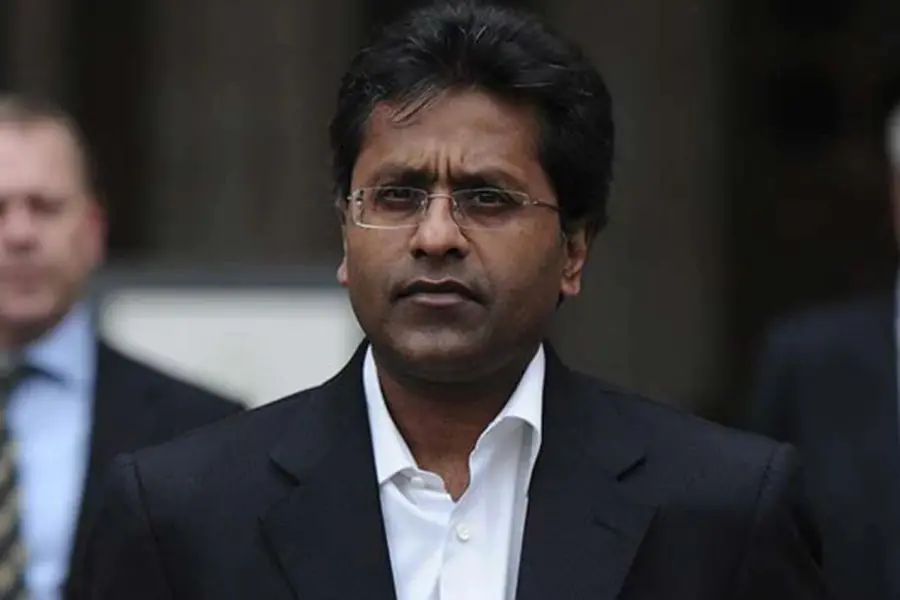
Vanuatu has drawn global attention following reports that former Indian Premier League (IPL) chairman Lalit Modi has acquired its citizenship. The Indian Ministry of External Affairs (MEA) confirmed that Modi has applied to surrender his Indian passport at the High Commission in London.
MEA spokesperson Randhir Jaiswal stated that the government is aware of his application and continues to pursue legal proceedings against him. "The same will be examined in light of extant rules and procedures. We continue to pursue the case against him as required under law," he said.
Modi, a former vice-president of the Board of Control for Cricket in India (BCCI), has been accused of financial misconduct, including bid-rigging, money laundering, and violations of the Foreign Exchange Management Act, 1999 (FEMA). He left India in 2010 amid investigations into unauthorised fund transfers.
What is Vanuatu’s ‘golden passport’ scheme?
Vanuatu's Citizenship by Investment (CBI) programme, commonly known as the ‘golden passport’ scheme, allows individuals to obtain citizenship by making a financial contribution. It is considered one of the fastest and most affordable in the world, with citizenship available for USD 150,000 (Rs 1.3 crore) in just one month, without requiring a visit to the country.
As of 2025, a Vanuatu passport grants visa-free access to 113 countries. The Henley Passport Index ranks it as the 51st strongest globally, ahead of nations such as Saudi Arabia (57), China (59), and Indonesia (64), while India ranks 80th. However, Vanuatu lost its visa-free entry to the European Union in 2023 due to security concerns.
How important is the scheme for Vanuatu’s economy?
Vanuatu, a small Pacific island nation with a population of just over 3 lakh, relies heavily on revenue from its passport sales. With a per capita GDP of USD 3,515.2 (World Bank, 2023), it is one of the poorest countries in the world. The CBI programme accounts for nearly 40% of its national revenue, and during the Covid-19 pandemic, demand for Vanuatu passports surged to the point where the country reported a budget surplus in 2021.
Besides its fast-track citizenship process, Vanuatu’s tax policies make it an attractive option for investors. The country does not impose personal income tax, corporate tax, wealth tax, or inheritance tax. Instead, it relies on indirect taxes such as VAT and property transaction levies, which remain lower than those in other South Pacific nations. Vanuatu's relaxed financial regulations have also positioned it as a popular offshore financial hub.
Why are Indians and NRIs interested in Vanuatu citizenship?
A growing number of Indians, including Non-Resident Indians (NRIs), are applying for Vanuatu citizenship. Over the past two years, at least 30 Indians have obtained Vanuatu passports, though the majority of applicants remain Chinese nationals.
Many NRIs see Vanuatu citizenship as a strategic move to avoid potential legal issues in India. Those residing in Dubai and other foreign locations find the programme appealing as it extends citizenship to entire families. Some individuals reportedly use Vanuatu as a stepping stone before acquiring citizenship from countries with stronger passports, such as Malta, Grenada, or Cyprus.
What are the concerns surrounding Vanuatu’s programme?
Vanuatu’s golden passport scheme has come under scrutiny for alleged misuse by criminal syndicates. Investigations have suggested that the programme provides an entry route to the UK and EU, raising security concerns among global authorities. The European Union permanently revoked Vanuatu's visa-free access in 2023 due to these risks.
Despite its economic benefits, the lack of strict background checks has sparked concerns over the potential exploitation of the programme. While Vanuatu remains a sought-after destination for quick and easy second citizenship, its golden passport scheme continues to face criticism over security loopholes and regulatory oversight.
Published: 08 Mar 2025, 04:02 pm IST
Related Topics
Disclaimer: Kindly avoid objectionable, derogatory, unlawful and lewd comments, while responding to reports. Such comments are punishable under cyber laws. Please keep away from personal attacks. The opinions expressed here are the personal opinions of readers and not that of Mathrubhumi.
