
The UPSC has agreed in principle to introduce screen reader software for visually impaired candidates once infrastructure and testing are in place, the Supreme Court was informed.
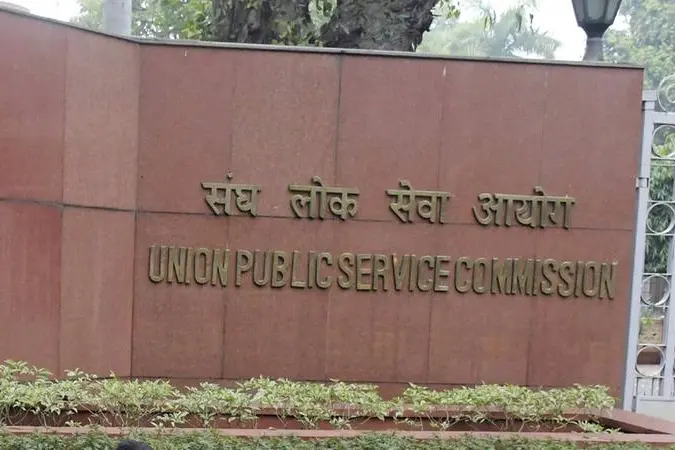
New Delhi: In a significant move towards accessibility, the Supreme Court was informed that the Union Public Service Commission (UPSC) has agreed in principle to introduce screen reader software for visually impaired candidates appearing for its examinations.
The UPSC, in an additional affidavit filed before the court, said it would implement the facility once the feasibility, necessary infrastructure, software, and secure testing systems are ensured at examination centres across the country.
The affidavit was filed in response to a plea highlighting the lack of adequate opportunities for persons with blindness or low vision in the civil services examinations.
“I say that the commission has exhaustively reviewed the matter, and it has, in principle, decided to introduce the use of screen reader software to the visually impaired candidates for various examinations conducted by the commission. However, the proper infrastructure is not yet available,” stated the affidavit, filed by the Joint Secretary of the UPSC’s examination branch.
The matter came up before a bench of Justices Vikram Nath and Sandeep Mehta, hearing a petition filed by the organisation Mission Accessibility through advocate Sanchita Ain.
Counsel for the petitioner urged the court to direct the UPSC to implement the decision in a time-bound manner so that the facility is available before the next examination cycle begins. The council also called for consultations on issues such as accessible question papers, inclusion of diagrams, and software compatibility for regional language content.
The bench, however, observed, “It is for them to consult or not consult. They know how they are preparing their question papers and how they can put them to screen readers.” The court then reserved its order in the matter.
When asked about a timeline, the UPSC’s counsel informed the bench that the facility was likely to be introduced during the next examination cycle. The bench also questioned how the provision could be limited to certain centres, noting that it would be unfair if visually impaired candidates were required to travel long distances to access such facilities.
In its affidavit, the UPSC said it does not possess its own infrastructure for conducting examinations nationwide and relies entirely on state governments, district authorities, schools, and colleges for facilities and manpower.
To ensure the availability of screen reader software, the Commission said it had written on July 7 to coordinating supervisors, including district collectors, magistrates, and divisional commissioners, requesting them to make the facility available as early as possible. Chief Secretaries of various states were also asked to take urgent action.
Between July 22 and 25, senior UPSC officials held video conferences with coordinating supervisors to discuss logistics, including the availability of computers or laptops with screen reader software, the number of visually impaired candidates per centre, procurement of software, secure digital transmission of question papers, and the identification of at least one accessible venue per city.
The UPSC also contacted the National Institute for Empowerment of Persons with Visual Disabilities (NIEPVD), Dehradun, to explore the feasibility of using its computer labs and regional centres for such examinations. A review meeting was held on July 28 between UPSC and NIEPVD officials to discuss the technical aspects of using screen readers for both objective and subjective papers.
In addition, the UPSC has approached the Department of Empowerment of Persons with Disabilities (DEPwD) to explore using the NIEPVD’s nine regional centres for examinations requiring screen reader support. The DEPwD has expressed willingness to upgrade these centres as dedicated examination venues for visually impaired candidates.
However, the department clarified that the UPSC would remain solely responsible for providing the software, ensuring secure examination protocols, formatting accessible question papers, and maintaining software hygiene.
The Commission said it is actively exploring the DEPwD’s suggestions. The affidavit also noted that, according to the Centre, introducing screen reader software for visually impaired candidates does not require any amendment to the Civil Services Examination (CSE) Rules, 2025.
PTI inputs
Published: 02 Nov 2025, 08:08 am IST
Related Topics
Disclaimer: Kindly avoid objectionable, derogatory, unlawful and lewd comments, while responding to reports. Such comments are punishable under cyber laws. Please keep away from personal attacks. The opinions expressed here are the personal opinions of readers and not that of Mathrubhumi.
