
A meeting between senior TMC MP Sudip Bandyopadhyay and Union Minister Bhupender Yadav has sparked fresh speculation over the future of the Trinamool Congress amid a growing rebellion within the party.
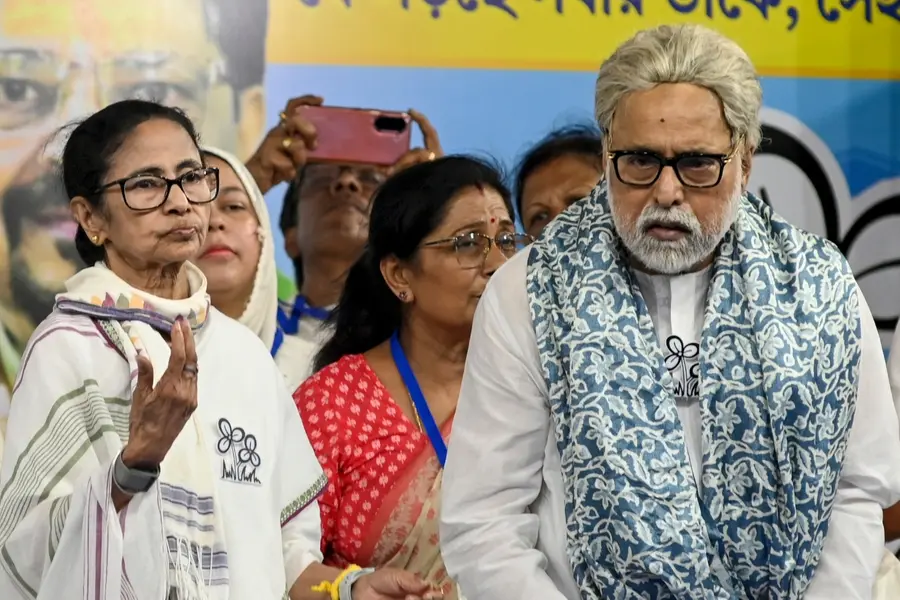
Kolkata: The political crisis within the Trinamool Congress (TMC) deepened on Saturday after senior party MP Sudip Bandyopadhyay met Union Minister Bhupender Yadav in New Delhi. The meeting, attended by rebel TMC MP Shatabdi Roy, has intensified speculation about possible shifts within the party at a time when dissident leaders are seeking recognition as a separate parliamentary faction.
The development comes just days after a group of rebel TMC MPs announced plans to approach Lok Sabha Speaker Om Birla for recognition as the “real TMC” in Parliament. Rebel leaders have claimed that a significant number of the party’s MPs are backing their faction, raising concerns for the Mamata Banerjee-led organisation.
Also Read

Political observers view the meeting as particularly significant because Bandyopadhyay is one of the party’s most senior parliamentarians and has long been regarded as a key figure in TMC’s national political strategy. His interaction with a senior BJP leader has therefore triggered intense speculation about his political future and the direction of the ongoing rebellion.
The crisis has already extended beyond Parliament. In West Bengal, a large group of TMC MLAs has broken away and secured recognition as a separate bloc in the Assembly, a move currently facing legal scrutiny. The parliamentary rebellion has further increased pressure on the party leadership following its setback in the 2026 Assembly elections.
Several TMC leaders reacted sharply to the Delhi meeting. Party spokesperson Kunal Ghosh accused Bandyopadhyay of prioritising personal ambitions over party interests, while BJP leaders suggested the development reflected deeper unrest within the Trinamool Congress.
The meeting has added a fresh layer of uncertainty to West Bengal politics, with analysts closely watching whether more leaders join the rebel camp in the coming days. If additional senior MPs align with the dissident group, it could significantly reshape the political landscape and weaken the position of the Mamata Banerjee-led faction both in Parliament and in the state.
(With PTI inputs)
Published: 13 Jun 2026, 08:33 pm IST
Disclaimer: Kindly avoid objectionable, derogatory, unlawful and lewd comments, while responding to reports. Such comments are punishable under cyber laws. Please keep away from personal attacks. The opinions expressed here are the personal opinions of readers and not that of Mathrubhumi.