
Cold wave alert for Delhi, Jaipur, and North India; IMD warns of severe health risks.
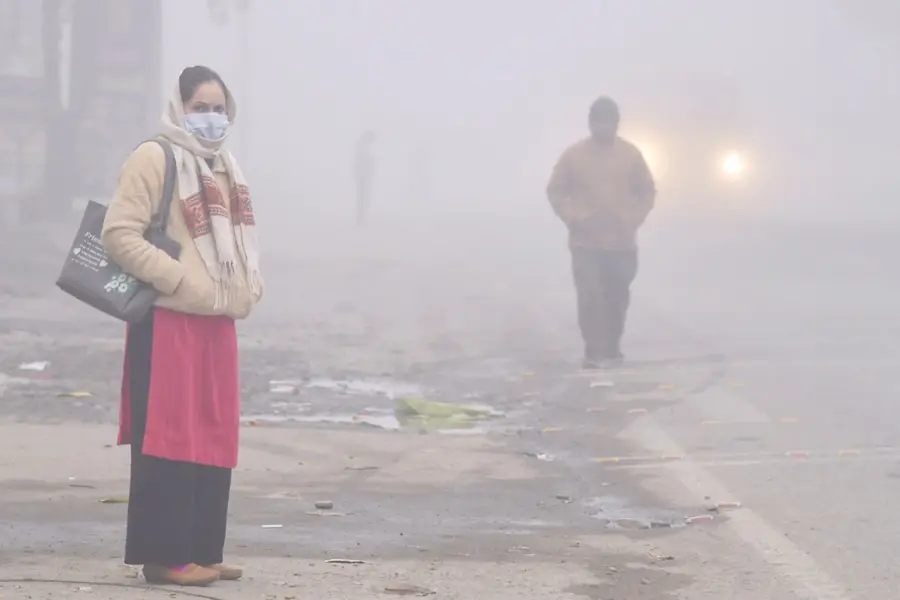
The India Meteorological Department (IMD) has issued a series of urgent alerts as a punishing cold wave sweeps across northern, central, and eastern India. With temperatures plummeting as low as 2.0°C in the plains of Rajgarh, citizens from Delhi to Kolkata are urged to prepare for a sustained period of "Severe Cold Day" conditions. Combined with dense to very dense fog and biting north-westerly winds from the Himalayas, the current weather pattern is set to disrupt transport, agriculture, and public health over the next 72 hours.
Understanding the cold wave
A cold wave is defined qualitatively as an air temperature condition that becomes fatal to the human body upon exposure. Quantitatively, the IMD declares a cold wave in the plains when the minimum temperature drops to 10°C or less, with a departure from normal between -4.5°C and -6.4°C. For hilly regions like Shimla, Manali, and Gulmarg, the threshold is 0°C or less.
A "Severe Cold Wave" is declared when the departure from normal is -6.4°C or lower, or the actual minimum temperature hits 2°C or less. These conditions are currently being driven by a Western Disturbance and a high-speed Subtropical Westerly Jet Stream prevailing over northwest India.
Forecast for the next three days
Residents searching for the Delhi temperature today or the weather in Jaipur should prepare for the following conditions between 7 January and 10 January:
• 7 January: Cold wave conditions are very likely in Delhi, Haryana, Punjab, Chandigarh, Madhya Pradesh, Chhattisgarh, Jharkhand, Odisha, and Vidarbha. "Cold Day" conditions will persist in Bihar, Uttar Pradesh, Uttarakhand, West Bengal, and Sikkim. Dense to very dense fog will likely blanket Rajasthan, UP, Punjab, and the Delhi-NCR region, severely impacting visibility.
• 8 January: The cold wave will expand into Rajasthan, while continuing in Delhi, Punjab, and Haryana. Heavy fog will persist in East Rajasthan, Uttar Pradesh, and the Indo-Gangetic plains.
• 9 January: Biting cold remains likely in Punjab, Haryana, Delhi, and Rajasthan. While some regions may see a slight rise in temperature thereafter, Rajasthan will continue to experience cold wave conditions through 11 January.
In areas like Kolkata, Mumbai, and Indore, temperatures are generally expected to remain near normal or see a gradual rise of 2-3°C after the initial 24-hour period. However, those in Kashmir, Srinagar, and Ladakh should note that isolated light snowfall remains a possibility due to the cyclonic circulation over north Pakistan.
Severe health risks and symptoms
Prolonged exposure to these temperatures can lead to several dangerous medical conditions. The public is advised to watch for the following:
• Hypothermia: A drop in core body temperature below 34.4°C, causing shivering, confusion, slurred speech, and drowsiness.
• Frostbite: Freezing of body tissues, often affecting fingers, toes, and the nose. Symptoms include skin turning pale, hard, and numb, followed by black blisters.
• Chilblains: Red, swollen, and itchy skin caused by cold and humid conditions.
• Carbon Monoxide Poisoning: A significant risk when using heaters in poorly ventilated rooms. Symptoms include headaches, nausea, and bright red lips.
• Dehydration and Snow Blindness: Lack of fluids can aggravate cold casualties, while UV rays reflected off snow in hilly areas can cause gritty feelings in the eyes and tearing.
Social and sectoral impact
The plummeting Lucknow, Kanpur, and Bhopal temperatures are not just a health concern; they impact the nation's infrastructure:
• Transport: Dense fog will cause flight delays and cancellations (passengers are advised to check with AirIndia and other carriers), train diversions, and difficult driving conditions on highways.
• Agriculture: Cold waves can cause black rust, white rust, and late blight in crops. Farmers are advised to use light surface irrigation, organic mulching, and "jhuggies" (straw shelters) to protect young plants.
• Livestock: Animals require more food for energy in the cold. Owners should cover habitats, provide fat supplements, and use dry straw bedding.
• Utilities: Extreme cold may cause water pipes to freeze and power lines to trip.
Essential safety measures
To mitigate the impact, the NDMA recommends the following actions:
1. Dress in layers: Multiple layers of thin, loose-fitting woollen clothes are more effective than one heavy layer.
2. Protect extremities: Use mittens instead of gloves, and ensure your head, neck, and toes are covered, as these areas lose the most heat.
3. Nutrition: Eat fruits and vegetables rich in Vitamin-C to maintain immunity and drink regular hot fluids.
4. Stay Indoor: Minimize travel and avoid alcohol, as it actually reduces body temperature.
5. Heater safety: Ensure proper ventilation if using coal or gas heaters to prevent toxic fume inhalation.
Published: 07 Jan 2026, 02:58 pm IST
Related Topics
Disclaimer: Kindly avoid objectionable, derogatory, unlawful and lewd comments, while responding to reports. Such comments are punishable under cyber laws. Please keep away from personal attacks. The opinions expressed here are the personal opinions of readers and not that of Mathrubhumi.
