
Supreme Court to decide on the right to die with dignity for Harish Rana, a man in a vegetative state since 2013.
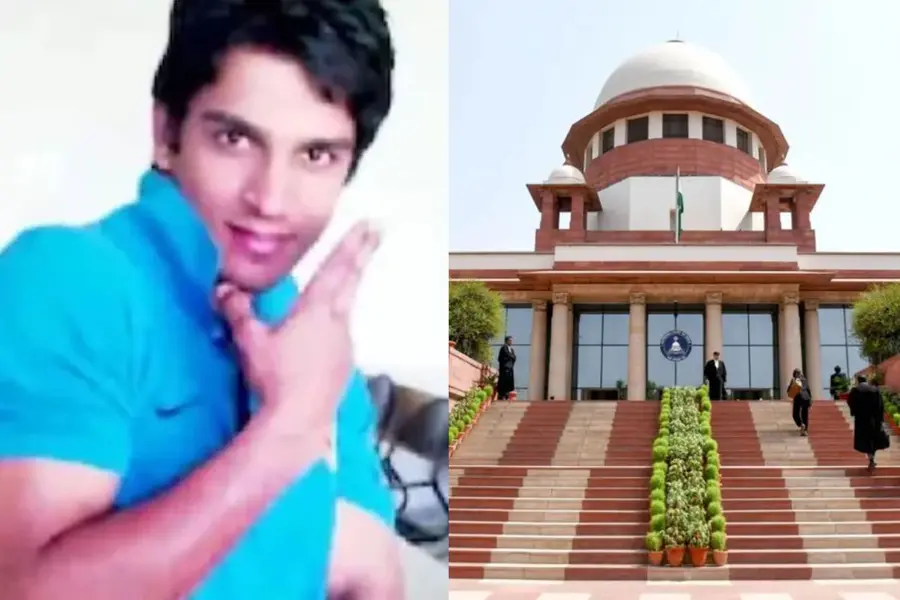
For more than a decade, time has stood still for Harish Rana. Since a tragic accident in 2013, the Delhi resident has existed in a permanent vegetative state, unable to move, speak, or recognise his own family. His life is sustained entirely through medical tubes that handle his breathing and nutrition. Today, March 11, 2026, the Supreme Court of India is scheduled to deliver a judgment that will decide whether Harish can finally be allowed to pass away naturally.
The heartache began on the day of Rakhi in 2013. Harish was a civil engineering student at the time when he suffered a devastating fall from a fourth-floor balcony. The resulting brain injuries were so severe that they left him with 100% disability. Since then, he has been under long-term care at AIIMS, but doctors have consistently reported that his chances of recovery are non-existent.
The emotional and financial weight of his care has been overwhelming for his parents. They even sold their home in Delhi to keep up with his medical expenses and moved to Ghaziabad to stay near his hospital. As they have aged, their worry has shifted from his treatment to his future. They finally approached the courts with a painful request: to withdraw his life support. They believe that allowing him to die naturally is the only way to grant him the dignity he deserves.
While a lower court previously denied their request because Harish was not on a ventilator, the Supreme Court took up the case to look at the broader human rights involved. The judges personally met with Harish’s parents and siblings, who spoke with one voice about wanting to end his suffering. Even the government’s legal team agreed that in cases of irreversible brain damage, nature should be allowed to take its course.
This case is about more than just one family; it is a defining moment for Indian law. If the court rules in Harish’s favor today, it will be the first practical application of the "Right to Die with Dignity" since the court first recognised euthanasia in 2018. It would set a precedent for how India balances the sanctity of life with the compassion required for those in terminal suffering.
Published: 11 Mar 2026, 10:38 am IST
Related Topics
Disclaimer: Kindly avoid objectionable, derogatory, unlawful and lewd comments, while responding to reports. Such comments are punishable under cyber laws. Please keep away from personal attacks. The opinions expressed here are the personal opinions of readers and not that of Mathrubhumi.
