
JNU protest against Modi, Amit Shah sparks FIR, political reactions, and nationwide debate on free speech.
Jawaharlal Nehru University (JNU) has become the centre of a heated controversy after students allegedly raised slogans against Prime Minister Narendra Modi and Union Home Minister Amit Shah. The incident, linked to the Supreme Court’s denial of bail to Umar Khalid and Sharjeel Imam in the 2020 Delhi riots case, has triggered police action, student responses, and political reactions.
Incident at Sabarmati Dhaba
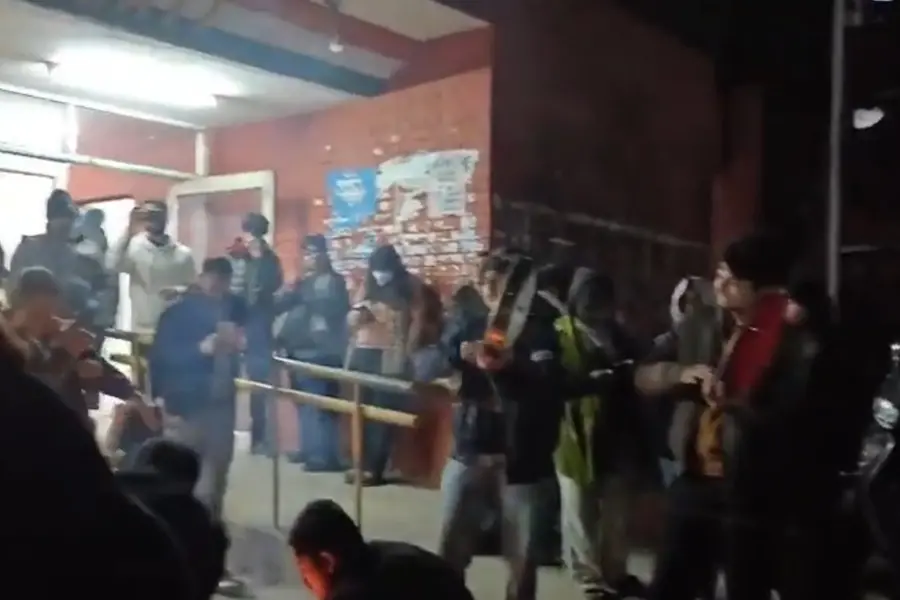
On Monday night, a protest titled “A Night of Resistance with Guerrilla Dhaba” was organised at JNU’s Sabarmati Dhaba to mark the anniversary of the January 5, 2020, campus violence, in which masked individuals attacked students and staff.
A video of the event circulated online allegedly showing students raising slogans against the prime minister and home minister after the Supreme Court denied bail to Khalid and Imam. The university claimed the slogans were "deliberate", "repeated" and had the "potential to seriously disrupt public order, campus harmony and security".
JNU named several students, including current JNUSU president Aditi Mishra, as participants. “All of the slogans raised in the protest were ideological and do not attack anyone personally. They were not directed towards anyone,” Mishra told PTI.
The university administration registered an FIR and launched an internal inquiry. A letter from JNU to the Vasant Kunj (North) police described the slogans as "highly objectionable, provocative and inflammatory", alleging contempt of the Supreme Court and a wilful disregard for constitutional institutions.
Delhi Police probe
A senior police officer confirmed that an investigation has been launched. CCTV footage and videos of the protest are being examined. According to the university, the gathering initially involved 30–35 students commemorating the January 2020 violence. However, the nature of the event shifted after the Supreme Court verdict on Khalid and Imam's bail.
The university emphasised that “all stakeholders must understand the clear distinction between dissent and abuse and hate speech which lead to public disorder,” and warned that students violating rules may face disciplinary measures including suspension, expulsion, or permanent debarment.
Students’ union defends protest
The Jawaharlal Nehru University Students’ Union (JNUSU) defended the protest, asserting it promotes "peaceful and democratic modes of agitation". It accused sections of the media of misrepresenting the vigil and deflecting attention from the 2020 attacks.
"The JNUSU had organised a vigil on 5 January 2026 to keep the memory of the 2020 attacks on JNU alive and to highlight the above-mentioned pattern of injustice at Sabarmati Hostel," the union said, adding that Delhi Police had failed to bring the perpetrators of the 2020 attacks to justice.
The ABVP condemned the protest, describing the slogans as evidence of a longstanding "anti-national mindset". The student body claimed that calls to "dig graves" for the prime minister, home minister, RSS, and ABVP were raised.
Political reactions
Union Ministers Kiren Rijiju and Piyush Goyal, along with Delhi ministers Kapil Mishra, Manjinder Singh Sirsa, and Ashish Sood, criticised the slogans, linking them to "Urban Naxal" tendencies and alleging support from opposition parties.
Kapil Mishra said, "Snakes are being crushed and the snakelets are screaming. Those who are chanting slogans in support of criminals, Naxalites, and terrorists have now become frustrated because their evil plans are being shattered one by one. Those supporting these criminals should be given severe punishment."
Maharashtra Chief Minister Devendra Fadnavis weighed in on Tuesday, stating, "The offspring of Sharjeel Imam were born at JNU. We will crush such wicked intentions, which stand with the country's traitors, with those who speak the language of breaking the country."
Meanwhile, Congress leader Prithviraj Chavan criticised the continued incarceration of Umar Khalid and Sharjeel Imam. Speaking in Mumbai, Chavan described the denial of bail as "quite a controversial decision" and said, "They should be tried in the court of law. The entire world is looking at India and the state of democracy and freedom of speech in India."
Ongoing tensions
The incident has intensified the debate on free speech, dissent, and the role of universities in India. With FIRs filed, an internal inquiry underway, and political figures sharply divided, JNU remains at the centre of a national controversy.
Published: 07 Jan 2026, 08:43 am IST
Related Topics
Disclaimer: Kindly avoid objectionable, derogatory, unlawful and lewd comments, while responding to reports. Such comments are punishable under cyber laws. Please keep away from personal attacks. The opinions expressed here are the personal opinions of readers and not that of Mathrubhumi.
