
The Centre has introduced the Public Examinations Amendment Bill, 2026, proposing tougher punishments, fast-track courts, Special Task Forces and time-bound investigations to crack down on paper leaks and exam fraud.
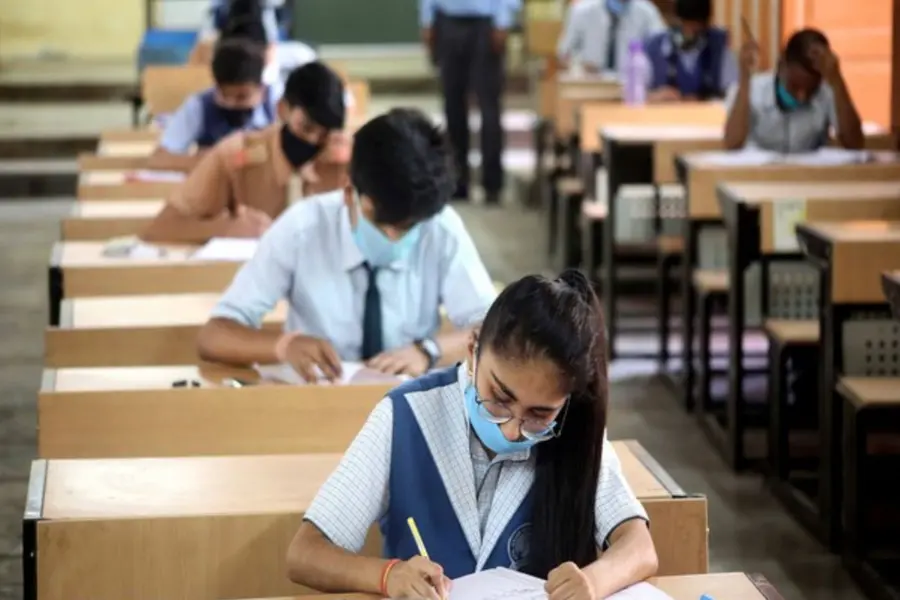
The Centre has introduced the Public Examinations (Prevention of Unfair Means) Amendment Bill, 2026 in the Lok Sabha, proposing sweeping changes to India's anti-paper leak law with significantly tougher punishments, mandatory time-bound investigations and the creation of Special Fast Track Courts for speedy disposal of cases.
Introduced by Union Minister of State Dr Jitendra Singh, the Bill seeks to amend the Public Examinations (Prevention of Unfair Means) Act, 2024, which was enacted to prevent unfair practices in public examinations conducted by government authorities.
The proposed amendments come against the backdrop of repeated question paper leak incidents and examination malpractices in recent years that have raised concerns over the credibility and transparency of recruitment and entrance examinations across the country.
According to the Statement of Objects and Reasons, the government believes stricter penalties, faster investigations and quicker trials are necessary to deter organised exam fraud, ensure accountability and restore public confidence in the examination system.
What the Bill seeks to achieve
- Strengthen the integrity and credibility of public examinations.
- Prevent question paper leaks and organised examination fraud.
- Introduce stricter punishment to deter offenders.
- Ensure investigations are completed within a fixed timeline.
- Enable speedy trials through Special Fast Track Courts.
- Allow the Centre to constitute Special Task Forces for sensitive investigations.
- Provide dedicated Special Public Prosecutors for prosecution.
- Establish a dedicated appeal mechanism with time-bound disposal.
How the Bill proposes to achieve this
1. Tougher punishment for offenders
- Minimum imprisonment for unfair means increased from three years to five years.
- Maximum imprisonment increased from five years to ten years.
- Maximum fine increased from ₹10 lakh to ₹50 lakh.
2. Heavier penalties for service providers
- Maximum fine increased from ₹1 crore to ₹5 crore.
- Debarment from conducting public examinations increased from four years to eight years.
- Examination costs can continue to be recovered from erring service providers.
3. Stricter punishment for company officials
- Directors and senior management found complicit in offences will face a minimum five-year jail term, instead of three years.
- Fine increased from ₹1 crore to ₹5 crore.
4. Harsher action against organised crime
- Minimum imprisonment for organised exam fraud increased from five years to seven years.
- Minimum fine increased from ₹1 crore to ₹10 crore.
5. Time-bound investigations
- Investigations by police, a Central Investigating Agency or a Special Task Force must be completed within two months.
6. Special Task Forces
- The Central Government can constitute a Special Task Force (STF) to investigate offences under the Act whenever required.
- Once an STF is constituted for a case, it alone will conduct the investigation.
7. Special Fast Track Courts
- States and Union Territories will designate Courts of Session as Special Fast Track Courts.
- Trials will be conducted on a day-to-day basis.
- Every trial should be completed within three months from filing of the chargesheet.
- Pending cases under the Act will also be transferred to these courts and completed within three months of transfer.
8. Special Public Prosecutors
- Every State and Union Territory will appoint one or more Special Public Prosecutors exclusively for cases under the Act.
9. Appeals
- Appeals against judgments of Special Fast Track Courts will lie before a Division Bench of the High Court.
- Appeals should, as far as possible, be decided within three months of admission.
- Appeals against bail orders will also be maintainable before the High Court.
If passed by Parliament, the amendment is expected to substantially tighten India's legal framework against paper leaks and organised examination fraud by combining stricter punishment with faster investigation and trial mechanisms.
Published: 27 Jul 2026, 12:53 pm IST
ABOUT THE AUTHOR

Disclaimer: Kindly avoid objectionable, derogatory, unlawful and lewd comments, while responding to reports. Such comments are punishable under cyber laws. Please keep away from personal attacks. The opinions expressed here are the personal opinions of readers and not that of Mathrubhumi.