
After the TMC’s shock defeat to the BJP in the Bengal Assembly polls, Chief Minister Mamata Banerjee has refused to resign, sparking a massive constitutional debate over Governor’s powers, Article 356 and the possibility of President’s Rule.
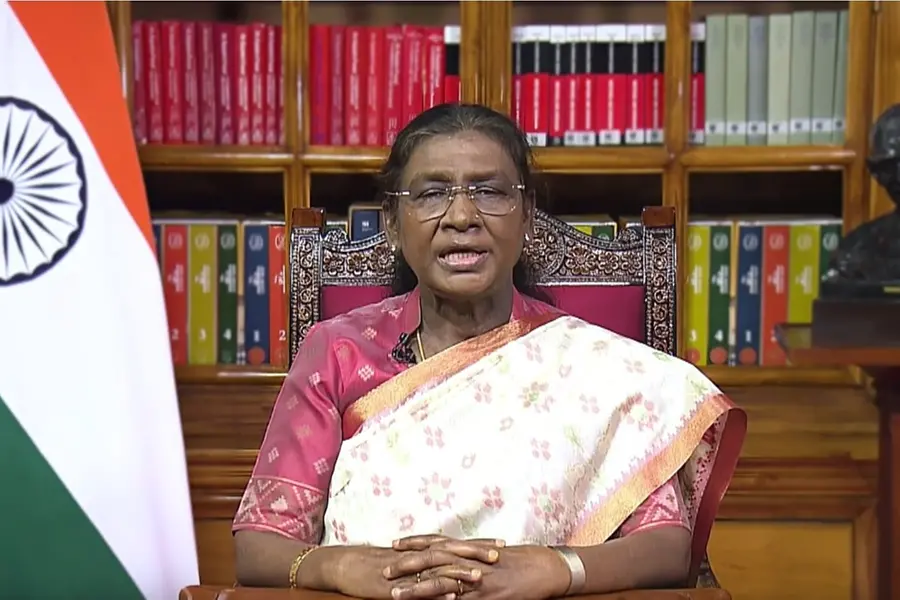
West Bengal appears headed for a dramatic constitutional face-off after Chief Minister Mamata Banerjee refused to resign despite the Trinamool Congress (TMC) losing the Assembly elections to the Bharatiya Janata Party (BJP), opening the door to the possibility of President’s Rule in the state.
With the BJP preparing to form the next government and the swearing-in expected on Saturday, questions are now mounting over what happens if the outgoing chief minister refuses to step down before the current Assembly’s term ends on May 7.
Former chief election commissioner SY Quraishi said the Constitution provides the governor with the authority to intervene if a government that has lost its mandate refuses to vacate office.
“In such a rare situation, the governor can seek the chief minister’s resignation. If that does not happen, Article 356 can be invoked, citing a breakdown of constitutional machinery,” Quraishi told The Telegraph Online.
That could briefly push Bengal under President’s Rule before the incoming BJP government formally takes charge.
Quraishi, however, clarified that Banerjee cannot legally be forced out before the current House completes its tenure.
“The term of the House ends on May 7. Till then, she cannot be compelled to resign. But once the term expires, both the House and the government cease to exist. There cannot be two chief ministers at the same time,” he said.
The constitutional uncertainty has intensified political tensions in Bengal after the BJP secured a historic victory over the TMC in one of the most fiercely fought Assembly elections in the state’s history.
Legal experts say the governor’s next move will be crucial if the political deadlock continues beyond the expiry of the Assembly’s term.
Article 356, commonly known as President’s Rule, can be imposed when the Centre determines that the constitutional machinery in a state has failed.
The development has triggered a nationwide political debate, with the Opposition likely to accuse the Centre of using constitutional provisions for political purposes, while the BJP argues that democratic transition cannot be obstructed after an electoral defeat.
Published: 07 May 2026, 09:52 am IST
Related Topics
Disclaimer: Kindly avoid objectionable, derogatory, unlawful and lewd comments, while responding to reports. Such comments are punishable under cyber laws. Please keep away from personal attacks. The opinions expressed here are the personal opinions of readers and not that of Mathrubhumi.
