
External Minster S Jaishankar calls for swift justice for Pahalgam attack perpetrators after talks with US Secretary of State Rubio.
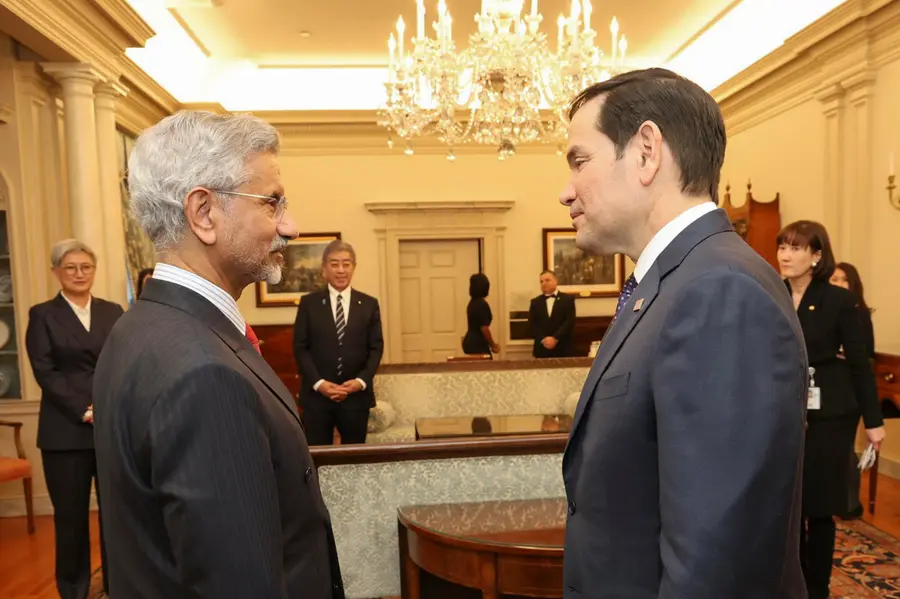
New Delhi: The aftermath of the brutal Pahalgam terror attack, which claimed 26 lives and left many others injured, has seen international attention as the United States steps in. Following phone talks with US Secretary of State Marco Rubio, Indian External Affairs Minister S. Jaishankar reiterated the importance of holding the perpetrators, their backers, and planners accountable for the attack. Rubio also urged Pakistan Prime Minister Shehbaz Sharif to condemn the attack and take steps to de-escalate tensions with India, fostering peace and security in the South Asian region.
In response to the attack, which was claimed by Pakistan-sponsored terrorists, India has escalated anti-terror operations in Kashmir. The attack on April 22 has triggered a series of retaliatory actions by India, including military responses to ceasefire violations across the Line of Control (LoC). The Indian government has also implemented measures such as suspending the Indus Water Treaty and restricting Pakistan's use of Indian airspace.
Prime Minister Narendra Modi had earlier vowed to trace and punish every individual linked to terrorism, affirming that India would pursue those responsible across the globe. Meanwhile, Jaishankar's talks with Rubio reflected a united front between the US and India in holding terrorists accountable for their actions.
The increasing tension along the LoC has raised concerns, and with the election success in Jammu and Kashmir, this attack is seen as a deliberate attempt to disrupt the region's progress. As both nations continue to take stringent measures, the call for justice remains at the forefront of diplomatic conversations.
The Pahalgam terror attack, which took place on April 22, 2025, continues to spark intense political and diplomatic discussions. At least 26 people, mostly tourists, lost their lives in the attack, which was attributed to Pakistan-based terrorist groups. The violence has led to a significant uptick in ceasefire violations along the LoC, with Indian security forces responding swiftly to Pakistan Army's firing along the border.
The United States has strongly condemned the attack, with Secretary of State Marco Rubio urging Pakistan to take action against the perpetrators and help ease tensions with India. Rubio emphasized the need for Pakistan to cooperate in the investigation and work towards stabilising the region. Jaishankar, speaking after the talks, reinforced India's stance that the masterminds behind the attack must be brought to justice.
In retaliation, India has taken a series of strategic measures, including suspending the Indus Water Treaty, which governs the water-sharing agreement between the two countries. The diplomatic isolation of Pakistan has also been marked by the closure of the Attari Integrated Check Post and restrictions on bilateral air traffic. India has signaled its readiness to take further action, with the Cabinet Committee on Security (CCS) convening to address the cross-border nature of the attack.
With Modi's earlier statements promising relentless pursuit of those responsible, the Indian government has made it clear that it will not tolerate acts of terrorism aimed at destabilising the region. The military's firm stance against Pakistan's provocations along the LoC underscores India's resolve to protect its territorial integrity and ensure justice for those affected by the Pahalgam attack.
(With PTI inputs)
Published: 01 May 2025, 08:23 am IST
Disclaimer: Kindly avoid objectionable, derogatory, unlawful and lewd comments, while responding to reports. Such comments are punishable under cyber laws. Please keep away from personal attacks. The opinions expressed here are the personal opinions of readers and not that of Mathrubhumi.
