
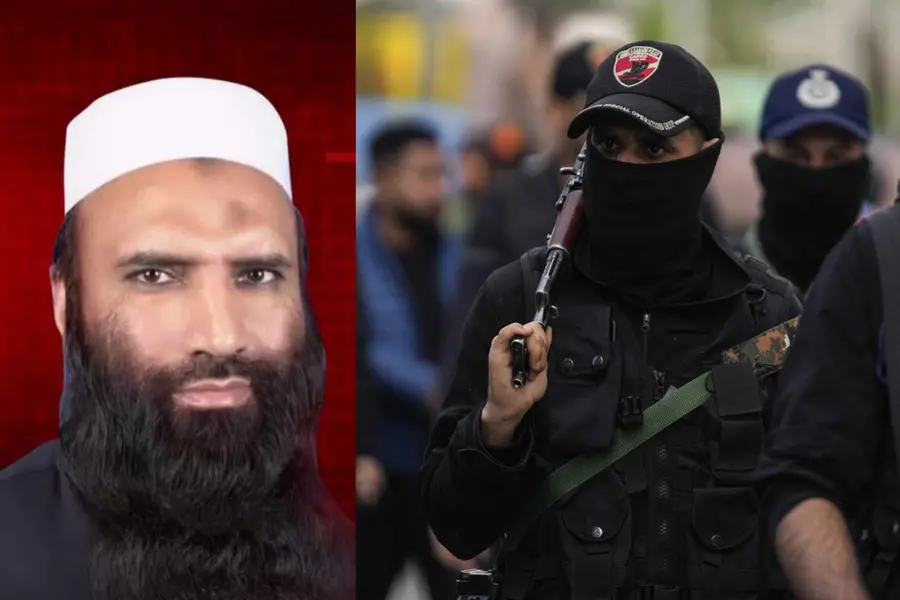
The April 22 terror attack at Pahalgam in Jammu and Kashmir that claimed the lives of 26 people including foreign nationals, is now emerging as one of the deadliest incidents since the revocation of Article 370 in 2019. Investigations suggest the strike was meticulously planned and executed by the Lashkar-e-Taiba (LeT) and its proxy, The Resistance Front (TRF), with the coordination of key figures operating from Pakistan and Pakistan-occupied Kashmir (PoK).
Saifullah Kasuri: The architect of the attack
Intelligence officials believe Saifullah Kasuri, alias Khalid—a senior Lashkar-e-Taiba commander and a close associate of Hafiz Saeed—was the key planner behind the Pahalgam attack. Kasuri, known for directing cross-border infiltrations, is suspected of remotely coordinating the ambush from his base in PoK. He is said to oversee both LeT's operational strategies and TRF's militant activities in the Kashmir Valley.
Kasuri’s affiliation with the LeT goes back several years, and his prominence within the organisation is underscored by his past role as the head of the group’s Peshawar headquarters. According to US and Indian intelligence reports, he has also been linked to the political wing of Jamaat-ud-Dawa (JuD), the Milli Muslim League (MML), and has served on JuD's central coordination committees.
His name has appeared in several global sanctions lists, including those of the United States and the United Nations, underscoring his longstanding involvement in global terrorism. Reports indicate that Kasuri played a strategic role in facilitating the recent infiltration of militants who executed the Pahalgam strike.
Asif Fauji: The local commander who led the assault
While Kasuri is seen as the mastermind, the actual strike in Pahalgam is believed to have been led on the ground by a TRF operative identified as Asif Fauji. Sketches released by Jammu and Kashmir Police revealed that he was one of three attackers, alongside Suleman Shah and Abu Talha.
Sources suggest that Fauji may have been a local operative from Bijbhera or Tral, although conflicting reports claim he could have served with the Pakistan Army—hence the title ‘Fauji’.
Eyewitnesses reported that at least two of the assailants spoke Pashto, implying the presence of Pakistani nationals in the group. Intelligence agencies have traced the digital footprints of the attackers to safe houses in Karachi and Muzaffarabad, further strengthening suspicions of Pakistan’s involvement.
The Resistance Front: A proxy rebranded
Formed in the aftermath of the Article 370 abrogation, The Resistance Front is seen by Indian security agencies as a rebranded front for LeT, designed to project Kashmiri militancy as a homegrown resistance. Intelligence officials claim that the TRF was created to obscure the group's religious underpinnings and to present a politically palatable narrative to global audiences.
The group has since claimed responsibility for several high-profile attacks, including Tuesday’s massacre. The Ministry of Home Affairs has officially designated TRF a terrorist organisation under the Unlawful Activities (Prevention) Act (UAPA), citing its role in recruiting youth online, facilitating arms smuggling and executing targeted killings.
Signals from across the border
The timing of the attack has raised additional concerns. Just days before the massacre, two separate speeches delivered in Pakistan have drawn attention from Indian intelligence agencies. Pakistani Army Chief General Asim Munir reportedly made remarks invoking the Two-Nation Theory and highlighting differences between Hindus and Muslims, which Indian officials interpreted as a veiled signal to terror outfits to regroup.
Another inflammatory speech was made by LeT commander Abu Musa in PoK's Rawalakot, where he called for jihad and violence in Kashmir. The gathering was held in memory of two slain militants and was attended by several senior terrorist leaders, pointing to a possible endorsement by elements within Pakistan’s security establishment.
Strategic objectives and implications
The Pahalgam terror strike took place in a high-footfall tourist zone, targeting civilians apparently to instil fear and disrupt the relative calm seen in Kashmir in recent years. It also coincided with key international and diplomatic engagements, including the visits of US Vice President JD Vance to India and Prime Minister Narendra Modi’s visit to Saudi Arabia—suggesting a deliberate attempt to draw global attention.
With investigations still underway and search operations ongoing, officials are cautious about drawing final conclusions. However, the contours of the operation already point to a transnational terror plan orchestrated by long-standing actors in the Pakistan-based LeT network, carried out through its regional proxy, TRF, with operational support from ground commanders like Asif Fauji.
As the situation unfolds, security agencies remain on high alert across northern India, especially in regions with major tourist presence and sensitive border areas.
Published: 23 Apr 2025, 03:46 pm IST
Related Topics
Disclaimer: Kindly avoid objectionable, derogatory, unlawful and lewd comments, while responding to reports. Such comments are punishable under cyber laws. Please keep away from personal attacks. The opinions expressed here are the personal opinions of readers and not that of Mathrubhumi.
