
The Resistance Front (TRF), a proxy outfit of the Pakistan-based terror group Lashkar-e-Taiba (LeT), claimed responsibility for the Pahalgam attack, which left multiple civilians dead.
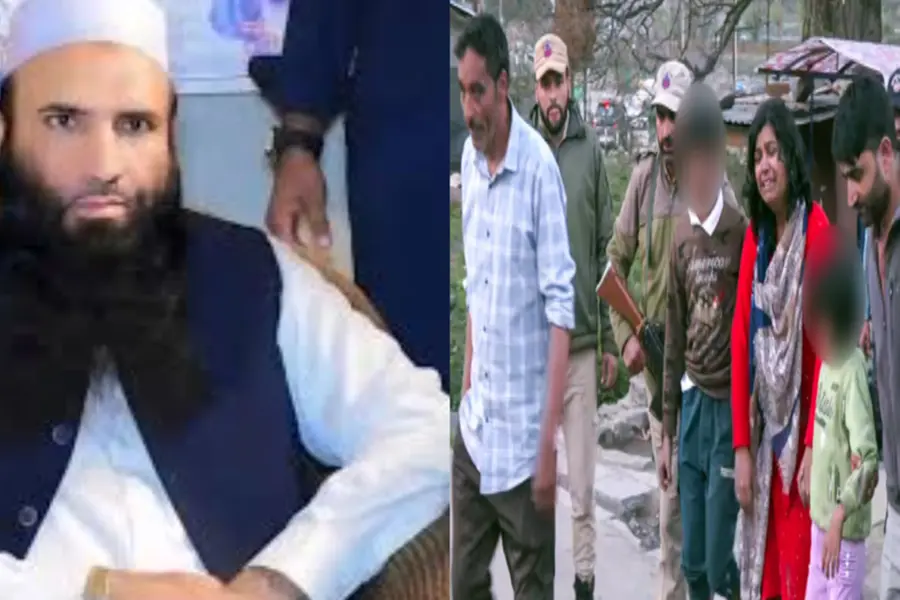
Intelligence assessments suggest that top LeT commander Saifullah Kasuri, also known as Khalid, is suspected to be among the key plotters. Investigative agencies are also examining the role of two Rawalkot-based LeT operatives, including a commander identified as Abu Musa.
On April 18, Musa reportedly held a public event in Rawalkot where he reiterated calls for jihad and threatened continued violence in Kashmir. "Jihad will continue, guns will rage and beheading will continue in Kashmir," he declared. He also alleged that India was attempting to alter the region's demography through domicile certificates to non-locals.
Disturbingly, many of the victims in the Pahalgam attack were reportedly forced to recite the kalma, the Islamic declaration of faith. Those who failed to do so were shot dead, sources said.
Multiple media outfits had reported that Indian intelligence agencies had already flagged a spike in anti-Hindu rhetoric among Pakistan-based terror groups. This surge in inflammatory messaging, coinciding with protests over recent amendments to the Waqf Act, is believed to be part of a broader strategy to incite violence and rally support for terror activities in the Valley.
Preliminary assessments indicate that six terrorists, aided by local operatives, were involved in the Pahalgam attack.
"It appears the group arrived a few days before the strike, conducted reconnaissance, and attacked when the opportunity presented itself," the Times of India reported citing an intelligence official, adding, "There were prior inputs in early April suggesting that hotels were being surveyed by suspected terrorists, so this cannot be termed an intelligence failure."
Published: 23 Apr 2025, 08:51 am IST
Related Topics
Subscribe to our Newsletter
Disclaimer: Kindly avoid objectionable, derogatory, unlawful and lewd comments, while responding to reports. Such comments are punishable under cyber laws. Please keep away from personal attacks. The opinions expressed here are the personal opinions of readers and not that of Mathrubhumi.
