
New Delhi: Officials report that about 51 percent of the applications received under the PM CARES for Children scheme for COVID orphans have been rejected. Launched at the peak of COVID-19 cases in India on May 29, 2021, the PM CARES for Children Scheme aims to support children who lost their parents, legal guardians, adoptive parents, or surviving parents to the pandemic between March 11, 2020, and May 5, 2023.
As per official data, a total of 9,331 applications from 613 districts across 33 states and union territories (UTs) were received under the scheme. However, only 4,532 applications from 558 districts in 32 states and UTs were approved, while 4,781 applications were rejected and 18 are pending approval, according to data shared by the Women and Child Development Ministry with PTI. No specific reason has been given by the ministry for the rejections.
Among the states, Rajasthan, Maharashtra, and Uttar Pradesh reported the highest number of applications, with 1,553, 1,511, and 1,007 applications, respectively. Approval rates in these states stand at 855 applications from Maharashtra, 210 from Rajasthan, and 467 from Uttar Pradesh.
The scheme's objective is to ensure comprehensive care and protection of these children in a sustained manner, providing health insurance, educational empowerment, and financial support until they reach 23 years of age.
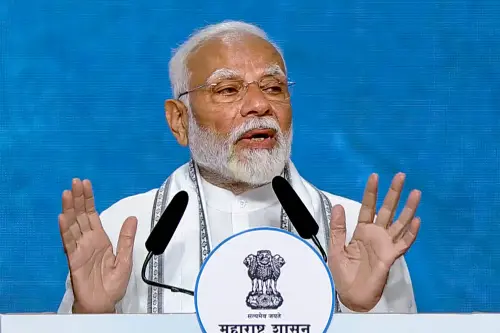
The PM CARES Fund, established on 27 March 2020 amidst the COVID-19 pandemic in India, bears the name of the Prime Minister and employs the State Emblem of India. Despite this, it operates as a private fund under the discretion of the Prime Minister and its trustees, separate from the Government of India's accounts. Created to address the effects of the pandemic in India, the Fund's full documentation remains undisclosed. The Prime Minister of India, Narendra Modi, serves as its chairman, with trustees including Minister of Defence Rajnath Singh, Minister of Home Affairs Amit Shah, Minister of Finance Nirmala Sitharaman, along with corporate leaders like Ratan Tata and Sudha Murty.
(Inputs from PTI)
Published: 16 Jul 2024, 12:56 pm IST
Related Topics
Disclaimer: Kindly avoid objectionable, derogatory, unlawful and lewd comments, while responding to reports. Such comments are punishable under cyber laws. Please keep away from personal attacks. The opinions expressed here are the personal opinions of readers and not that of Mathrubhumi.
