
“This strike was the culmination of a plan that had been in the works for quite some time—how to hit Pakistan, hit them decisively”
New Delhi/Srinagar: Veterans and defence experts have welcomed India’s bold and calculated military response to the Pahalgam terror attack, in which 26 civilians were killed.
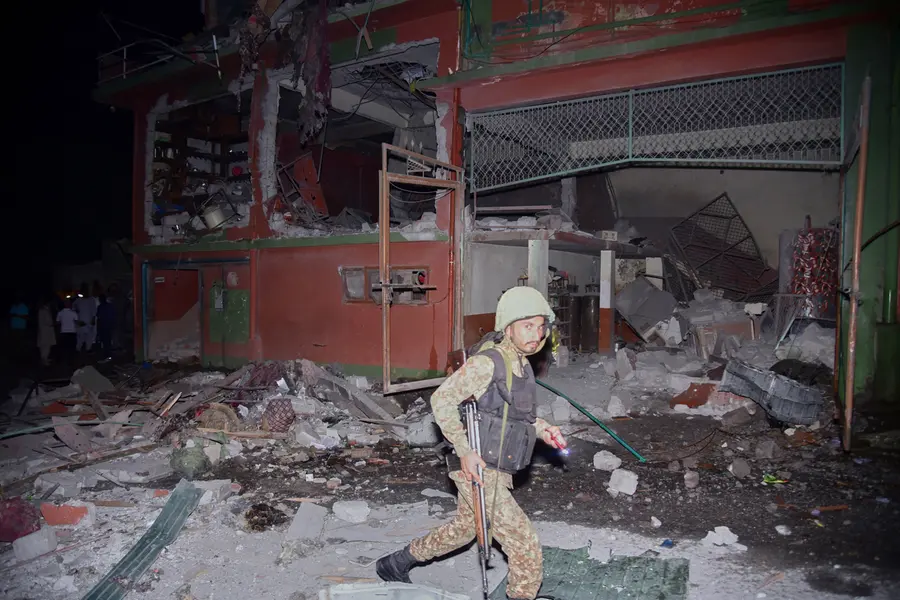
At 1:44 am on Wednesday, India launched a precision strike deep inside Pakistan and Pakistan-occupied Kashmir (PoK). Operation Sindoor specifically targeted terrorist infrastructure belonging to outfits like Lashkar-e-Taiba and Jaish-e-Muhammad, located in areas such as Bahawalpur and Muridke.
According to Lt Col Anil Bhatt (retd), the operation was the result of meticulous intelligence gathering. “I think it's been a brilliant move by the Indian Army, Navy and Air Force of launching precision-guided munitions and loitering munitions in the areas of Bahawalpur, Muridke, in Pakistan and Pakistan-occupied Kashmir locations in these two places. And these must have been very well researched by way of intelligence of locations and these positive they will be on locations of terrorist groups like the Lashkar-e-Taiba and Jaish-e-Muhammad,” he said.
Describing the gravity of the operation and its broader strategic objectives, Brigadier Vijay Sagar Dheman (retd) noted, “The Prime Minister was being briefed live about the situation at his residence. The CCS (Cabinet Committee on Security) meeting scheduled for tomorrow will assess the situation, and decisions will be made based on the available options. As I’m saying, our entire plan to finish terrorism in Pakistan, this is just Phase One. There are still many more decisions to be taken.”
Brigadier Dheman emphasized the Indian Army’s preparedness to respond to Pakistani retaliation. “Look, taking action is necessary. The Pakistani army has already started retaliation. They have begun shelling and attacking across the entire Line of Control (LoC) and the International Border, targeting the civilian population. This is the same cowardly act they’ve repeated targeting civilians because they can’t take on the army. The army is giving them a befitting and strong response. The troops deployed along the LoC are countering them effectively,” he stated.
He further added, “Look, this strike was the culmination of a plan that had been in the works for quite some time—how to hit Pakistan, hit them decisively. And we have specifically proven that this is our attack; it’s not an escalation of war. We haven’t started a war against Pakistan. We have targeted those terrorists who carried out the cowardly act in our country, in which 26 of our people were martyred in Pahalgam. So, this was a well-thought-out strike on nine locations. Pakistan’s statement has also come out; they have acknowledged that 24 of their sites have been damaged, and there has been significant destruction.”
Defence expert Captain Anil Gaur (retd) pointed out the symbolic importance of the name Operation Sindoor, stating, “The way our Prime Minister had said that when India takes action, it will be a massive action—this has begun. It has been named Operation Sindoor because this action was taken against those who erased the sindoor (vermilion) of our mothers in Pahalgam. Inside Pakistan, where the Air Force's Rafale jets carried out attacks, and in Bahawalpur, where Masood Azhar's major hideout was located—a training camp and other terrorist camps were targeted.”
On the diplomatic and strategic implications, foreign affairs expert Robinder Sachdev remarked, “India’s airstrike was highly calculated and precise. India had to respond to the Pahalgam attack. Our doctrine now is ‘Tit for Tat’, if you attack us, we will definitely respond. It was necessary for India to give a strong reply. Pakistan should not escalate the situation. There is immense pressure on Pakistan to avoid escalation. Our strikes targeted only terrorist locations. Pakistan has no legitimate reason to go to war with India.”
The government has yet to officially confirm the full extent of the operation, but early reports suggest substantial damage to terror launch pads and command centers. India maintains that the strikes were focused solely on non-civilian, terror-related infrastructure, underlining a policy of firm but restrained retaliation.
Published: 07 May 2025, 07:18 am IST
Disclaimer: Kindly avoid objectionable, derogatory, unlawful and lewd comments, while responding to reports. Such comments are punishable under cyber laws. Please keep away from personal attacks. The opinions expressed here are the personal opinions of readers and not that of Mathrubhumi.
