
A key change in the 2025 guidelines is the formal recognition of non-transport (private) motorcycles for use in passenger journeys via aggregator platforms, subject to approval by state governments
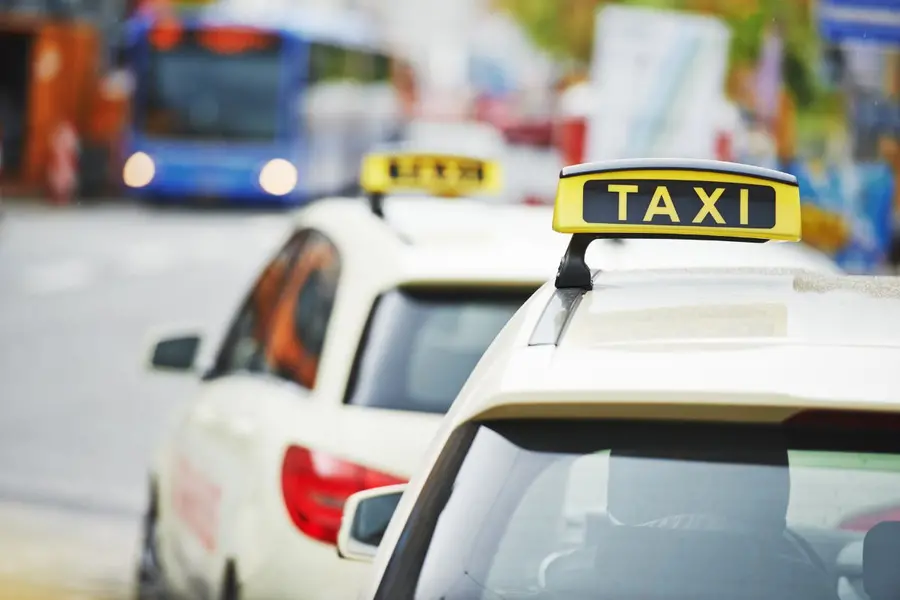
Cab aggregators will now be permitted to charge passengers up to twice the base fare during peak traffic hours, according to the Motor Vehicles Aggregator Guidelines (MVAG) 2025 issued by the Ministry of Road Transport and Highways on 1 July. This marks a significant change from the earlier cap, which limited surge pricing to 1.5 times the base fare.
The updated guidelines aim to provide greater flexibility to ride-hailing platforms during periods of high demand, while still maintaining a regulatory framework to oversee pricing and operational standards. States have been advised to implement the revised guidelines within the next three months.
What are the changes?
A key change in the 2025 guidelines is the formal recognition of non-transport (private) motorcycles for use in passenger journeys via aggregator platforms, subject to approval by state governments. The provision, which addresses a long-standing regulatory gap, is intended to ease traffic congestion, reduce pollution, and enhance access to affordable last-mile connectivity and hyperlocal deliveries.
According to Clause 23 of the guidelines, state authorities may impose daily, weekly, or fortnightly fees on aggregators operating private motorcycles under this scheme.
The move has been welcomed by key players in the bike taxi sector, including Rapido and Uber, who have often operated in regulatory uncertainty across several states. In Karnataka, for instance, a recent ban on bike taxis had led to widespread protests.
Rapido described the government’s move as a “milestone in India’s journey towards a Viksit Bharat,” adding that the regulation would expand mobility access in underserved areas. Uber also praised the guidelines, calling them a positive step toward innovation and regulatory clarity.
“Timely adoption by states will be key to ensuring uniform implementation and building much-needed predictability for all stakeholders. We commend the ministry for its consultative and balanced approach,” said an Uber spokesperson.
The MVAG 2025 replaces the 2020 guidelines, reflecting the evolving landscape of India’s shared mobility sector, which now includes electric vehicles, e-rickshaws, bike taxis, and dynamic pricing models.
Published: 02 Jul 2025, 10:18 am IST
Related Topics
Disclaimer: Kindly avoid objectionable, derogatory, unlawful and lewd comments, while responding to reports. Such comments are punishable under cyber laws. Please keep away from personal attacks. The opinions expressed here are the personal opinions of readers and not that of Mathrubhumi.
