
This new policy is expected to transform India's electric mobility landscape, creating a conducive environment for global EV manufacturers while reinforcing the country’s ambition to become a leading player in green automotive technology.
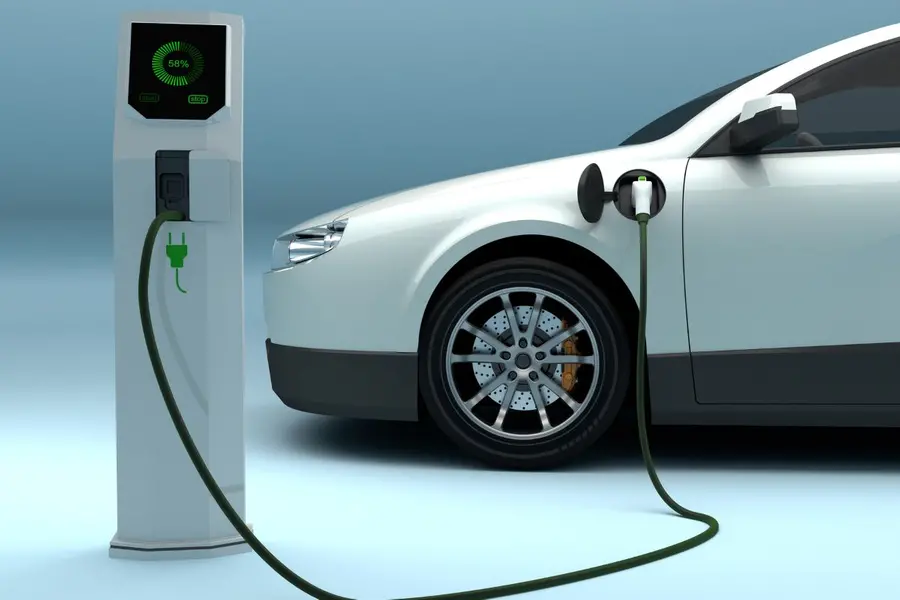
New Delhi: In a decisive move to promote the production of electric vehicles (EVs), the Central Government has introduced a fresh set of guidelines aimed at encouraging sustainable industrial growth and advancing green mobility. The Ministry of Heavy Industries has released the new policy framework with the objective of attracting higher investments into India’s EV sector and generating more employment opportunities.
Under the new policy, a portal for entrepreneurs to submit applications will be made operational soon and will remain open for a minimum of 120 days. The application fee has been fixed at ₹5 lakh, which is non-refundable. Only companies that have earned at least ₹10,000 crore from vehicle manufacturing and hold a minimum of ₹3,000 crore in fixed asset investments are eligible to apply.
Union Minister H D Kumaraswamy stated that the new policy would support the ‘Make in India’ initiative and help elevate India’s global standing in automobile manufacturing.
Key import provisions
The policy allows for the import of electric cars priced at a minimum of USD 35,000 (approximately ₹30 lakh) for a period of five years, with a cap of 8,000 units. These vehicles can be imported at a reduced customs duty rate of 15%, compared to the current standard rate, which can go as high as 110%. The total customs duty relief is estimated to be capped at ₹6,484 crore.
Investment and localisation requirements
Companies benefiting from the policy must invest a minimum of ₹4,150 crore (approx. USD 500 million) within the first three years and must begin manufacturing operations within that time frame. Over the initial three years, companies are required to achieve at least 25% domestic value addition (DVA), increasing to 50% over five years.
There is no cap on the maximum investment, but only expenditures related to new plants, machinery, engineering, research and development, and construction will be considered. Land costs are excluded from this calculation.
Published: 03 Jun 2025, 08:26 am IST
Disclaimer: Kindly avoid objectionable, derogatory, unlawful and lewd comments, while responding to reports. Such comments are punishable under cyber laws. Please keep away from personal attacks. The opinions expressed here are the personal opinions of readers and not that of Mathrubhumi.
