
National Pollution Control Day, observed on 2 December, serves as a reminder of India’s worsening pollution crisis while emphasising the urgent need for environmental safeguards
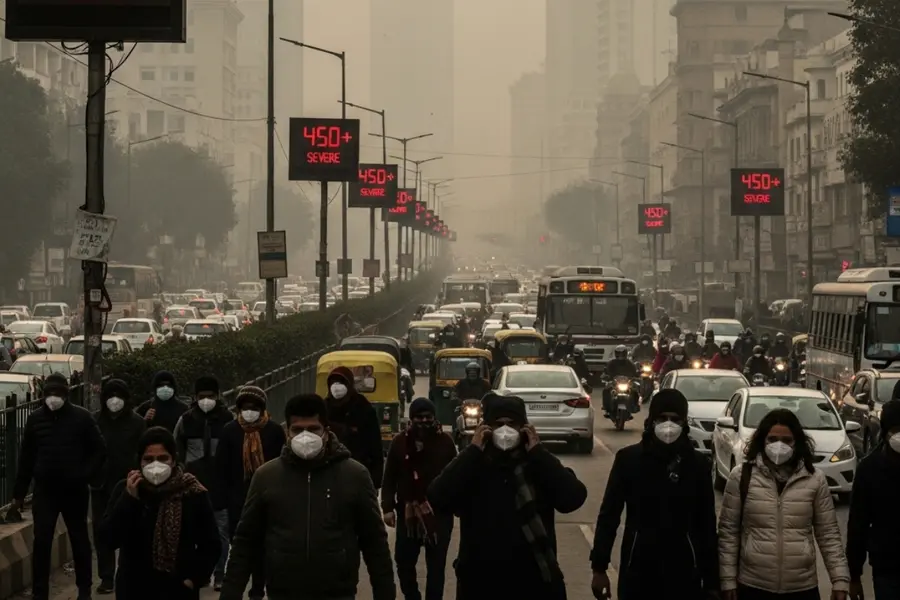
National Pollution Control Day 2025 comes at a time when India is witnessing some of its worst pollution levels in recent years, with multiple cities repeatedly recording AQI readings in the ‘severe’ and ‘hazardous’ categories through late 2024 and 2025.
New assessments from the WHO and the Lancet Countdown show that India remains among the countries with the highest exposure to PM2.5, contributing to rising cases of asthma, COPD, heart disease, stroke and early mortality.
Also Read

The persistent smog episodes in Delhi-NCR, industrial emissions across major corridors, and growing water and soil contamination have intensified concerns about long-term health damage, environmental degradation and widening inequalities. Against this backdrop, the observance of National Pollution Control Day underscores the urgent need for stronger environmental regulation, improved urban planning, and sustained public participation to mitigate the deepening pollution emergency.
Why National Pollution Control Day Is Observed
National Pollution Control Day is marked every year on 2 December to commemorate the Bhopal gas tragedy of 1984, one of the world’s worst industrial disasters. The observance highlights India’s ongoing struggle with severe pollution and the urgent need for stronger environmental regulation.
The Bhopal Gas Tragedy: What Happened in 1984
On the night of 2–3 December 1984, a deadly leak of methyl isocyanate (MIC) from the Union Carbide pesticide plant exposed over 500,000 people to toxic gas.
Thousands died within hours, and long-term effects—respiratory disorders, neurological damage, birth defects and chronic organ impairment—continue to impact survivors even four decades later.
Latest Air Pollution Data: India Among Worst Hit Globally
Recent findings from WHO (2024) and the Lancet Countdown (2024–25) show:
- Air pollution contributes to over 8 million premature deaths worldwide annually.
- India remains one of the most polluted countries, with PM2.5 levels nearly 8–10 times higher than WHO’s recommended limit.
- In 2024 and 2025, cities like Delhi, Mumbai, Kolkata, Lucknow and Gurgaon repeatedly recorded ‘severe’ AQI readings above 400–450, especially during winter months.
- The Central Pollution Control Board (CPCB) flagged Delhi’s average PM2.5 concentration in early winter 2025 at over 7 times higher than safe levels.
- Studies link poor air quality in India to increased cases of asthma, COPD, lung cancer, heart disease, stroke and pregnancy complications.
Pollution Beyond Air: Water and Soil Contamination Rising
- Untreated sewage, industrial waste and agricultural runoff continue to contaminate rivers including the Yamuna, Ganga and Sabarmati.
- Soil pollution from heavy metals and chemical fertilisers threatens crop safety and food quality.
- According to the NITI Aayog 2024 report, India remains among the world’s most water-stressed countries, increasing vulnerability to pollution-linked diseases.
Health Impact: From Lungs to Brain
Doctors and public health agencies warn that pollution is now linked not only to breathing difficulties but also:
- Cognitive decline and memory issues
- Higher rates of depression and anxiety
- Premature birth and low birth weight
- Increased risk of heart attacks and strokes
- Worsening symptoms in children and older adults
2025 Theme: Awareness, Sustainable Living and Pollution Prevention
This year’s observance emphasises:
- Stricter enforcement of environmental laws
- Rapid shift to renewable energy
- Improved public transport and reduced vehicle emissions
- Better waste segregation and elimination of open burning
- Community-led efforts such as clean-up drives, afforestation and recycling initiatives
Steps Individuals Can Take to Protect Themselves
While systemic reforms are critical, experts recommend personal precautions:
- Check AQI levels daily and avoid outdoor exertion during high pollution periods
- Use N95 masks in severe conditions
- Improve indoor air ventilation and use purifiers where possible
- Keep windows closed during peak smog hours
- Add air-purifying plants such as areca palm and snake plant indoors
- Maintain hydration to ease respiratory strain
Breathing Techniques to Support Lung Health
Though breathing exercises cannot prevent exposure, they help strengthen lungs affected by polluted air:
- Diaphragmatic breathing improves airflow efficiency
- Box breathing reduces stress and stabilises breathing under polluted conditions
- Alternate nostril breathing supports better lung capacity and relaxation
- Health experts emphasise these techniques as supplementary support, not substitutes for clean air.
Why National Pollution Control Day Remains Crucial
National Pollution Control Day underscores that protecting the environment is inseparable from safeguarding public health. Four decades after the Bhopal tragedy, India still faces rising pollution emergencies driven by urbanisation, industrial expansion and inadequate enforcement.
The 2 December observance serves as a reminder to honour victims of Bhopal and to intensify efforts toward a cleaner, safer and healthier future.
Published: 02 Dec 2025, 09:29 am IST
Disclaimer: Kindly avoid objectionable, derogatory, unlawful and lewd comments, while responding to reports. Such comments are punishable under cyber laws. Please keep away from personal attacks. The opinions expressed here are the personal opinions of readers and not that of Mathrubhumi.