
Maharashtra MSRTC offers 15% discount on advance bus ticket bookings for journeys over 150km.
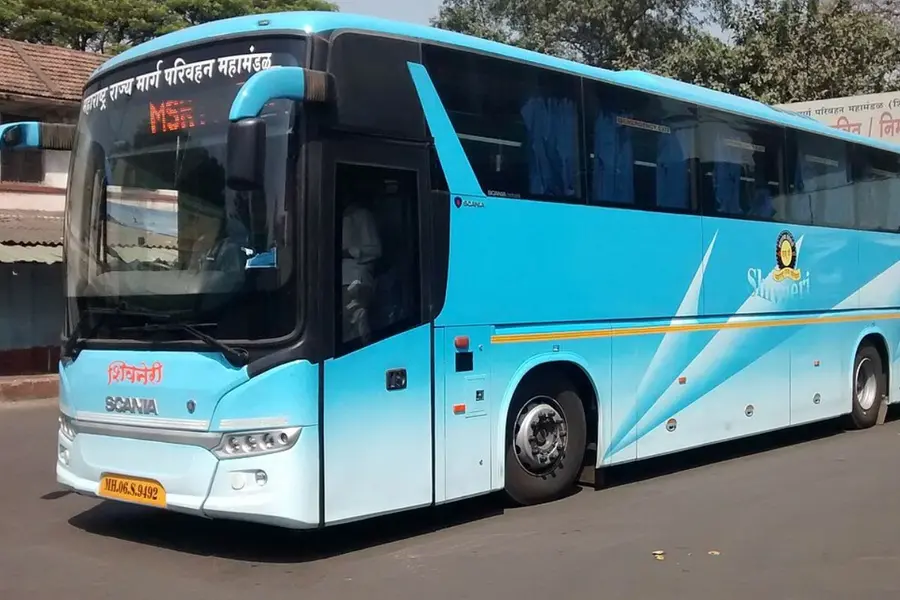
Mumbai: In a bid to encourage early bookings and make long-distance travel more cost-effective, the Maharashtra State Road Transport Corporation (MSRTC) will roll out a 15 percent discount on advance ticket reservations starting July 1. The offer applies to passengers travelling at least 150 kilometres and purchasing full-fare tickets without any other concessions.
Announced by Maharashtra Transport Minister and MSRTC Chairman Pratap Sarnaik, the year-round initiative was unveiled during the corporation’s 77th Foundation Day celebrations on June 1. The scheme aims to promote advance planning and boost ridership across both medium- and long-distance routes.
The discount will be applicable to all categories of MSRTC buses, including non-AC, AC, and the premium electric e-Shivneri services that operate on high-demand routes like Mumbai–Pune. However, the concession will not be valid during peak travel periods such as Diwali and the summer holidays.
Who is eligible?
To benefit from the 15 percent discount, passengers must:
- Book full-price tickets (no concessions)
- Reserve tickets in advance
- Travel a minimum of 150 km
Passengers availing any other discount schemes will not qualify for the additional rebate.
Where and how to book
Eligible travellers can make reservations through:
- MSRTC’s official ticket booking counters
- The official website: npublic.msrtcors.com
- The MSRTC mobile app
Festive travel advantage
Despite restrictions during peak seasons, the discount remains valid for major events like:
- Ashadhi Ekadashi (July 6): Devotees travelling to Pandharpur can use the scheme with early bookings.
- Ganesh Chaturthi (August–September): Travellers heading to Konkan can also benefit from the offer if booked in advance.
With a fleet of nearly 15,000 buses transporting close to 60 lakh passengers daily, MSRTC is widely regarded as Maharashtra’s transport backbone. The corporation, which posted losses of ₹10,324 crore in FY 2023–24, hopes this initiative will encourage advance planning while easing the financial burden for travellers.
(With inputs from PTI)
Published: 30 Jun 2025, 06:23 pm IST
Related Topics
Disclaimer: Kindly avoid objectionable, derogatory, unlawful and lewd comments, while responding to reports. Such comments are punishable under cyber laws. Please keep away from personal attacks. The opinions expressed here are the personal opinions of readers and not that of Mathrubhumi.
