
Congress MLA Phool Singh Baraiya sparks outrage with rape and caste remarks in Madhya Pradesh
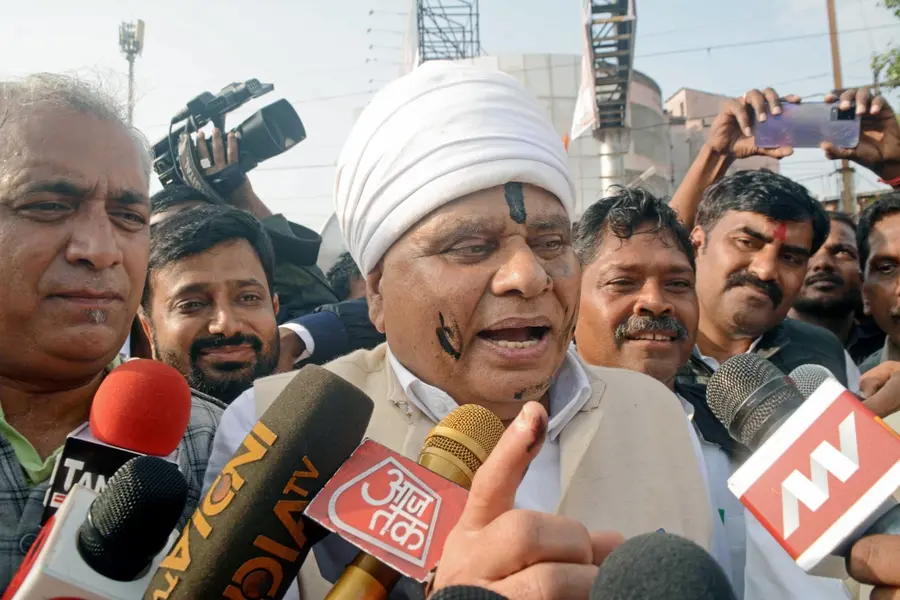
Congress MLA Phool Singh Baraiya has triggered a political storm in Madhya Pradesh after making controversial remarks that appeared to justify rape, demean women, and invoke caste and religious references, drawing sharp condemnation from the BJP and social organisations.
Madhya Pradesh Congress MLA Phool Singh Baraiya recently made statements linking certain criminal acts with caste and beauty, which have sparked controversy. In an interview with a private news portal, Baraiya suggested that “if you see a beautiful girl, your mind can get distracted the rape can happen. And which Adivasi girl is beautiful?” and made additional claims referencing certain communities and religious texts.
Baraiya cited a book he referred to as Rudrayamal Tantra, claiming that perpetrators believe sexual violence against women of certain castes could bring them spiritual merit equivalent to a pilgrimage. He said, “It is written that by having intercourse with a woman of this caste, you will get the reward of a pilgrimage. Now, if he can't go on a pilgrimage, then what is the alternative? Have intercourse at home, and you will be rewarded.”
He further claimed that some acts of sexual violence are committed by groups rather than individuals and referenced cases involving infants, asserting that these crimes stem from a “perverted mindset” fuelled by such beliefs.
Comments on Beauty and Disproportionate Victimisation
Baraiya also made remarks linking perceptions of beauty to criminal behaviour, saying, “Who are the most victims of rape in India? Scheduled Castes, Scheduled Tribes, and OBCs. The theory of rape is that if a man, regardless of his mental state, is walking down the road and sees a beautiful girl, it can distract his mind and make him rape a woman.” He added that women from these communities “are not beautiful but still get raped because it is written in their scriptures.”
Political and Social Backlash
The statements drew swift condemnation across party lines. Madhya Pradesh Congress president Jitu Patwari distanced the party from Baraiya’s remarks, stating, “No rape can be justified in any way. Anyone who commits rape is a criminal. It cannot be linked to caste or religion.”
Social organisations also reacted strongly. The All India Brahmin Society (Madhya Pradesh) condemned the remarks, calling them insulting to women and society, and demanding accountability.
BJP leaders described the comments as reflecting a “criminal and perverted mindset.” Madhya Pradesh BJP media in-charge Ashish Agarwal said, “Weighing women on the scale of 'beauty' and describing heinous crimes against Dalit and tribal women as a so-called sacred act is misogyny, anti-Dalit thinking and a direct assault on humanity.” He called on the Congress leadership to either apologise and expel Baraiya or clarify its stance on such views.
Context and Past Controversies
This controversy follows several of Baraiya’s previous remarks that drew public criticism. In January 2026, he referred to SC-ST MLAs as being in a “dog-like condition” under the joint electoral system. He also opposed tribal identity within Hinduism and in earlier years made remarks on caste politics and administrative authorities that were widely condemned.
Broader Implications
India continues to face challenges with caste-based discrimination and gender-based violence. Comments by public representatives on these sensitive issues are closely scrutinised for their social impact. Baraiya’s statements have intensified public debate on the responsibilities of elected officials in addressing crimes against women and minority communities, and the potential misinterpretation of religious texts.
What has been the political response?
The statements have triggered reactions across political lines. BJP leaders in Madhya Pradesh condemned the comments, calling for clarification and questioning the position of the Congress party on women’s safety and caste issues. Congress leaders have yet to issue an official response regarding Baraiya’s remarks.
How have social and religious organizations reacted?
The All India Brahmin Society of Madhya Pradesh issued a statement condemning the remarks, calling for sensitivity in public discourse regarding caste and religion. Various civil society organizations have stressed the importance of careful language when discussing sensitive topics related to women and minority communities.
Published: 17 Jan 2026, 11:43 am IST
Disclaimer: Kindly avoid objectionable, derogatory, unlawful and lewd comments, while responding to reports. Such comments are punishable under cyber laws. Please keep away from personal attacks. The opinions expressed here are the personal opinions of readers and not that of Mathrubhumi.
