
Maharashtra CEO S Chockalingam has sought changes to ECINet, saying EROs need greater discretion over hearings, documents and disposal of SIR cases.
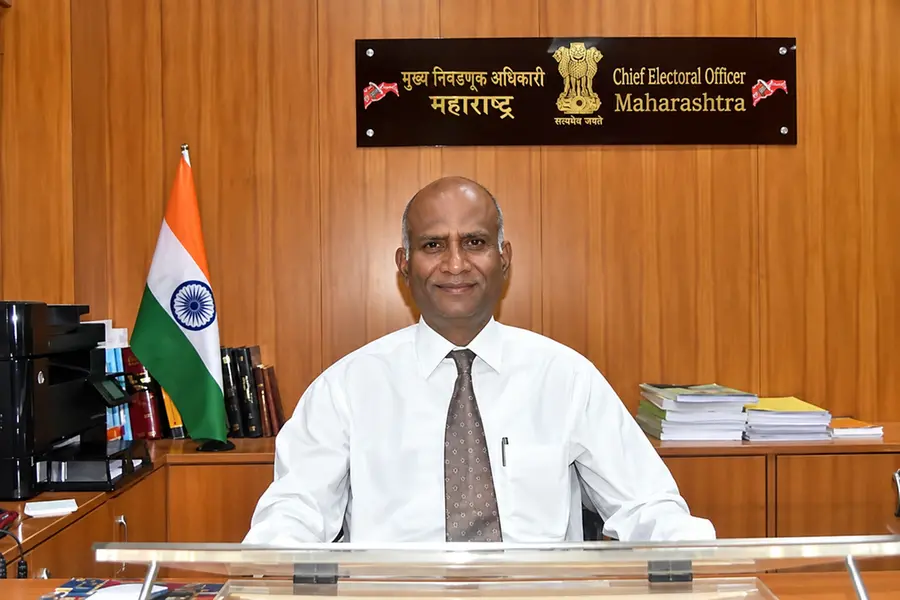
Maharashtra Chief Electoral Officer S Chockalingam has asked the Election Commission of India to give Electoral Registration Officers greater discretion while processing cases flagged during the ongoing Special Intensive Revision of electoral rolls.
He has argued that the centrally controlled ECINet system does not currently provide officials with enough flexibility to exercise powers available to them under election rules.
According to a report by The Indian Express, Chockalingam wrote to senior ECI officials on September 24, seeking changes in the software and procedures governing cases involving unmapped electors and those flagged for ‘logical discrepancies’.
His intervention comes amid wider questions over the extent to which the centralised ECINet platform allows state-level electoral officials to exercise their statutory responsibilities.
The Maharashtra CEO's requests cover four key aspects of the SIR notice process.
CEO seeks discretion over personal hearings
One of the principal requests concerns personal hearings for voters who receive notices over discrepancies in their electoral records.
Chockalingam pointed out that Rule 20(3) of the Registration of Electors Rules, 1960 gives the ERO discretion to decide whether a person needs to appear personally during an inquiry.
However, he said the ECINet interface did not provide an appropriate option for EROs to exercise this discretion in cases where voters had already submitted satisfactory documents.
He proposed an ‘Exempted from Hearing’ option in the ERO/AERO login.
Such a facility, he said, could help avoid unnecessary hearings for senior citizens, persons with disabilities and other vulnerable electors.
The request has since acquired greater significance after the ECI announced on September 26 that Booth Level Officers (BLO) would visit the homes of voters who receive SIR notices, collect relevant documents and upload them to ECINet.
The ERO would then take the decision, with personal hearings to be held only in exceptional circumstances and preferably online.
Push for wider range of documents
Chockalingam also sought greater flexibility over the documents that can be considered in SIR cases.
The ECI has prescribed a list of documents that voters can use to establish eligibility or resolve discrepancies.
The Maharashtra CEO argued that the list should not prevent an ERO from considering another equivalent document when circumstances warrant it.
He therefore proposed an ‘Other/Other Equivalent Document’ option on ECINet.
The concern is particularly relevant for sections of the population that may not possess documents from the prescribed list.
The request cited the difficulties that could arise for communities including tribal populations, homeless persons and sex workers.
A system that permits only pre-defined document categories, the request effectively argues, could restrict an ERO's ability to consider evidence on its merits.
EROs seek more control over discrepancy cases
The third issue relates directly to the disposal of cases involving ‘logical discrepancies’.
Chockalingam sought the ability for EROs to decide whether a case can be disposed of at their own level after examining the evidence. Under the process flagged by the Maharashtra CEO, certain cases could require escalation even when the ERO was satisfied with the documents and other material available.
The demand is significant because EROs are the statutory authorities responsible for taking decisions concerning electoral registration.
The concern raised by Maharashtra is whether the software's available options accurately reflect the discretion provided to these officers under the legal framework.
The controversy around this question follows reports that Election Commissioners Sukhbir Singh Sandhu and Vivek Joshi had previously raised concerns about centralised control over electoral-roll software and the extent to which it could affect the functioning of officials at different levels.
Maharashtra CEO asks for written instructions
Chockalingam's fourth major concern was procedural clarity.
He asked the ECI for written FAQs explaining the process covering notices, submission of documents, hearings and disposal of cases. He specifically maintained that oral instructions from the ECI or the CEO were not sufficient for officials handling the exercise.
The demand for written guidance comes as electoral officials deal with a large number of cases generated during the SIR process and attempt to apply the same standards across districts.
The issue has also become part of the wider debate over ECINet, which was launched in January as the Election Commission's central technology platform, bringing together more than 40 applications and portals used in election-related work.
ECI orders ECINet review
Two days after Chockalingam's communication, the ECI announced several changes to the SIR process following a full Commission meeting on September 26.
- The poll panel ordered a review of ECINet to check whether the system complies with the relevant laws and rules. The review committee will be headed by a Senior Deputy Election Commissioner and will include an independent expert from an IIT or IIIT.
- The ECI also said any additional flexibility required by field officers would be made operational.
The Commission simultaneously altered the procedure for voters who receive notices over unmapped status or logical discrepancies. Instead of routinely requiring such voters to appear before an ERO or AERO, BLOs will collect documents from their homes and upload them to ECINet. The ERO will then take the decision.
The ECI has also extended Maharashtra's claims and objections period to October 12, while the deadline for disposal of notices, claims and objections has been extended to November 10.
The developments place Chockalingam's September 24 communication in the context of a broader effort by the poll panel to modify the SIR process and review the technology supporting it. While the ECI has already addressed some of the concerns around hearings and field-level flexibility, the extent to which all the Maharashtra CEO's requested changes will be incorporated into ECINet remains a separate question.
Published: 29 Sept 2026, 12:34 pm IST
ABOUT THE AUTHOR

Related Topics
Disclaimer: Kindly avoid objectionable, derogatory, unlawful and lewd comments, while responding to reports. Such comments are punishable under cyber laws. Please keep away from personal attacks. The opinions expressed here are the personal opinions of readers and not that of Mathrubhumi.